Gluten-Free Donuts
Rate this recipeBe the first to rate
 By AprilPublished
 Donuts are the ultimate indulgence. The warm, fluffy texture, the sweet glaze, and the satisfying crunch as you take that first bite - it's pure bliss.
 By AprilPublished
 Donuts are the ultimate indulgence. The warm, fluffy texture, the sweet glaze, and the satisfying crunch as you take that first bite - it's pure bliss.
Preheat oil in a deep fryer or large saucepan to 300 degrees F (150 degrees C).
In a bowl, use a hand blender to mix coconut milk, all-purpose flour, egg, almond flour, coconut flour, honey, and guar gum until the batter becomes thick like pancake batter.
Drop rounded spoonfuls of batter into the hot oil, working in batches. Fry until the donuts turn dark brown, which usually takes 3 to 5 minutes. Use a slotted spoon to remove the donuts from the oil.
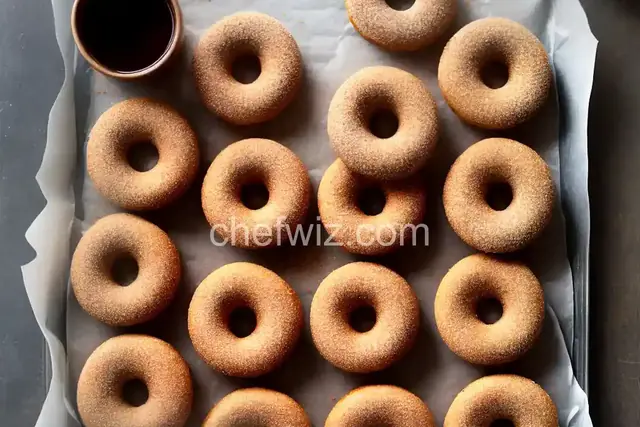
Pour confectioners' sugar into a shallow bowl. Roll the donuts in the sugar until they are fully coated.
If desired, any nut flour can be used instead of almond flour.
For vegan donuts, substitute agave nectar for honey.
Before making the remaining donuts, always prepare one test donut to check for cooking time and texture.
If preferred, you can use cinnamon-sugar instead of confectioners' sugar.
The amount of oil required for frying varies depending on cooking time, temperature, ingredient density, and the specific type of oil used. We have calculated the nutritional value of the oil based on a retention value of 10% after cooking.
Donuts are the ultimate indulgence. The warm, fluffy texture, the sweet glaze, and the satisfying crunch as you take that first bite - it's pure bliss. But what if you have dietary restrictions, such as a gluten intolerance? Does that mean you have to say goodbye to these delectable delights? Not anymore!
With the rise in popularity of gluten-free diets, more and more people are seeking alternatives to their favorite foods. And donuts are no exception. Thanks to innovative bakers and food scientists, gluten-free donuts are now a reality.
But what exactly does it mean for a donut to be gluten-free? Well, it means that the donut is made without any ingredients that contain gluten, such as wheat, barley, or rye. Instead, alternative flours like almond flour, rice flour, or coconut flour are used to create a dough that is just as delicious and satisfying as its gluten-filled counterpart.
One of the biggest challenges in creating gluten-free donuts is achieving that perfect texture. Gluten, a protein found in wheat, is what gives traditional donuts their light and airy texture. Without gluten, it can be a bit tricky to replicate that same texture.
But fear not, because bakers have found clever ways to overcome this challenge. They use a combination of alternative flours, such as tapioca or potato starch, to add structure and mimic the elasticity of gluten. The result? Gluten-free donuts that are just as fluffy and satisfying as their gluten-filled counterparts.
Gluten-free donuts come in a wide variety of flavors to suit every palate. From classic glazed donuts to decadent chocolate or fruity flavors, there's a gluten-free donut for everyone. And just like traditional donuts, gluten-free versions can be filled, topped with sprinkles, or even turned into mouthwatering fritters.
Whether you prefer a simple cinnamon sugar coating or a rich cream filling, there's a gluten-free donut out there that will satisfy your cravings. And with the right combination of flavors and textures, you won't even miss the gluten.
Gluten-free donuts are a delicious twist on a classic treat. With the right combination of alternative flours and flavors, you can enjoy all the indulgence of a donut without the gluten. Whether you choose to make them at home or find them at a bakery or coffee shop, gluten-free donuts are a delightful option for those with dietary restrictions. So go ahead, treat yourself to a gluten-free donut and savor every bite!
While gluten-free donuts are a great option for those with gluten intolerance or celiac disease, they are not necessarily healthier than regular donuts. They can still be high in calories, sugar, and fat. It's all about moderation and enjoying them as an occasional treat.
Absolutely! There are plenty of gluten-free donut recipes available online. Experiment with different flours and flavors to find your perfect gluten-free donut recipe.
Yes, many bakeries now offer gluten-free options, including donuts. Just make sure to check with the bakery beforehand to ensure they have gluten-free options available.
Gluten-free donuts can taste just as delicious as regular donuts. The texture may be slightly different, but with the right recipe and ingredients, you won't even notice the difference.
For those with gluten intolerance or celiac disease, the main benefit of gluten-free donuts is being able to enjoy a treat without experiencing any negative health effects. Additionally, some people find that cutting back on gluten can help reduce bloating and improve digestion.
Absolutely! Just like regular donuts, gluten-free donuts can be frozen for later enjoyment. Simply place them in an airtight container or bag and freeze. When you're ready to enjoy them, let them thaw at room temperature or pop them in the microwave for a quick warm-up.
Some toppings or fillings may contain gluten, so it's important to check the ingredients. For example, cookie crumbles or certain types of sprinkles may contain gluten. Stick to gluten-free options to ensure your donut remains truly gluten-free.
Many coffee shops now offer gluten-free options, including donuts. Just like with bakeries, it's always a good idea to check with the coffee shop beforehand to see if they have gluten-free donuts available.
AprilCook, recipe developer and the heart of Chefwiz. More about April