Gluten Free Danish
Rate this recipeBe the first to rate
 By AprilPublished
 Who doesn't love a flaky, buttery Danish pastry? They are the perfect accompaniment to a morning cup of coffee or a delightful treat to satisfy your sweet tooth.
 By AprilPublished
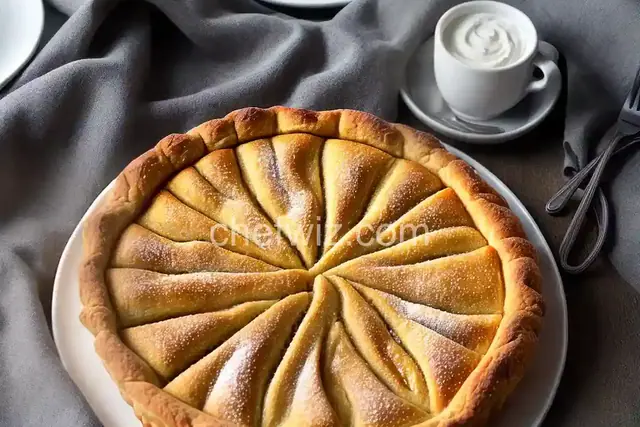
 Who doesn't love a flaky, buttery Danish pastry? They are the perfect accompaniment to a morning cup of coffee or a delightful treat to satisfy your sweet tooth.
Preheat the oven to 400 degrees F (200 degrees C) and prepare a baking sheet by lining it with parchment paper.
In a mixing bowl, combine the pancake mix, butter, and sugar. Mix until the mixture becomes crumbly.
Stir in 2/3 cup of milk and 1/2 teaspoon of almond extract, mixing until everything is well combined. The dough will have a sticky consistency.
Use rounded tablespoons of dough and drop them onto the prepared baking sheet, making sure to leave about 2 inches of space between each dough ball.
With the back of a teaspoon, create a shallow indentation in the center of each dough ball.
Fill the centers with a teaspoon of jam.
Place the baking sheet in the preheated oven and bake for 10 to 12 minutes, or until the pastries are lightly browned.
Allow the pastries to cool once they are done baking.
In another mixing bowl, combine the confectioners' sugar, 3 tablespoons of milk, vanilla extract, and 1/4 teaspoon of almond extract. Mix until the glaze becomes smooth.
Drizzle the glaze over the Danish pastries.
Who doesn't love a flaky, buttery Danish pastry? They are the perfect accompaniment to a morning cup of coffee or a delightful treat to satisfy your sweet tooth. But what if you have a gluten intolerance or are following a gluten-free diet? Does that mean you have to miss out on this delectable delight? Not anymore! In this article, we will explore the world of gluten-free Danish pastries and how you can indulge in this classic treat without worrying about gluten.
In recent years, the demand for gluten-free products has skyrocketed. More and more people are discovering that they have a sensitivity to gluten or have been diagnosed with celiac disease. As a result, bakeries and food companies have been working tirelessly to create gluten-free alternatives to our favorite baked goods. Danish pastries are no exception.
Gluten-free Danish pastries are made using alternative flours, such as almond flour, rice flour, or a blend of gluten-free flours. These flours can produce a similar texture and taste to traditional Danish pastries, making them an excellent option for those who need to avoid gluten.
Creating a gluten-free Danish pastry requires a delicate balance of ingredients and techniques. The goal is to achieve that perfect flaky, buttery crust that is characteristic of a Danish pastry, all without the use of gluten.
One of the challenges of gluten-free baking is achieving the right texture. Gluten, which is a protein found in wheat, gives baked goods their structure and elasticity. Without gluten, it can be tricky to create a pastry that holds its shape and has a pleasant mouthfeel.
However, with the right combination of gluten-free flours, such as a mix of almond flour, tapioca flour, and potato starch, it is possible to achieve a similar texture to traditional Danish pastries. The key is to experiment with different flour blends and ratios to find the perfect combination that works for you.
Baking gluten-free Danish pastries can be a rewarding experience, but it does require some know-how. Here are a few tips to help you get started:
Gluten-free Danish pastries are a delightful twist on a classic treat. With the right ingredients and techniques, you can enjoy the flaky, buttery goodness of Danish pastries without worrying about gluten. Whether you choose to bake them yourself or find them at a local bakery, gluten-free Danish pastries are sure to satisfy your cravings. So go ahead, indulge in a gluten-free Danish and savor every bite!
Yes, you can! However, keep in mind that gluten-free flours have different properties than regular flour, so you may need to adjust the recipe accordingly. It's best to start with a recipe specifically designed for gluten-free baking.
To achieve a flaky texture, make sure to use a blend of gluten-free flours that mimic the properties of wheat flour. Additionally, chilling the dough before rolling it out will help create those desirable flaky layers.
Absolutely! Gluten-free Danish pastries can be frozen just like their gluten-containing counterparts. Simply wrap them tightly in plastic wrap or place them in an airtight container before freezing. When you're ready to enjoy them, let them thaw at room temperature and warm them up in the oven for a few minutes.
Yes, many bakeries now offer gluten-free options, including Danish pastries. However, availability may vary depending on your location. It's always a good idea to call ahead or check their website to see if they have gluten-free options available.
Yes, you can use store-bought gluten-free pastry dough as a convenient option. However, homemade dough allows for more customization and control over the ingredients.
There are endless possibilities when it comes to gluten-free fillings for Danish pastries. Some popular options include fruit compotes, chocolate, almond paste, and cream cheese fillings. Get creative and experiment with different flavors!
Absolutely! There are many gluten-free and vegan substitutes available for ingredients like butter and eggs. Look for plant-based alternatives at your local grocery store or explore vegan baking blogs for inspiration.
You can find gluten-free Danish pastry recipes in cookbooks, food blogs, and online recipe databases. There are plenty of resources available to help you create your own gluten-free Danish pastries.
AprilCook, recipe developer and the heart of Chefwiz. More about April