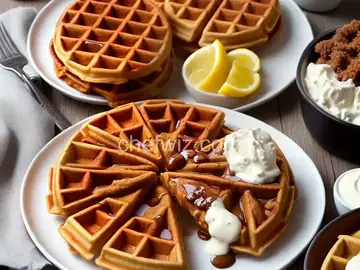
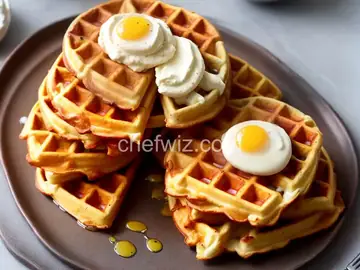
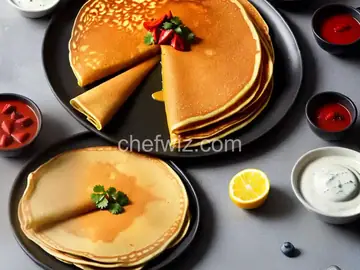
Gluten-Free Buttermilk Pancakes
Rate this recipeBe the first to rate
 By AprilPublished
 Are you looking for a delicious and healthy breakfast option?
 By AprilPublished
 Are you looking for a delicious and healthy breakfast option?
In a bowl, combine brown rice flour, all-purpose flour, buckwheat flour, sugar, baking powder, and baking soda. Use a whisk to mix these dry ingredients together.
In a separate bowl, mix together 3/4 cup of buttermilk, egg yolks, and oil until they are well combined.
Add the dry ingredients to the buttermilk mixture and stir until just combined. Be careful not to overmix the batter.
In a glass, metal, or ceramic bowl, beat the egg whites until soft peaks form.
Gently fold the beaten egg whites into the batter. The batter should have a consistency similar to tomato soup. If it is too thick, gradually add the remaining buttermilk, giving the batter time to set before adding more. Gluten-free flours may take about 45 seconds to 1 minute to thicken after absorbing the liquid.
Heat a lightly oiled griddle over medium heat.
Drop 1/4 cup portions of batter onto the griddle.
Cook the pancakes until bubbles form on the surface and the tops are slightly dry, which usually takes about 3 to 4 minutes.
Flip the pancakes and cook them until the other side is browned, around 2 to 3 minutes.
Repeat the process with the remaining batter.
Serve the pancakes hot or allow them to cool completely before freezing.
If desired,
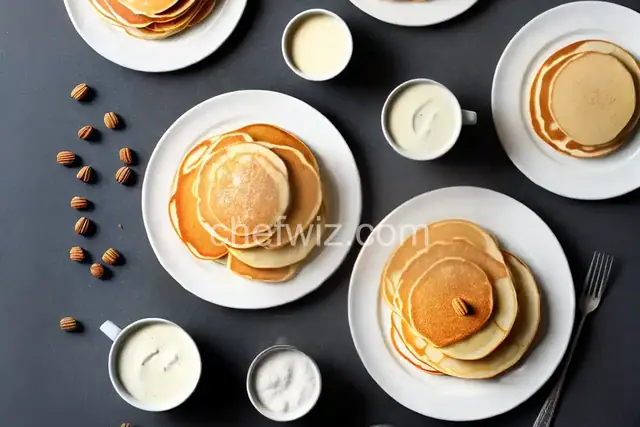
Are you looking for a delicious and healthy breakfast option? Look no further than gluten-free buttermilk pancakes! These fluffy and flavorful pancakes are perfect for those with gluten sensitivities or dietary restrictions. In this article, we will explore the world of gluten-free pancakes and discover why they are a great addition to your morning routine. Let's dive in!
Gluten-free pancakes are a fantastic alternative for individuals who have celiac disease or gluten intolerances. By using alternative flours such as almond flour, oat flour, or coconut flour, you can enjoy a stack of pancakes without worrying about any adverse reactions. These flours are not only gluten-free but also offer additional nutritional benefits, such as higher fiber content and essential vitamins and minerals.
Buttermilk is the key to achieving light and fluffy pancakes. Its acidic properties react with the leavening agents, such as baking powder or baking soda, resulting in a tender texture. Not only does buttermilk enhance the taste and texture of the pancakes, but it also adds a tangy flavor that complements the sweetness of the batter. So, don't forget to include buttermilk in your gluten-free pancake recipe!
Gluten-free pancakes don't have to be bland or boring. You can add various ingredients to elevate the flavor profile and create a delightful breakfast experience. Consider incorporating ingredients like fresh berries, chocolate chips, or even a hint of cinnamon or vanilla extract. These additions will not only add a burst of flavor but also make your pancakes visually appealing.
Experiment with different gluten-free flours to find the one that suits your taste preferences and dietary needs. Each flour has a unique texture and flavor, so don't be afraid to try different combinations or pre-made gluten-free flour blends.
Allowing the pancake batter to rest for a few minutes before cooking will give the ingredients a chance to fully hydrate. This step helps the pancakes achieve a better texture and allows the flavors to meld together.
Gluten-free flours absorb liquids differently than traditional wheat flour. If your batter appears too thick or too thin, adjust the consistency by adding more liquid or flour until you reach the desired thickness.
To prevent your pancakes from sticking, use a non-stick pan or griddle. This will ensure easy flipping and a perfect golden brown finish.
Unlike traditional pancakes, gluten-free pancakes may require a slightly lower cooking temperature. Cooking them over medium heat allows the pancakes to cook evenly without burning the exterior.
Gluten-free buttermilk pancakes are a delicious and nutritious option for breakfast. They offer all the goodness of traditional pancakes without the gluten. By following these tips and incorporating your favorite flavors, you can create a stack of pancakes that will satisfy your cravings and keep you energized throughout the day. So, why not give gluten-free pancakes a try and add some variety to your breakfast routine?
Yes, you can freeze gluten-free pancakes. Simply let them cool completely, stack them with parchment paper in between, and place them in a freezer-safe bag. When you're ready to enjoy them, pop them in the toaster or microwave for a quick and easy breakfast.
Not at all! With the right ingredients and techniques, gluten-free pancakes can be just as easy to make as regular pancakes. The key is to find the right flour blend and follow the tips mentioned in this article.
Yes, you can substitute buttermilk with a non-dairy alternative like almond milk or coconut milk combined with lemon juice or vinegar. This will provide a similar acidic reaction and result in fluffy pancakes.
Gluten-free pancakes can be a healthier option depending on the ingredients used. By choosing whole grain flours and adding nutrient-rich toppings, you can boost the nutritional value of your pancakes.
Absolutely! Gluten-free pancake mixes are widely available and can be a convenient option for those short on time. Just make sure to check the label and choose a mix that fits your dietary needs.
To make your gluten-free pancakes fluffier, consider separating the egg whites and beating them until stiff peaks form. Then, gently fold the beaten egg whites into the batter just before cooking. This technique will add airiness to your pancakes.
Absolutely! Adding protein powder to your gluten-free pancake batter is a great way to increase the protein content of your breakfast. Just ensure that the protein powder you choose is gluten-free.
Leftover gluten-free pancakes can be stored in an airtight container in the refrigerator for up to 3-4 days. Reheat them in the microwave or toaster before serving.
AprilCook, recipe developer and the heart of Chefwiz. More about April