Gluten-Free Bread in a Bread Machine
Rate this recipeBe the first to rate
 By AprilPublished
 Are you a gluten-free eater who loves the warm, comforting taste of freshly baked bread?
 By AprilPublished
 Are you a gluten-free eater who loves the warm, comforting taste of freshly baked bread?
Place the water, eggs, oil, vinegar, flour, xanthan gum, salt, sugar, and yeast, in the order mentioned, into a bread machine.
Select the Basic cycle and choose either Light or Medium for the crust.
Once the cycle is complete, remove the bread from the machine.
Allow the bread to cool completely before slicing.
If your bread machine's manufacturer suggests a different order of ingredients, follow their recommendation.
Additionally, refer to the manufacturer's instructions for specific timing guidelines.
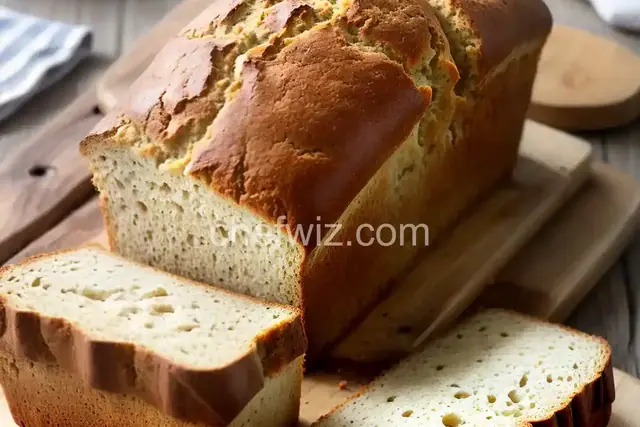
Are you a gluten-free eater who loves the warm, comforting taste of freshly baked bread? If so, you're in luck! With a bread machine, you can easily make gluten-free bread right in the comfort of your own home. No more settling for store-bought loaves that just don't hit the spot. Let's dive into the world of gluten-free bread in a bread machine and discover how you can create delicious loaves that are perfect for your dietary needs.
Using a bread machine takes the guesswork out of making gluten-free bread. It's like having your own personal baker in your kitchen! The machine does all the mixing, kneading, and rising for you, so you can sit back and relax while your bread bakes to perfection. Plus, it saves you time and effort compared to making bread by hand.
When it comes to gluten-free bread, finding the right recipe is key. Not all recipes are created equal, and some may produce loaves that are dense, dry, or crumbly. Look for recipes that have been specifically developed for bread machines and have received positive reviews. These recipes often use a combination of gluten-free flours, such as rice flour, tapioca flour, and potato starch, to achieve a light and fluffy texture.
Choosing the right ingredients is crucial for gluten-free bread success. In addition to gluten-free flours, you'll need to gather other ingredients like xanthan gum, yeast, sugar, salt, and oil. Each ingredient plays a role in the texture and taste of the final loaf. Experimenting with different combinations and ratios can help you find your perfect recipe.
Before you start baking, it's important to prepare your bread machine properly. Make sure to thoroughly clean and dry the baking pan and kneading paddle. Additionally, carefully measure each ingredient and add them to the bread machine in the order specified by the recipe. This will ensure that your bread rises properly and has a uniform texture.
Gluten-free bread often requires a longer rising and baking time compared to traditional bread. Don't be tempted to rush the process or open the bread machine too soon. Patience is key to achieving a well-risen and fully cooked loaf. Trust the machine and let it work its magic!
Just because you're making gluten-free bread doesn't mean it has to be plain and boring. Feel free to get creative with add-ins like dried fruits, nuts, seeds, or even chocolate chips. These additions can add a burst of flavor and texture to your bread, making it even more enjoyable to eat.
Once your bread is baked and cooled, it's important to store it properly to maintain its freshness. Gluten-free bread tends to stale more quickly than regular bread, so it's best to slice and freeze any leftovers. This way, you can simply take out a slice or two whenever you're craving a warm, gluten-free treat.
Now that you know the basics of making gluten-free bread in a bread machine, it's time to unleash your inner baker and start experimenting with different recipes and flavors. With a little practice and patience, you'll be able to enjoy delicious homemade bread that fits perfectly into your gluten-free lifestyle.
Creating delicious gluten-free bread in a bread machine is a game-changer for those with dietary restrictions. With the right recipe, ingredients, and techniques, you can enjoy the satisfaction of homemade bread without worrying about gluten. So go ahead, dust off that bread machine, and start baking your way to gluten-free goodness!
Unfortunately, regular bread recipes won't work for gluten-free bread in a bread machine. Gluten-free bread requires different ingredients and techniques to achieve a suitable texture.
Yes, you can use a gluten-free bread mix in a bread machine. Simply follow the instructions on the mix packaging and adjust the settings on your machine accordingly.
Dense bread can be a result of using too much or too little liquid, not enough yeast, or not allowing the bread to rise for a sufficient amount of time. Experimenting with different recipes and adjusting the ingredients and rising times can help you achieve a lighter texture.
While a bread machine makes the process easier, you can still make gluten-free bread without one. You'll need to mix and knead the dough by hand and then bake it in the oven. Keep in mind that the process may be more time-consuming and require more effort.
Yes, you can use gluten-free bread flour in place of a mix of gluten-free flours. However, keep in mind that different flours may yield slightly different textures and flavors, so it's worth experimenting with different combinations to find your favorite.
Gluten-free bread tends to stale more quickly than regular bread. If stored properly in an airtight container or bag, it can stay fresh for up to 3-4 days. Slicing and freezing any leftovers can help prolong its freshness.
Xanthan gum is often used in gluten-free bread recipes to improve the texture and elasticity. If you prefer not to use xanthan gum, you can try using other binders like psyllium husk or ground flaxseeds, although the results may vary.
Yes, you can use a bread machine with a gluten-free setting to make regular bread. The gluten-free setting simply adjusts the mixing and rising times to accommodate the specific needs of gluten-free bread. However, keep in mind that the texture and taste of the final loaf may differ.
AprilCook, recipe developer and the heart of Chefwiz. More about April