Ginkgo Nut Rice
Rate this recipeBe the first to rate
 By AprilPublished
 Are you tired of the same old plain rice? Looking for a way to add some excitement and flavor to your meals?
 By AprilPublished
 Are you tired of the same old plain rice? Looking for a way to add some excitement and flavor to your meals?
Rinse the rice and soak it in water for 30 minutes before cooking.
Wash the thinly sliced dried kombu and rehydrate it in water. Cut the kombu into bite-sized pieces. Remove the ginkgo nuts from the shell. Boil the ginkgo nuts and then remove the thin outer skin.
Drain the soaked rice and place it in a rice cooker. Add the ? ingredients and water up to the specified level for 2 rice cooker cups. Gently mix.
Add the thinly sliced kombu and ginkgo nuts to the rice mixture from Step 3.
Cook the rice mixture.
The dish is now ready.
This dish is perfect for bentos.
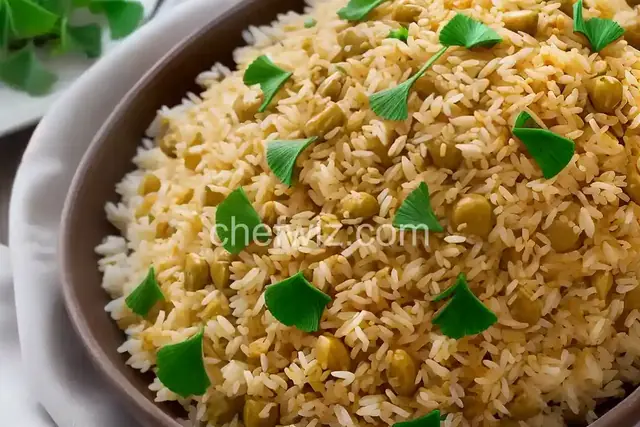
Are you tired of the same old plain rice? Looking for a way to add some excitement and flavor to your meals? Look no further than ginkgo nut rice! This delightful dish combines the nutty goodness of ginkgo nuts with fluffy rice, creating a truly unique and delicious experience for your taste buds. Let's dive into the world of ginkgo nut rice and discover how it can elevate your dining experience.
Ginkgo nuts are not your typical nuts. They come from the ginkgo biloba tree, which is native to China and has been used in traditional medicine for centuries. These nuts have a distinct flavor and aroma that adds a delightful nuttiness to any dish. When cooked, ginkgo nuts become tender and have a slightly creamy texture, making them the perfect addition to rice.
But ginkgo nuts are not just delicious; they are also packed with nutrients. They are a good source of protein, fiber, and healthy fats. They also contain antioxidants that help protect your cells from damage. So not only will you be adding flavor to your rice, but you'll also be boosting its nutritional value!
Preparing ginkgo nut rice is a breeze. Start by soaking the ginkgo nuts in water for a few hours to remove their outer skin. This step is essential as the skin can be bitter and unpleasant to eat. Once the nuts are soaked, gently remove the skin by rubbing them between your fingers.
Next, rinse the nuts thoroughly to ensure they are clean. Now, it's time to cook the rice. You can use any type of rice you prefer, but jasmine rice or short-grain rice work particularly well with ginkgo nuts. Follow the instructions on the rice package to cook it to perfection.
Once the rice is cooked, add the peeled and cleaned ginkgo nuts to the rice and gently mix them together. Be careful not to mash the nuts as you want to preserve their texture and shape. Allow the ginkgo nut rice to sit for a few minutes to allow the flavors to meld together.
Ginkgo nut rice can be enjoyed in various ways. It makes a fantastic side dish to accompany a wide range of main courses. The nutty flavor of the ginkgo nuts pairs well with both meat and vegetable dishes. You can also add some cooked vegetables or diced tofu to the rice to make it a complete meal on its own.
If you're feeling adventurous, you can even use ginkgo nut rice as a stuffing for vegetables or as a base for a flavorful stir-fry. The possibilities are endless, and you can let your creativity run wild in the kitchen.
Ginkgo nut rice is a delightful twist to your regular rice dish. By adding the nutty goodness of ginkgo nuts to your rice, you can elevate your meals to a whole new level. Not only does ginkgo nut rice taste amazing, but it also provides you with a range of health benefits. So why settle for plain rice when you can enjoy the unique flavors and textures of ginkgo nut rice? Give it a try and savor the deliciousness!
Yes, you can use frozen ginkgo nuts for ginkgo nut rice. Just make sure to thaw them before using and follow the same preparation steps as you would with fresh ginkgo nuts.
Ginkgo nuts have a distinct flavor that is difficult to replicate with other nuts. However, if you can't find ginkgo nuts, you can try using chestnuts or walnuts as a substitute.
Yes, ginkgo nut rice is suitable for both vegetarians and vegans as it is made with plant-based ingredients.
Yes, you can store leftover ginkgo nut rice in an airtight container in the refrigerator for up to three days. Reheat it in the microwave or on the stovetop before consuming.
Ginkgo nuts are generally safe to eat for most people. However, if you have a specific medical condition or are taking certain medications, it is best to consult with your healthcare provider before consuming ginkgo nuts.
Absolutely! You can experiment with adding spices or herbs to ginkgo nut rice to enhance its flavor. Some popular choices include garlic, ginger, and green onions.
Ginkgo nut rice has a distinct nutty flavor, but it is not overpowering. The flavor is subtle and complements the rice perfectly.
Yes, you can make ginkgo nut rice in a rice cooker. Simply follow the manufacturer's instructions for cooking rice and add the peeled and cleaned ginkgo nuts along with the rice.
AprilCook, recipe developer and the heart of Chefwiz. More about April