Ghormeh Sabzi
Rate this recipeBe the first to rate
 By AprilPublished
 When it comes to Persian cuisine, one dish that stands out for its rich flavors and cultural significance is Ghormeh Sabzi.
 By AprilPublished
 When it comes to Persian cuisine, one dish that stands out for its rich flavors and cultural significance is Ghormeh Sabzi.
Season the lamb with salt and let it sit for 20 minutes.
Pat the meat dry.
Heat 3 tablespoons of oil in a large heavy pot over medium-high heat.
Cook the meat in batches, turning every 2 minutes, until it is browned all over (about 10-15 minutes per batch).
Use a slotted spoon to transfer the meat to a plate.
Add the onions to the pot and cook, stirring often, until they are golden brown (about 8-10 minutes).
Return the meat to the pot and add the dried beans, omani limes, and turmeric.
Cook, stirring, for about 1 minute until the turmeric is fragrant and coats everything.
Pour in 5 cups of water and bring it to a boil over medium-high heat.
Reduce the heat to medium-low, partially cover the pot, and cook, stirring occasionally, for 1 hour.
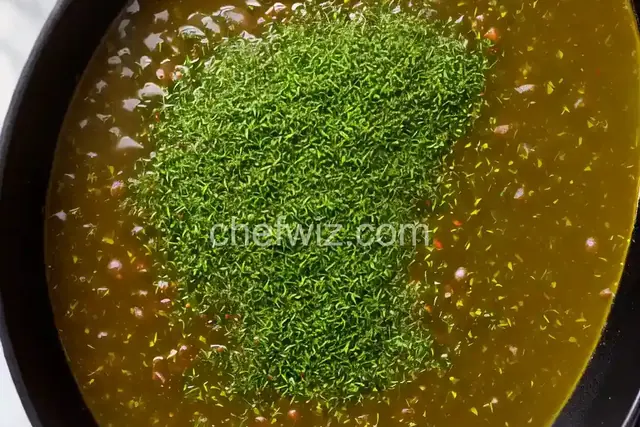
In the meantime, finely slice the stems and leaves of parsley and cilantro, working your way up through the leaves.
Finely chop the herbs until you have about 5 cups.
Heat the remaining 3 tablespoons of oil in a large skillet or another pot over medium heat.
Add the herbs and garlic chives and cook, stirring often, until they are bright green and
When it comes to Persian cuisine, one dish that stands out for its rich flavors and cultural significance is Ghormeh Sabzi. This traditional Iranian stew is a true delight for the taste buds, combining a medley of herbs, meat, and spices to create a tantalizing experience. Join me on a culinary journey as we explore the intricacies of Ghormeh Sabzi, its history, and why it has become a beloved staple in Persian households.
Ghormeh Sabzi has deep roots in Persian history, dating back centuries. The dish is said to have originated from the ancient Persian empire, where it was enjoyed by kings and commoners alike. Its name translated to "fried herbs," a testament to its essential ingredient: an aromatic blend of fresh herbs.
Legend has it that Ghormeh Sabzi was created by a wise Persian chef who sought to create a dish that would embody the essence of Persian culture. He carefully selected a variety of herbs, including parsley, coriander, fenugreek, and leek, and combined them with tender meat, usually lamb or beef, and kidney beans. The result was a dish that not only satisfied hunger but also celebrated the flavors and traditions of Iran.
One of the reasons why Ghormeh Sabzi has gained popularity around the world is its complex and harmonious flavors. The combination of the fresh herbs, slow-cooked meat, and aromatic spices creates a symphony of taste that is both comforting and exciting.
Imagine the earthy notes of coriander and fenugreek mingling with the vibrant freshness of parsley and leek. The meat, simmered for hours, becomes tender and succulent, infused with the flavors of the herbs and spices. The addition of turmeric, dried lime, and garlic adds depth and a tangy kick to the stew, taking your taste buds on a journey through Persian cuisine.
While Ghormeh Sabzi is undeniably a delicious and satisfying meal, it holds a deeper significance in Persian culture. It is often served during special occasions and celebrations, symbolizing the unity of family and community. The act of preparing and sharing Ghormeh Sabzi brings people together, reinforcing the importance of connection and tradition.
Furthermore, Ghormeh Sabzi is a testament to the resourcefulness and resilience of the Iranian people. Its ingredients, particularly the herbs, are readily available and abundant in Iran's fertile lands. This dish showcases the ability to create something extraordinary out of ordinary, everyday ingredients.
Ghormeh Sabzi is more than just a dish; it is a representation of Persian culture, tradition, and the love for food. From its humble origins to its complex flavors, this stew has captured the hearts and palates of people worldwide. Whether you're a seasoned food enthusiast or a curious beginner, Ghormeh Sabzi is a must-try culinary adventure that will transport you to the colorful streets of Iran.
The key herbs used in Ghormeh Sabzi are parsley, coriander, fenugreek, and leek. These herbs give the dish its distinctive flavor and aroma.
Yes, while lamb or beef is traditionally used, you can experiment with other meats such as chicken or even vegetarian options like mushrooms or tofu.
Ghormeh Sabzi is a labor of love that requires patience. The stew is typically slow-cooked for several hours to allow the flavors to meld together and the meat to become tender.
Yes, Ghormeh Sabzi freezes well, making it a convenient option for meal prep. Simply store it in an airtight container and thaw it when you're ready to enjoy it again.
Ghormeh Sabzi is often served with fluffy basmati rice, tahdig (crispy rice), and a side of tangy pickles. This combination completes the meal and adds texture and flavor.
While the basic recipe remains consistent, there are regional variations of Ghormeh Sabzi. Some regions may add additional ingredients or adjust the spice levels to suit their preferences.
Absolutely! You can make a vegan version of Ghormeh Sabzi by omitting the meat and using plant-based protein alternatives like tofu or tempeh. The flavors of the herbs and spices will still shine through.
You can find the ingredients for Ghormeh Sabzi at your local grocery store or specialty Middle Eastern markets. Alternatively, you can order them online to ensure you have everything you need to create this culinary masterpiece.
AprilCook, recipe developer and the heart of Chefwiz. More about April