German Spaetzle Dumplings
Rate this recipeBe the first to rate
 By AprilPublished
 Have you ever tried German cuisine? If not, you're missing out on a world of mouthwatering flavors and comforting dishes.
 By AprilPublished
 Have you ever tried German cuisine? If not, you're missing out on a world of mouthwatering flavors and comforting dishes.
Fill a large pot with water until it is halfway full and heat it until it boils. Adjust the heat so that the water is simmering.
In a medium bowl, combine flour, nutmeg, salt, and white pepper.
In a small bowl, whisk together the eggs. Add the eggs and milk alternately to the dry ingredients. Stir until the mixture becomes smooth.
Take portions of the dough and press them through a spaetzle maker, or use a large-holed colander or metal grater to press the dough into the simmering water. Cook for 5 to 8 minutes.
Use a slotted spoon or spider to remove the cooked spaetzle from the water and drain it well.
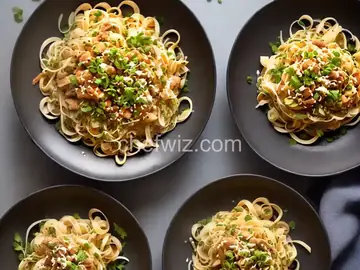
In a large skillet, melt the butter. Add the spaetzle to the skillet and gently stir it until it is heated through.
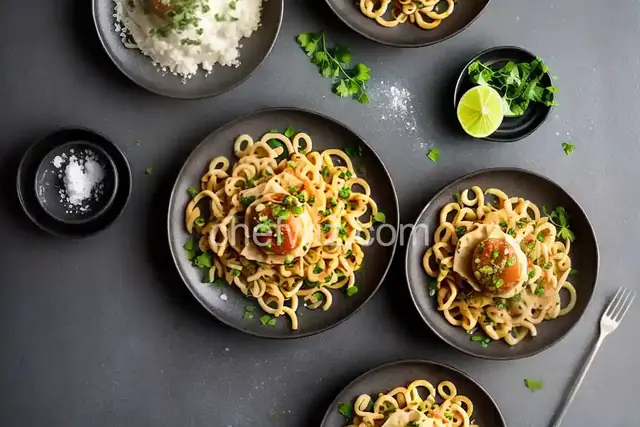
Serve the spaetzle sprinkled with parsley.
Have you ever tried German cuisine? If not, you're missing out on a world of mouthwatering flavors and comforting dishes. One such dish that will transport you to the heart of Germany is Spaetzle Dumplings. These small, soft, and pillowy dumplings are a true delight for the taste buds. In this article, we will explore the history, preparation, and versatility of German Spaetzle Dumplings.
Like many traditional dishes, the origins of Spaetzle Dumplings are shrouded in mystery. Legend has it that these delightful dumplings were first created in the Swabian region of Germany. It is said that a clever chef, inspired by the shape of the Alps, devised a recipe that mimicked the mountain peaks. Thus, Spaetzle Dumplings were born.
Making Spaetzle Dumplings is both an art and a science. The traditional recipe calls for a simple combination of flour, eggs, milk, and salt. The dough is then mixed until smooth and elastic, and then comes the fun part - shaping the dumplings. This is done by pressing the dough through a special Spaetzle maker or a colander, resulting in small, irregularly shaped dumplings that are boiled until they float to the surface.
One of the most wonderful aspects of Spaetzle Dumplings is their versatility. These little dumplings can be enjoyed in a variety of ways. They can be served as a side dish alongside hearty meat stews, such as Goulash or Sauerbraten. They can also be sautéed in butter for a deliciously crispy texture and served as a main course with a sprinkle of grated cheese. In addition, Spaetzle Dumplings can be enjoyed as a vegetarian dish by pairing them with creamy mushroom sauce or seasonal vegetables.
No, traditional Spaetzle Dumplings are made with wheat flour, which contains gluten. However, there are gluten-free alternatives available, such as using a combination of gluten-free flours or using almond flour.
Absolutely! Spaetzle Dumplings freeze well. Once cooked, let them cool completely, then transfer them to an airtight container or freezer bag. They can be stored in the freezer for up to three months. To reheat, simply boil them for a few minutes until heated through.
Yes, you can! If you don't have a Spaetzle maker, you can use a colander with large holes or even a slotted spoon. Simply place the dough onto the colander or spoon and press it through the holes into the boiling water.
While Spaetzle Dumplings and Italian gnocchi share similarities, they are not the same. Spaetzle Dumplings are made with a dough that contains eggs, while Italian gnocchi are made with potatoes. Additionally, the shaping process and resulting texture differ between the two.
Yes, there are regional variations of Spaetzle Dumplings in Germany. For example, in the Bavarian region, they are often flavored with grated cheese and served with roasted onions. In the Allgäu region, they are sometimes made with spinach, giving them a vibrant green color.
Absolutely! There are vegan alternatives to traditional Spaetzle Dumplings. Instead of eggs, you can use a combination of plant-based milk, such as almond milk, and a binding agent like aquafaba. The resulting dumplings may have a slightly different texture, but they will still be delicious.
There is no single best sauce for Spaetzle Dumplings, as it depends on personal preference. However, popular choices include creamy mushroom sauce, brown butter sauce, or a rich meat gravy.
Absolutely! Whole wheat flour can be used to make Spaetzle Dumplings. However, keep in mind that the texture and taste may differ slightly from those made with traditional all-purpose flour.
In conclusion, German Spaetzle Dumplings are a true delight for the senses. Whether you enjoy them as a side dish, a main course, or even a vegetarian option, these versatile dumplings are sure to satisfy your cravings. So, why not embark on a culinary adventure and give Spaetzle Dumplings a try? Your taste buds will thank you!
AprilCook, recipe developer and the heart of Chefwiz. More about April