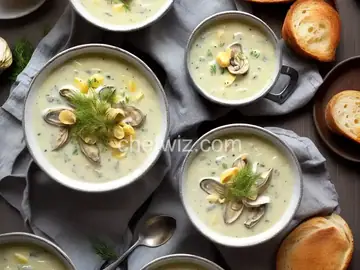
Frog Soup Recipe
Rate this recipeBe the first to rate
 By AprilPublished
 Are you ready for a culinary adventure like no other? Look no further than the exotic and delightful world of frog soup.
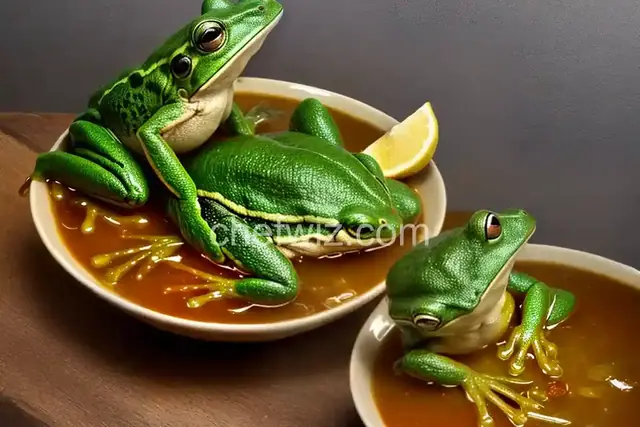 By AprilPublished
 Are you ready for a culinary adventure like no other? Look no further than the exotic and delightful world of frog soup.
Rinse the frogs thoroughly under cold running water and set them aside.
In a medium-sized soup pot or sauté pan, bring the dashi to a steady simmer.
Place the washed frogs in the pot and let them simmer for 10 minutes.
Add the miso paste to the pot and carefully blend it into the broth by pressing it against the edge of the soup pot.
Simmer for an additional 5 minutes, ensuring that the frog flesh is fully cooked but still tender.
Add the wakame to the pot and allow it to soften in the broth.
Serve the dish immediately, and garnish with green onions.
Are you ready for a culinary adventure like no other? Look no further than the exotic and delightful world of frog soup. This unique dish is not only a feast for the taste buds but also a journey into the unknown. So grab your apron and let's dive into the world of frog soup!
Like many traditional dishes, frog soup has a rich history that dates back centuries. This delicacy has been enjoyed by different cultures around the globe, each adding their own unique twist to the recipe. From the vibrant streets of Thailand to the cozy kitchens of France, frog soup has become a symbol of cultural diversity and gastronomic exploration.
One of the most fascinating aspects of frog soup is the wide range of flavors it offers. The tender and succulent meat of the frog pairs perfectly with aromatic herbs and spices, creating a symphony of taste in every spoonful. Whether you prefer a tangy and zesty broth or a rich and savory base, frog soup has something to satisfy every palate.
Cooking frog soup is not just a culinary process but an art form. It requires patience, precision, and a deep understanding of flavors. Each step, from cleaning and marinating the frog legs to simmering the broth to perfection, is crucial in creating a harmonious and delicious dish. It's like conducting an orchestra, where every ingredient plays its part to create a culinary masterpiece.
To create the perfect frog soup, it's important to choose the freshest and highest quality ingredients. Fresh herbs, aromatic vegetables, and flavorful spices are the building blocks of a memorable dish. The frog legs themselves should be tender and moist, ensuring a delightful texture in every bite. Remember, the quality of your ingredients will determine the success of your frog soup.
One of the joys of cooking frog soup is the opportunity to experiment and personalize the recipe. Just like an artist adding their unique flair to a masterpiece, you can add your own twist to this traditional dish. Feel free to play with different herbs, spices, and even presentation styles to create a frog soup that reflects your own culinary style and preferences.
Food is not just about nourishment; it's about connection and sharing. Frog soup is a dish that brings people together, igniting conversations and creating memories. Whether you're preparing it for a family gathering or hosting a dinner party, frog soup is sure to spark curiosity and delight among your guests. It's a conversation starter and a testament to your adventurous spirit.
Frog soup is a culinary adventure that takes you on a journey through cultures and flavors. From its humble origins to its ability to bring people together, this dish is a true testament to the power of food. So next time you're in the mood for something out of the ordinary, why not embark on the frog soup experience? You never know what delightful surprises await you in that steaming bowl.
Yes, frog soup is safe to eat when prepared properly. It's important to ensure that the frog legs are fresh and that the soup is cooked thoroughly to avoid any food safety issues.
While frog legs are the traditional choice for frog soup, you can experiment with other proteins like chicken or fish if you prefer. However, keep in mind that the taste and texture may differ from the authentic frog soup experience.
Frog legs are a good source of lean protein and are low in fat. They also contain essential vitamins and minerals such as potassium and vitamin A. However, it's important to consume frog soup in moderation as part of a balanced diet.
Yes, you can freeze frog soup for future consumption. Make sure to cool the soup completely before transferring it to airtight containers or freezer bags. It's best to consume the frozen soup within 2-3 months for optimal flavor.
Different cultures have their own variations of frog soup. For example, French cuisine often features frog legs in a rich garlic and butter sauce, while Thai cuisine incorporates spicy and aromatic flavors. Exploring these variations can be a delightful adventure for your taste buds.
Yes, you can modify the recipe to make a vegetarian-friendly version of frog soup. Instead of frog legs, you can use tofu or mushrooms as a protein substitute. Adjust the seasonings and flavors to suit your preferences.
Frog soup can be enjoyed on its own as a light and flavorful meal. However, you can also pair it with crusty bread or a side salad for a more substantial dining experience. The choice is yours!
Frog legs can be found in some specialty grocery stores or seafood markets. You can also check with local restaurants or online suppliers that specialize in exotic ingredients. Remember to choose fresh and responsibly sourced frog legs for the best results.
While frog soup is enjoyed in many cultures, it's important to be mindful of cultural taboos and ethical concerns. Some cultures may consider frogs as sacred or have restrictions on their consumption. Additionally, ensure that the frog legs are sourced responsibly to support sustainable practices.
Providing a unique twist to your culinary repertoire, frog soup is an adventure waiting to be explored. With its rich history, diverse flavors, and the joy of sharing, this dish is a true testament to the power of food. So go ahead, embrace your adventurous spirit, and embark on a journey into the world of frog soup!
AprilCook, recipe developer and the heart of Chefwiz. More about April