Frijoles
Rate this recipeBe the first to rate
 By AprilPublished
 Imagine a warm bowl of comfort on a cold winter's day, or a delicious side dish that perfectly complements your favorite Mexican cuisine.
 By AprilPublished
 Imagine a warm bowl of comfort on a cold winter's day, or a delicious side dish that perfectly complements your favorite Mexican cuisine.
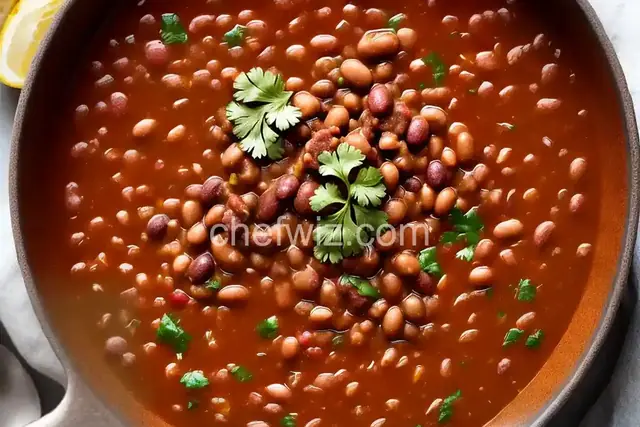
In a large pot, combine the beans, onion, cilantro, jalapeño pepper, garlic, and lard.
Add enough water to the pot to cover the ingredients by 4 to 5 inches.
Bring the mixture to a boil and then reduce the heat.
Let it cook for 2 to 3 hours, or up to 5 hours depending on the beans. Add more water if needed.
Once the beans are soft, season them with salt according to your taste.
Feel free to use black beans and different types of chile peppers for variation in this recipe.
To make refried beans, melt lard to your preference in a heavy skillet.
Take about 1/3 of the cooked bean mixture from the pot and add it to the skillet with the melted lard.
Mash and incorporate the beans with the lard, repeating this step with the remaining bean mixture in two more batches.
By the end, you will have refried beans or frijoles refritos.
Imagine a warm bowl of comfort on a cold winter's day, or a delicious side dish that perfectly complements your favorite Mexican cuisine. Enter frijoles, a staple in Latin American cooking. These flavorful legumes, commonly known as beans, have been a part of our culinary traditions for centuries.
One of the reasons why frijoles are so beloved is their versatility. They can be a main course or a side dish, and they pair well with a variety of flavors and ingredients. From hearty stews to zesty salads, frijoles can be transformed into countless delicious dishes.
Not only are frijoles delicious, but they are also packed with nutrients. They are an excellent source of plant-based protein, fiber, and various vitamins and minerals. Adding frijoles to your diet can help promote a healthy digestive system, support heart health, and contribute to overall well-being.
There are many ways to cook frijoles, depending on the type of bean and the desired texture. You can soak them overnight and then simmer them on the stovetop until tender. Alternatively, you can use a pressure cooker for a quicker cooking time.
Seasonings and spices also play a crucial role in enhancing the flavor of frijoles. From onions and garlic to cumin and chili powder, you can get creative with your seasonings to suit your taste buds.
Frijoles are a staple in many cuisines around the world. In Mexican cuisine, you'll find refried beans, which are cooked and mashed frijoles. They are often served as a side dish or used as a filling in tacos, burritos, and enchiladas.
In Brazilian cuisine, feijoada is a popular dish made with black beans, meat, and various vegetables. This hearty stew is often enjoyed with rice, farofa (toasted cassava flour), and orange slices.
And let's not forget about the famous red beans and rice in Creole cuisine. This Louisiana specialty combines kidney beans, rice, and flavorful spices to create a soul-warming dish that is loved by many.
What makes frijoles truly remarkable is their ability to bring people together. Whether it's a family gathering, a neighborhood potluck, or a festive celebration, frijoles have a way of creating a sense of community and shared enjoyment.
Just like the diverse cultures that embrace frijoles, these legumes come in various shapes and sizes. From black beans and pinto beans to chickpeas and lentils, there is a frijole for every palate.
Frijoles are more than just beans; they are an essential part of our culinary heritage. With their rich flavor, versatility, and nutritional benefits, frijoles have earned their place on our plates and in our hearts. So, the next time you sit down to enjoy a delicious bowl of frijoles, savor each bite and appreciate the cultural richness they represent.
Yes, frijoles are naturally gluten-free, making them a great option for individuals with gluten sensitivities or celiac disease.
Absolutely! Cooked frijoles can be safely stored in the freezer for future use. Just make sure to cool them completely before transferring them to a freezer-safe container.
Dried frijoles have a long shelf life if stored properly. They can last up to a year in a cool, dry place, such as a pantry or cupboard.
Soaking frijoles before cooking can help reduce cooking time and make them easier to digest. However, it's not always necessary, especially if you're using a pressure cooker.
Absolutely! Canned frijoles are a convenient alternative to dried beans. Just make sure to rinse them well before using to reduce the sodium content.
Yes, frijoles are a nutritious addition to your diet. They are high in fiber, protein, and various vitamins and minerals, which can support digestion, heart health, and overall well-being.
No, frijoles come in different varieties, each with its unique flavor and texture. From black beans to kidney beans, exploring different types of frijoles can add excitement to your culinary adventures.
While frijoles are commonly used in savory dishes, they can also be incorporated into sweet treats. Black bean brownies and chickpea cookies are just a few examples of the delightful desserts you can create with frijoles.
AprilCook, recipe developer and the heart of Chefwiz. More about April