Fresh Pasta Dough
Rate this recipeBe the first to rate
 By AprilPublished
 Are you a pasta lover? Do you want to create your own delicious and fresh pasta at home?
 By AprilPublished
 Are you a pasta lover? Do you want to create your own delicious and fresh pasta at home?
In the bowl of a stand mixer, combine the eggs, flour, oil, and salt. Use your hands to mix them together until a shaggy dough forms.
Attach the dough hook to the stand mixer and knead the dough until it becomes smooth and elastic. This should take around 10 minutes.
Cover the dough with a cloth bowl cover and let it rest for at least 30 minutes.
Cut and roll the dough as desired.
If you want to prepare the dough in advance, you can make it up to 1 day ahead. Simply tightly wrap it and refrigerate.
Are you a pasta lover? Do you want to create your own delicious and fresh pasta at home? Look no further! In this article, we will dive into the world of fresh pasta dough and explore how you can make it from scratch. Whether you're a seasoned cook or a beginner in the kitchen, making fresh pasta dough is an enjoyable and rewarding experience. So, let's roll up our sleeves and get started!
Have you ever wondered why fresh pasta tastes so much better than the dried variety? Well, the secret lies in the ingredients and the process. Fresh pasta dough is made with simple, natural ingredients like flour, eggs, and a pinch of salt. It's a blank canvas that can be shaped into various pasta shapes, from spaghetti to ravioli. The result? A tender and flavorful pasta that melts in your mouth.
Now that we understand the magic of fresh pasta, let's talk about how to make it. The process is surprisingly simple, and you don't need any fancy equipment. All you need is a mixing bowl, a fork, and a rolling pin. It's like creating a masterpiece with just a few tools!
The first step is to measure the ingredients. You'll need around 2 cups of all-purpose flour, 3 large eggs, and a pinch of salt. In a mixing bowl, combine the flour and salt. Create a well in the center and crack the eggs into it. Using a fork, whisk the eggs gently to break the yolks and gradually incorporate the flour. Keep mixing until a dough starts to form.
Once the dough starts to come together, transfer it to a lightly floured surface. Begin kneading the dough by pushing it away from you with the heel of your hand. Fold it over and repeat the process. Knead for about 8-10 minutes until the dough becomes smooth and elastic. Wrap it in plastic wrap and let it rest for at least 30 minutes. This resting period allows the dough to relax and become more pliable.
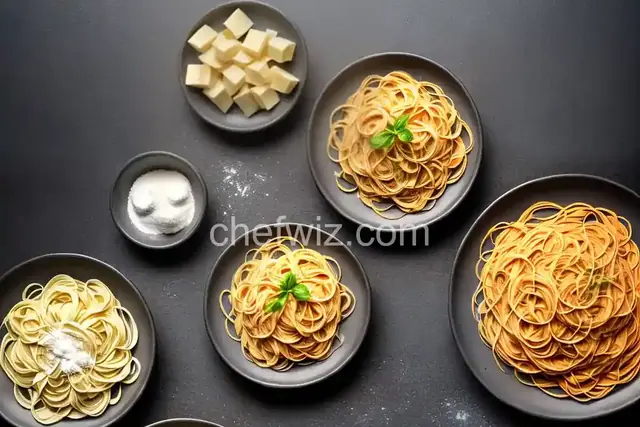
After the resting period, it's time to roll out the dough. Divide it into smaller portions to make it more manageable. Take one portion and flatten it with your hands. Dust it lightly with flour and then use a rolling pin to roll it out into your desired thickness. Cut the rolled dough into your preferred pasta shape, whether it's long strands of spaghetti or cute little ravioli squares.
Now that you've shaped your fresh pasta, it's time to cook it. Bring a large pot of salted water to a boil and carefully add your pasta. Fresh pasta cooks much quicker than dried pasta, usually within a few minutes. Taste and check for doneness, then drain the pasta and toss it with your favorite sauce. Finally, sit back, relax, and savor the taste of your homemade pasta creation!
Making fresh pasta dough is a delightful culinary adventure that allows you to unleash your creativity in the kitchen. With just a few simple ingredients and some love, you can create pasta dishes that will impress your family and friends. So, why settle for store-bought pasta when you can indulge in the freshness and flavor of homemade pasta? Give it a try and elevate your pasta game to a whole new level!
A1: Absolutely! A pasta machine is a great tool to achieve thin and consistent pasta sheets. It can save you time and effort while giving you professional results.
A2: Yes, you can freeze fresh pasta dough. After shaping the dough, place it on a baking sheet and freeze until firm. Then, transfer the frozen portions to airtight containers or bags. When you're ready to cook, simply thaw the dough and proceed as usual.
A3: Absolutely! You can substitute all or a portion of the all-purpose flour with whole wheat flour to add a nutty flavor and extra fiber to your pasta dough.
A4: Fresh pasta dough can be stored in the refrigerator for up to 2 days. Just make sure to wrap it tightly in plastic wrap to prevent it from drying out.
A5: Absolutely! You can experiment with adding herbs, spices, or even vegetable purees to your dough to create different flavors and colors. Get creative and let your taste buds guide you!
A6: Yes, you can make eggless pasta dough using alternative ingredients like water, olive oil, or vegetable purees. However, keep in mind that the texture and flavor will be different from traditional egg-based pasta.
A7: To prevent your pasta from sticking together, make sure to dust it lightly with flour after shaping. You can also lay it out on a baking sheet or hang it on a pasta drying rack to dry slightly before cooking.
A8: Absolutely! You can make the dough in advance and store it in the refrigerator or freezer until you're ready to use it. Just make sure to wrap it tightly to prevent it from drying out.
AprilCook, recipe developer and the heart of Chefwiz. More about April