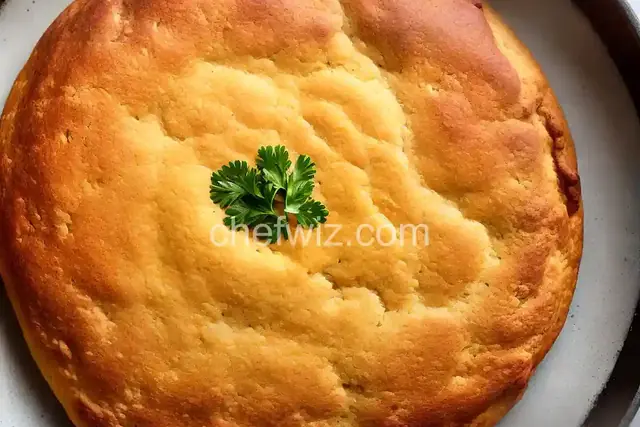
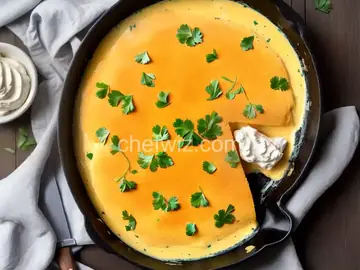
Have you ever tasted the incomparable flavor of fresh masa? It's like biting into a cloud of corn goodness, a burst of authentic Mexican taste that transports you to the bustling streets of Mexico City. In this article, we'll explore the wonders of fresh masa, its versatility in Mexican cuisine, and how you can use it to elevate your cooking to a whole new level.
What is Fresh Masa?
Imagine you're strolling through a cornfield, the sun warming your skin as you listen to the rustling of the leaves. Now, picture taking those freshly harvested golden corn kernels and grinding them into a fine, silky dough. That's fresh masa! It's made from hominy, which are corn kernels that have been soaked in an alkaline solution to remove the outer hulls and soften the kernels.
The Versatility of Fresh Masa
Fresh masa is the foundation of many traditional Mexican dishes. It's the dough used to make tortillas, tamales, and sopes. But its uses go beyond just these staples. With fresh masa, you can create a world of culinary delights. From savory empanadas to sweet corn cakes, the possibilities are endless.
Tortillas: The Corny Delight
Let's start with tortillas. Picture a warm, soft, slightly charred tortilla, its aroma wafting through the air. Whether you're making tacos, quesadillas, or enchiladas, using fresh masa for your tortillas takes them to a whole new level. The rich corn flavor and tender texture make every bite a taste sensation.
Tamales: A Cornucopia of Flavors
Tamales are another Mexican favorite that wouldn't be the same without fresh masa. The process of making tamales can be time-consuming, but the end result is worth every minute. The smooth, velvety texture of the masa, combined with a flavorful filling wrapped in a corn husk, creates a symphony of taste in your mouth.
Sopes: A Handheld Delight
Sopes are like little corn cups filled with your favorite toppings. The base of a sope is a thick, round masa patty that's fried until crispy on the outside and soft on the inside. Top it with beans, cheese, salsa, and any other toppings you desire, and you have a handheld delight bursting with flavor.
The Art of Working with Fresh Masa
Working with fresh masa is a tactile experience. As you shape the dough into tortillas or spread it onto a corn husk for tamales, you can feel its softness and pliability. It's a process that connects you with the rich culinary traditions of Mexico and allows you to infuse your food with love and care.
The Secret to Perfect Tortillas
When making tortillas with fresh masa, the key is to keep the dough moist and pliable. If it starts to dry out, the tortillas can become brittle and crack. Keep a small bowl of water nearby to moisten your hands and the dough as needed. And remember, practice makes perfect. Don't be discouraged if your first tortillas aren't perfectly round. With time and practice, you'll become a tortilla-making pro.
Tamales: A Labor of Love
Making tamales requires patience and dedication. From spreading the masa onto the corn husks to wrapping them up tightly, it's a labor of love. But the end result is worth it. The steaming process infuses the masa with flavor, resulting in tender tamales that make your taste buds dance with joy.
In Conclusion
Fresh masa is a culinary treasure that adds depth and authenticity to Mexican cuisine. Whether you're making tortillas, tamales, or exploring the endless possibilities of this versatile dough, fresh masa will elevate your cooking to new heights. So, next time you're in the mood for a taste of Mexico, give fresh masa a try and savor the flavors that have been passed down through generations.
Frequently asked questions
- Can I freeze fresh masa?
Yes, you can freeze fresh masa. Just make sure to wrap it tightly in plastic wrap or place it in an airtight container to prevent freezer burn.
- Where can I buy fresh masa?
You can find fresh masa at Mexican grocery stores or specialty markets. Some supermarkets may also carry it in the refrigerated section.
- How long does fresh masa last?
Fresh masa is best used within a few days of purchase. If stored properly in the refrigerator, it can last up to a week.
- Can I use dried corn to make fresh masa?
No, fresh masa is made from hominy, which is corn that has been soaked in an alkaline solution. Dried corn cannot be used to make fresh masa.
- Can I use fresh masa for desserts?
Absolutely! Fresh masa can be used to make sweet treats like corn cakes, empanadas, and even tamales with a sweet filling.
- What is the difference between fresh masa and masa harina?
Fresh masa is made from freshly ground corn, while masa harina is a dried corn flour. Fresh masa has a richer flavor and a softer texture.
- Can I make fresh masa at home?
Yes, you can make fresh masa at home by soaking dried corn kernels in an alkaline solution and grinding them into a dough. However, it can be a time-consuming process, so many people prefer to buy it ready-made.
- Are there gluten-free options for fresh masa?
Yes, fresh masa is naturally gluten-free, as it is made from corn. However, always check the label of store-bought masa to ensure it doesn't contain any gluten-containing additives.
 By AprilPublished