Fresh Baked Boules
Rate this recipeBe the first to rate
 By AprilPublished
 Who doesn't love the smell of fresh bread wafting through the house?
 By AprilPublished
 Who doesn't love the smell of fresh bread wafting through the house?
Start by dissolving salt, sugar, and yeast in warm water. Allow the yeast to proof for about 15 minutes, which means checking if it develops a foam resembling the head of a beer. If it doesn't proof, discard the yeast as it may be dead.
Place flour in a food processor with a dough blade. With the food processor running, slowly pour in the proofed yeast mixture until the dough comes together and forms a cohesive mass.
Transfer the dough to a floured board and knead it for approximately 5 minutes.
Place the dough in a bowl, cover it with a clean dish towel, and let it rise until it roughly doubles in volume. This will take around 30 minutes to 1 hour. You can check if the dough has risen enough by making an indentation with your finger - it should not spring back.
Punch the dough down and let it rise again. This second rise will give the bread a finer texture. Note that it will not rise as much as the first time.
Preheat the oven to 400 degrees F.
Divide the dough in half. Work with one half at a time, while keeping the other half covered with the towel. Shape each portion of dough into a circle by pulling from the sides and pushing the dough under and up from the bottom to form a dome. Rotate the dough to make it circular. Cover each shaped dough with oiled plastic wrap and let it
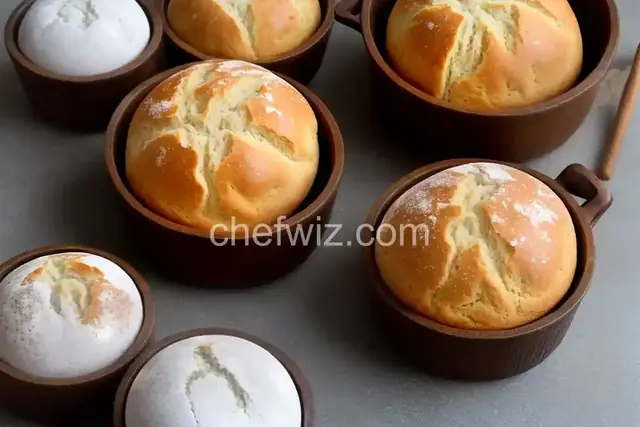
Who doesn't love the smell of fresh bread wafting through the house? The crackling of the crust as you break into it, revealing a soft and fluffy interior. There's something truly magical about the process of baking bread, and one of the most satisfying breads to bake at home is a boule.
A boule is a round loaf of bread, typically made with flour, water, yeast, and salt. Its name comes from the French word for "ball," which perfectly describes its shape. Boules are known for their rustic appearance, with a slightly uneven crust and a hearty texture.
Baking a boule at home is not only a delicious endeavor but also a rewarding one. There's a sense of accomplishment that comes from transforming simple ingredients into a beautiful loaf of bread. Plus, the aroma that fills your kitchen as it bakes is simply irresistible.
Baking a boule requires some skill and practice, but with the right technique, anyone can do it. It's all about creating the perfect environment for the dough to rise and develop its flavors. From kneading the dough to shaping it into a ball, each step is crucial in creating that classic boule shape.
The type of flour you use can greatly impact the texture and flavor of your boule. While all-purpose flour works well, many bakers prefer using bread flour for its higher protein content. This protein creates gluten, which gives the bread its structure and chewiness.
If you want to take your boule to the next level, consider creating a sourdough starter. This natural leavening agent adds a tangy flavor to the bread and creates a more open crumb. It takes a bit of time and patience to create and maintain a sourdough starter, but the results are well worth it.
One of the secrets to achieving a crispy crust on your boule is steam. As the bread bakes, the steam helps create a moist environment, allowing the crust to develop that desirable crackly texture. There are a few ways to introduce steam into your oven, such as placing a pan of water on the bottom rack or using a spray bottle to mist the dough before baking.
Yes, you can definitely use whole wheat flour in your boule. However, keep in mind that whole wheat flour absorbs more water than all-purpose flour, so you may need to adjust the hydration of your dough accordingly.
The baking time for a boule can vary depending on the size of the loaf and your oven. On average, it takes about 30-40 minutes at 450°F (230°C). Keep an eye on the crust and tap the bottom of the bread to check for a hollow sound, indicating that it's done.
Absolutely! Adding herbs or cheese to your boule can add an extra layer of flavor. Simply fold in your desired ingredients during the shaping process, making sure they are evenly distributed throughout the dough.
Yes, you can freeze your boule for later enjoyment. Let it cool completely, then wrap it tightly in plastic wrap and place it in a freezer bag. When you're ready to enjoy it, thaw it at room temperature and reheat it in the oven for a few minutes to refresh the crust.
A good rule of thumb is to let your dough double in size during the bulk fermentation stage. This usually takes around 2-3 hours, depending on the temperature of your kitchen. You can also perform the "poke test" by gently pressing your finger into the dough. If it springs back slowly, it's ready to be shaped.
Yes, you can substitute instant yeast for active dry yeast in most bread recipes, including boules. Keep in mind that instant yeast doesn't require proofing, so you can add it directly to your dry ingredients.
An open crumb is often desired in boules, as it creates a light and airy texture. To achieve this, you can incorporate a few stretch and fold techniques during the bulk fermentation process. This helps develop the gluten and create air pockets in the dough.
While a Dutch oven is ideal for baking boules, you can still achieve great results without one. Simply place your shaped dough on a baking sheet or a preheated pizza stone, and mist it with water to create steam. Just keep in mind that the crust may not be as crispy as when baked in a Dutch oven.
In conclusion, baking a fresh boule at home is a wonderful way to indulge in the art of breadmaking. With some patience and practice, you can create a beautiful loaf that will impress your friends and family. So why not roll up your sleeves, preheat your oven, and embark on a delicious boule-baking adventure?
AprilCook, recipe developer and the heart of Chefwiz. More about April