French Bread
Rate this recipeBe the first to rate
 By AprilPublished
 Have you ever taken a bite of freshly baked French bread and been transported to the streets of Paris?
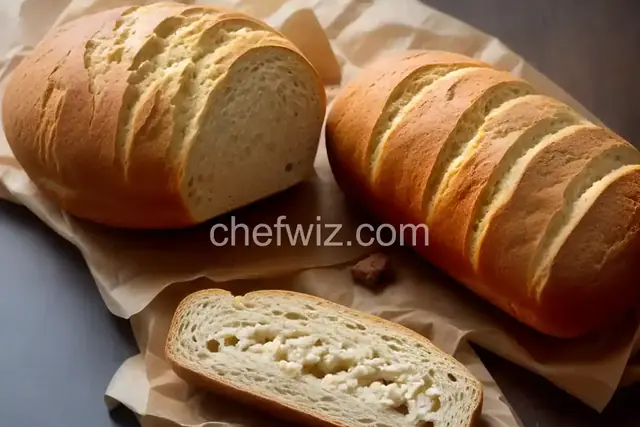 By AprilPublished
 Have you ever taken a bite of freshly baked French bread and been transported to the streets of Paris?
Start by greasing a large baking sheet and sprinkling it with cornmeal. Set it aside.
In the bowl of a stand mixer, combine 2 cups of flour, yeast, and salt. Stir in 2 cups of warm water and beat with the dough hook attachment until well blended. Gradually add the remaining flour, a little at a time, until it is fully incorporated.
Transfer the dough onto a lightly floured surface and knead it for about 8 to 10 minutes, until it becomes smooth and elastic. Shape the dough into a ball and place it in a greased bowl, turning it once. Cover the bowl and let the dough rise in a warm place until it doubles in size, which should take about 1 hour.
Once the dough has risen, punch it down and divide it in half. Place each half on a lightly floured surface and cover them, letting them rest for 10 minutes.
Roll each half of the dough into a large rectangle. Starting from one long side, roll it up tightly. Moisten the edge with water and seal it, then taper the ends.
Place the loaves, seam-side down, on the prepared baking sheet. Lightly beat an egg white with 1 tablespoon of water and brush it over the loaves. Cover them with a damp cloth and let them rise until they are nearly doubled in size, which typically takes about 35 to 40 minutes
Have you ever taken a bite of freshly baked French bread and been transported to the streets of Paris? The crisp crust, soft interior, and irresistible aroma make it an iconic staple of French cuisine. But what is it that makes French bread so unique? In this article, we will explore the secrets behind this culinary masterpiece.
Baking French bread is a true art form that requires skill, patience, and attention to detail. From the selection of ingredients to the precise measurements and techniques, every step is crucial in creating the perfect loaf.
At the heart of every great French bread is high-quality flour. French bakers often use a type of flour called "Type 55," which has a lower protein content compared to other types of flour. This results in a lighter, more delicate crumb.
One of the secrets to achieving a crisp crust is the addition of steam during the baking process. This is done by placing a pan of hot water in the oven or spraying water onto the bread before baking. The steam creates moisture, allowing the crust to develop a beautiful golden color and a delightful crunch.
When we think of French bread, the first thing that comes to mind is often the baguette. With its long, slender shape and crackly crust, the baguette is a symbol of French culinary excellence.
To achieve the iconic shape of the baguette, bakers use a technique called "batardage." The dough is carefully rolled and stretched into a long, thin oval shape. It is then folded and rolled again, creating tension on the surface of the dough.
Once shaped, the baguette is scored with a sharp knife just before baking. This allows the bread to expand and creates the characteristic "ears" on the loaf. The baguette is then baked at a high temperature to achieve the perfect combination of a crisp crust and a soft, chewy interior.
While the baguette is the most well-known type of French bread, there are many other delicious variations to explore.
Pain de Campagne, or country bread, is a rustic loaf with a thick, chewy crust and a moist, flavorful crumb. It is often made with a combination of different flours, giving it a unique texture and taste.
Brioche is a rich, buttery bread that is often enjoyed for breakfast or as a sweet treat. Its soft, tender crumb and golden crust make it a true indulgence.
French bread is not only delicious on its own but also pairs perfectly with a variety of foods.
There's nothing quite like the combination of a crusty baguette, a creamy cheese, and a glass of fine wine. From Camembert to Roquefort, the possibilities are endless.
A platter of cured meats, such as prosciutto, salami, and pâté, served with slices of fresh French bread is a feast for the senses. The contrasting flavors and textures create a harmonious symphony of taste.
French bread is more than just a loaf of bread; it is a culinary masterpiece that embodies the rich tradition and artistry of French baking. From the selection of ingredients to the precise techniques, every step is carefully crafted to create a sensory experience like no other. So the next time you bite into a warm, crusty baguette, take a moment to appreciate the skill and dedication that goes into creating this French delicacy.
French bread has a long and storied history that dates back centuries. It has been a staple of French cuisine since ancient times, evolving and adapting over the years to become the beloved bread we know today.
Absolutely! While it may require some practice and patience, making French bread at home is a rewarding experience. With the right ingredients and techniques, you can create your own delicious loaves.
French bread is best enjoyed fresh, ideally on the day it is baked. However, if stored properly in a paper bag or bread box, it can stay fresh for up to two days.
To keep French bread fresh, it is important to store it properly. Avoid plastic bags, as they can make the crust soft. Instead, place the bread in a paper bag or bread box at room temperature.
Yes, French bread can be frozen for later use. To freeze, wrap the bread tightly in plastic wrap or aluminum foil and place it in a freezer bag. It can be thawed and reheated in the oven for a fresh-baked taste.
Don't let leftover French bread go to waste! You can use it to make delicious croutons, bread pudding, or even French toast. The possibilities are endless!
Yes, there are gluten-free alternatives to French bread available. Many bakeries now offer gluten-free bread options made with alternative flours, such as rice flour or almond flour.
Absolutely! French bread has gained worldwide popularity, and you can find it in bakeries and specialty stores around the globe. So no matter where you are, you can enjoy a taste of France.
AprilCook, recipe developer and the heart of Chefwiz. More about April