Food Processor Pizza Dough
Rate this recipeBe the first to rate
 By AprilPublished
 Who doesn't love a good homemade pizza? The crispy crust, the gooey cheese, and the endless possibilities for toppings.
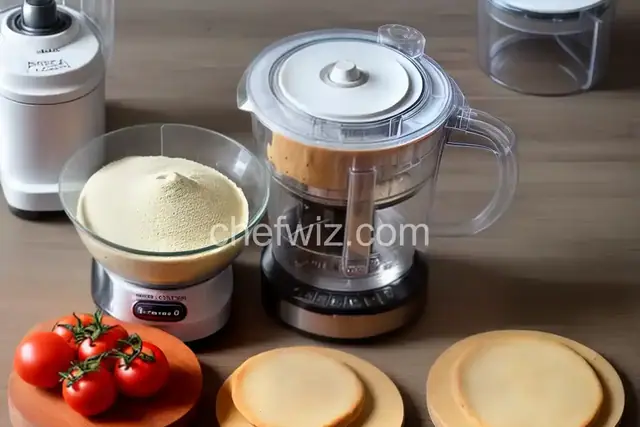 By AprilPublished
 Who doesn't love a good homemade pizza? The crispy crust, the gooey cheese, and the endless possibilities for toppings.
In a food processor, combine yeast, salt, and 1⅔ cups of flour.
Turn on the food processor and gradually add ¾ cup of warm water (between 100°F and 110°F) while it's running.
Process until the ingredients form a ball, which should take about 30 seconds.
Transfer the dough onto a floured surface. It should have a slightly shaggy appearance and stick to the counter.
If the dough is too dry, gradually add warm water (teaspoon by teaspoon) until it becomes slightly tacky.
Knead the dough for about 5 minutes until it becomes smooth and elastic.
Divide the dough into 2 equal balls, each of which can be used to make a 12–14 pizza.
Place the dough balls in separate large resealable containers or bags.
Refrigerate the dough for at least overnight, but it can also be chilled for up to 2 days.
If you want to make the dough in advance, tightly wrap the dough balls in plastic and freeze them. They can be frozen for up to 3 months.
Who doesn't love a good homemade pizza? The crispy crust, the gooey cheese, and the endless possibilities for toppings. But let's face it, making pizza dough from scratch can be a daunting task. That's where a food processor comes in handy. In this article, we'll explore how to make the perfect pizza dough using a food processor, and why it's the secret weapon in your pizza-making arsenal.
Think of a food processor as your personal sous chef. It does all the hard work for you, saving you time and effort. When it comes to making pizza dough, the food processor is a game-changer. It ensures that the ingredients are evenly combined and kneaded, resulting in a smooth and elastic dough.
Before you start, make sure you have all the necessary ingredients at hand. This includes flour, yeast, salt, olive oil, and water. The food processor will do the heavy lifting, so you don't need to worry about mixing the ingredients by hand.
Add the flour, yeast, and salt to the bowl of the food processor. Pulse a few times to combine the dry ingredients. Then, slowly add the olive oil and water while the machine is running. Let the food processor do its magic until the dough forms a ball and pulls away from the sides of the bowl.
Once the dough has come together, it's time to knead it. You can either knead it in the food processor for a minute or two or transfer it to a lightly floured surface and knead it by hand. Kneading helps develop the gluten in the dough, giving it that chewy texture we all love.
Using a food processor to make pizza dough has several advantages. Firstly, it saves you time. The food processor can mix and knead the dough in a fraction of the time it would take to do it by hand. Secondly, it ensures consistency. The machine ensures that all the ingredients are evenly distributed, resulting in a uniform dough. Lastly, it's foolproof. Even if you're a novice in the kitchen, using a food processor takes the guesswork out of making pizza dough.
A1: Absolutely! A stand mixer can also be used to make pizza dough. Just be sure to use the dough hook attachment and follow the same steps as you would with a food processor.
A2: Yes, you can make the dough ahead of time. After kneading, place the dough in an airtight container and refrigerate for up to 24 hours. This will allow the flavors to develop and result in a tastier crust.
A3: Absolutely! After kneading, divide the dough into portions and wrap each portion tightly in plastic wrap. Place them in a freezer bag and freeze for up to 3 months. When ready to use, thaw the dough in the refrigerator overnight.
A4: Yes, you can substitute part or all of the all-purpose flour with whole wheat flour. Just keep in mind that whole wheat flour absorbs more liquid, so you may need to adjust the amount of water accordingly.
A5: Absolutely! This dough can be used to make both thin crust and thick crust pizzas. Simply roll the dough out to your desired thickness before adding the toppings.
A6: Yes, you can use instant yeast instead of active dry yeast. However, instant yeast does not need to be activated in water before using, so you can add it directly to the flour in the food processor.
A7: Absolutely! A food processor can be used to make a wide variety of bread recipes, from bagels to brioche. It's a versatile tool that can save you time and effort in the kitchen.
A8: While the food processor is great for combining the main pizza dough ingredients, it's best to add herbs or cheese after the dough has been mixed and kneaded. This ensures that the herbs or cheese are evenly distributed throughout the dough.
In conclusion, a food processor is a game-changer when it comes to making pizza dough. It saves time, ensures consistency, and takes the guesswork out of the process. Whether you're a seasoned chef or a novice in the kitchen, using a food processor will result in a delicious homemade pizza every time.
AprilCook, recipe developer and the heart of Chefwiz. More about April