Flounder Mediterranean
Rate this recipeBe the first to rate
 By AprilPublished
 Are you looking for a delicious and healthy seafood dish that will transport your taste buds to the Mediterranean?
 By AprilPublished
 Are you looking for a delicious and healthy seafood dish that will transport your taste buds to the Mediterranean?
Preheat the oven to 425 degrees F (220 degrees C).
Boil a saucepan of water.
Place the tomatoes into the boiling water and immediately transfer them to a medium bowl of ice water. Allow them to drain and then remove and discard the skins. Chop the tomatoes and set them aside.
Heat olive oil in a skillet over medium heat. Sauté the onion until it becomes tender, which should take approximately 5 minutes.
Stir in the chopped tomatoes, garlic, and Italian seasoning. Cook until the tomatoes become tender, which should take around 5 to 7 minutes.
Add the olives, wine, capers, lemon juice, and half of the basil to the skillet. Reduce the heat and mix in the Parmesan cheese. Cook until the mixture becomes a thick sauce, which should take approximately 15 minutes.
Place the flounder in a shallow baking dish.
Pour the sauce over the fillets and top them with the remaining basil leaves.
Bake in the preheated oven for 12 minutes, or until the fish can be easily flaked with a fork.
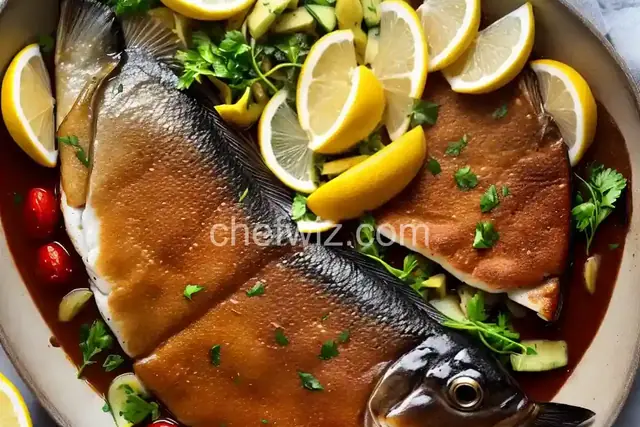
Are you looking for a delicious and healthy seafood dish that will transport your taste buds to the Mediterranean? Look no further than Flounder Mediterranean! This flavorful and aromatic dish is packed with wholesome ingredients that will not only satisfy your cravings but also provide you with essential nutrients. Let's dive deeper into the world of Flounder Mediterranean and discover why it's a must-try for seafood lovers.
Flounder Mediterranean is a dish that combines the delicate and mild flavor of flounder with the vibrant and bold flavors of the Mediterranean cuisine. It's like a symphony of tastes in your mouth! The flounder fillets are seasoned with a delightful blend of herbs and spices, such as oregano, thyme, and garlic, which infuse the fish with an irresistible aroma. When cooked to perfection, the flounder becomes tender and flaky, making every bite a heavenly experience.
Not only is Flounder Mediterranean a treat for your taste buds, but it's also a healthy choice for your body. Flounder is a lean fish that is rich in omega-3 fatty acids, which are essential for heart health and brain function. These fatty acids have been linked to reduced inflammation and improved cognitive function. Additionally, flounder is a great source of protein, vitamins, and minerals, making it a nutritious addition to your diet.
Preparing Flounder Mediterranean is a breeze! Start by marinating the flounder fillets in a mixture of olive oil, lemon juice, and the aforementioned herbs and spices. Allow the flavors to meld together for at least 30 minutes. Next, heat a skillet over medium heat and cook the flounder fillets until they are golden brown and flaky. Serve with a side of roasted vegetables or a fresh salad for a complete and satisfying meal.
Absolutely! While flounder is the star of the show in Flounder Mediterranean, you can use other white fish varieties, such as cod or haddock, as a substitute. The key is to choose a fish that has a mild flavor and a firm texture.
Yes, you can use dried herbs if you don't have fresh ones on hand. However, keep in mind that dried herbs are more potent, so you'll need to adjust the quantities accordingly. As a general rule of thumb, use one-third of the amount of dried herbs compared to fresh herbs.
Absolutely! Grilling the flounder will give it a smoky and charred flavor that pairs perfectly with the Mediterranean seasonings. Simply preheat your grill to medium-high heat and cook the flounder fillets for about 4-5 minutes per side, or until they are opaque and flaky.
Yes, Flounder Mediterranean is a great option for those following a low-carb diet. The dish is primarily composed of lean protein and healthy fats, with minimal carbohydrates. However, be mindful of the ingredients used in the marinade and any additional side dishes you may serve with it.
While it's best to enjoy Flounder Mediterranean fresh, you can certainly prepare the marinade in advance and marinate the flounder fillets overnight. This will allow the flavors to develop even further. When you're ready to cook, simply remove the fish from the marinade and cook as directed.
Flounder Mediterranean pairs well with a variety of side dishes. Some delicious options include roasted vegetables, such as zucchini and bell peppers, a refreshing Greek salad, or a light and fluffy couscous. The choice is yours!
It's not recommended to freeze Flounder Mediterranean once it has been cooked. Freezing can affect the texture and flavor of the fish. However, you can freeze the uncooked marinated flounder fillets for up to 3 months. Simply thaw them in the refrigerator overnight before cooking.
The cooking time for Flounder Mediterranean will depend on the thickness of the fillets. As a general guideline, cook the fillets for about 3-4 minutes per side. The fish should be opaque, flaky, and easily come apart with a fork.
Yes, you can use frozen flounder fillets for Flounder Mediterranean. Just make sure to thaw them completely before marinating and cooking. Pat them dry with a paper towel to remove any excess moisture before proceeding with the recipe.
Yes, Flounder Mediterranean is naturally gluten-free. However, if you have celiac disease or a severe gluten intolerance, it's essential to double-check the labels of any pre-packaged seasonings or condiments you use to ensure they are gluten-free.
Absolutely! If you enjoy a bit of heat, you can add some crushed red pepper flakes or a pinch of cayenne pepper to the marinade. This will give the dish a subtle kick without overpowering the flavors of the Mediterranean herbs and spices.
In conclusion, Flounder Mediterranean is a delightful seafood dish that brings the flavors of the Mediterranean to your plate. With its tender and flaky texture, aromatic seasonings, and health benefits, it's a dish that satisfies both your taste buds and your nutritional needs. So why not give it a try and embark on a culinary journey to the Mediterranean?
AprilCook, recipe developer and the heart of Chefwiz. More about April