Flan Puerto Rican
Rate this recipeBe the first to rate
 By AprilPublished
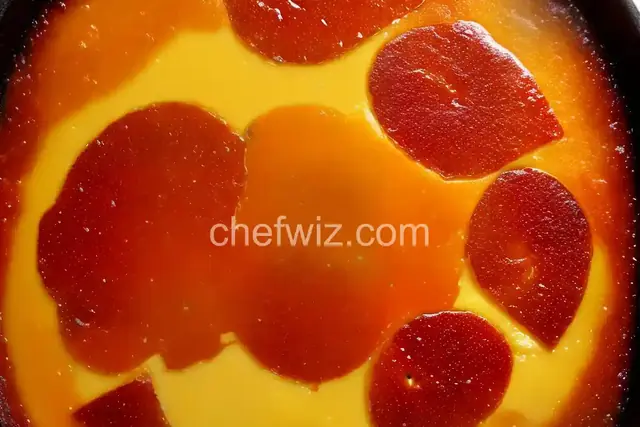
 When it comes to classic Puerto Rican desserts, flan takes the cake.
 By AprilPublished
 When it comes to classic Puerto Rican desserts, flan takes the cake.
Preheat the oven to 350�.
To make the caramel, combine 1 cup of sugar and 1/4 cup of water in a glass measuring cup or microwave-safe bowl.
Microwave the mixture on high for approximately 5 minutes, but adjust the time based on your microwave's power. Keep an eye on it towards the end and stop when the desired color is reached. Be careful not to overcook and burn it.
Remove the caramel from the microwave and pour it into the pans you will be using for the flan. Tilt the pans to coat the bottom with caramel and set them aside.
In a separate bowl, combine sugar, eggs, evaporated milk, condensed milk, and vanilla to make the flan mixture.
Stir the mixture well, but avoid stirring aggressively to prevent introducing too much air. Too much air can create bubbles during cooking, and a proper flan should be a solid custard without bubbles. If bubbles do form, it won't ruin the flan, but you can make another one without bubbles if desired.
Pour the flan mixture over the caramel in the pans.
Prepare a water bath by lining a larger vessel with a clean towel and placing the flan pans inside.
Pour hot water between the pans, filling it up to the halfway point of the flan pan.
Carefully place the pans in the preheated 350� oven and
When it comes to classic Puerto Rican desserts, flan takes the cake. This creamy, caramel-infused custard is a staple in many Puerto Rican households, and for good reason. Its smooth texture and rich flavor make it a true indulgence for anyone with a sweet tooth. In this article, we'll dive into the world of flan Puerto Rican style, exploring its origins, ingredients, and the secret to making the perfect flan.
Like many beloved dishes, flan has a rich history that dates back centuries. Its roots can be traced back to ancient Rome, where it was a popular dessert among the elite. As the Roman Empire expanded, so did the popularity of flan, spreading across Europe and eventually making its way to the Caribbean with the arrival of Spanish colonists.
When the Spaniards settled in Puerto Rico, they brought with them their culinary traditions, including the beloved flan. Over time, Puerto Ricans put their own spin on the dish, infusing it with local ingredients and flavors to create the unique flan Puerto Rican style we know and love today.
Flan Puerto Rican style is made with a handful of simple ingredients that come together to create a dessert that's greater than the sum of its parts. The main ingredients include eggs, milk, sugar, and vanilla extract. These basic building blocks form the custard base of the flan.
But what sets flan Puerto Rican style apart is the addition of coconut milk. This tropical twist adds a subtle sweetness and a hint of the Caribbean to the dessert. The coconut milk is blended with the regular milk to create a creamy, velvety texture that is characteristic of flan Puerto Rican style.
Making the perfect flan can be a daunting task, but with a few tips and tricks, you'll be well on your way to flan perfection. The key is to achieve the right balance of ingredients and to master the caramelization process for the perfect golden crust.
One important tip is to use room temperature ingredients. This ensures that everything blends together smoothly and evenly, resulting in a creamy flan. Another tip is to use a water bath while baking the flan. This gentle, indirect heat helps the custard cook evenly and prevents it from curdling or cracking.
Finally, the caramelization process is crucial for a beautiful flan. It's important to monitor the sugar as it melts, ensuring it doesn't burn. The melted sugar should be a deep amber color, which will give your flan that signature caramelized flavor.
Flan Puerto Rican style is a beloved dessert that has stood the test of time. Its creamy texture, caramelized flavor, and tropical twist make it a true crowd-pleaser. With a few simple ingredients and some patience, you can create a flan that will transport you to the sunny shores of Puerto Rico. So why not give it a try and indulge in a little taste of the Caribbean?
Yes, you can substitute condensed milk for regular milk in flan Puerto Rican style. However, keep in mind that condensed milk is sweeter and thicker, so adjust the amount accordingly.
Absolutely! While coconut milk adds a unique flavor to flan Puerto Rican style, you can omit it if you prefer a more traditional flan. Just replace the coconut milk with an equal amount of regular milk.
Flan needs to cool for at least 2 hours before serving. This allows the custard to set and ensures that it's the perfect consistency.
Yes, flan is a great make-ahead dessert. You can prepare it a day in advance and keep it refrigerated until you're ready to serve.
While flan can be frozen, it's best to enjoy it fresh. Freezing can alter the texture and affect the overall quality of the flan.
Absolutely! Flan is a versatile dessert that can be customized to your liking. Consider adding flavors like citrus zest, cinnamon, or even a splash of rum for an extra kick.
Yes, you can experiment with different types of sugar for the caramel. Brown sugar, for example, will add a deeper, molasses-like flavor to the flan.
Yes, you can use different molds to create unique shapes for your flan. Just make sure the mold is oven-safe and can withstand the heat.
AprilCook, recipe developer and the heart of Chefwiz. More about April