Flaky, Tender, and Nutty Whole Wheat Pie Crust Recipe
Rate this recipeBe the first to rate
 By AprilPublished
 Are you tired of store-bought pie crusts that lack flavor and texture?
 By AprilPublished
 Are you tired of store-bought pie crusts that lack flavor and texture?
In a medium bowl, whisk together all-purpose flour, whole wheat flour, sugar, and salt.
Cut the butter into 1/2-inch cubes and add them to the flour mixture. Use your fingertips to flatten each cube.
Stir in water and knead the dough against the sides of the bowl until it forms a shaggy ball. The dough should be between 65 and 70째F (18 and 21째C).
On a floured work surface, roll the dough into a 10- by 15-inch rectangle.
Fold the 10-inch sides to the center and then fold in half again to create a thick block. Divide the dough in half.
Roll one piece into a 14-inch circle and place it in a 9-inch pie plate. Use a pastry brush to remove excess flour and press the dough into the corners of the pan.
Trim the edge of the dough so that it overhangs by 1 1/4 inches. Fold the overhang over itself to create a thick border.
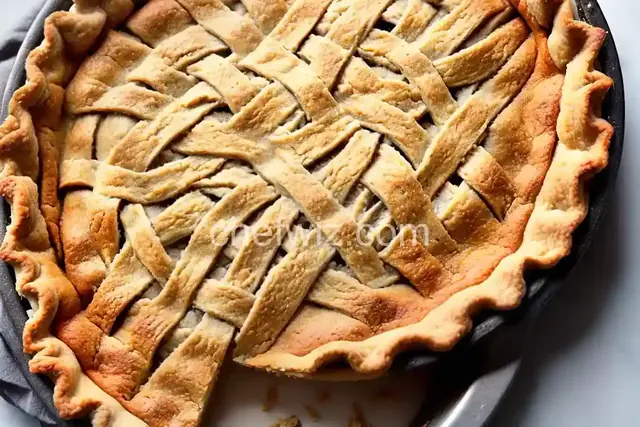
Repeat steps 6 and 7 with the remaining dough, or roll it into a rectangle for a lattice-top pie.
Wrap both portions of dough in plastic and refrigerate for at least 2 hours or overnight.
Preheat the oven to 350째F (180째C) and line the chilled pie shell with aluminum foil. Fill the foil with sugar and bake for
Are you tired of store-bought pie crusts that lack flavor and texture? Why not try making your own flaky, tender, and nutty whole wheat pie crust? Not only will it elevate your pies to a whole new level, but it's also healthier and more satisfying. So, roll up your sleeves and let's dive into the wonderful world of whole wheat pie crusts!
When it comes to pie crusts, all-purpose flour is the traditional choice. However, whole wheat flour adds a depth of flavor and a nutty undertone that takes your pie to another dimension. Plus, whole wheat is packed with fiber, vitamins, and minerals, making your pie a healthier indulgence.
Ever wondered how professional bakers achieve those beautifully flaky crusts? The secret lies in the fat. Whether you choose butter, shortening, or a combination of both, it's crucial to keep the fat cold and solid. This ensures that the fat melts slowly during baking, creating those sought-after layers.
Mixing the dough is where the magic happens. The key is to handle the dough as little as possible to prevent gluten development. Overworked gluten can result in a tough and chewy crust. So, mix the ingredients until just combined, and you'll be rewarded with a tender and delicate crust.
Whole wheat flour brings a unique nuttiness to your pie crust. However, you can enhance this flavor even further by incorporating finely chopped nuts into the dough. Almonds, walnuts, and pecans are excellent choices that add both texture and taste. It's like giving your pie a delightful crunch!
Rolling out dough can be intimidating, but with a few tips, you'll become a pro in no time. Start by chilling the dough for at least 30 minutes to relax the gluten and make it more manageable. Use a lightly floured surface and a rolling pin to achieve an even thickness. Roll from the center outward, rotating the dough to maintain a circular shape. With practice, your crusts will be picture-perfect!
Now that your pie crust is ready, it's time to bake it to perfection. Preheat your oven to the desired temperature and line the crust with parchment paper or foil. Fill it with pie weights or dried beans to prevent it from puffing up during baking. The result? A golden-brown, flaky crust that will make you the star of any pie party.
Making your own flaky, tender, and nutty whole wheat pie crust is a game-changer. With a few simple techniques and quality ingredients, you can create pies that are not only visually stunning but also bursting with incredible flavor. So, why settle for mediocre when you can bake your way to pie perfection?
Yes, you can substitute all-purpose flour if you prefer a lighter crust. However, keep in mind that it won't have the same nutty flavor and added health benefits as whole wheat.
While butter adds richness, margarine can be used as a substitute. Just make sure it's cold and solid, like butter, to achieve a flaky crust.
Absolutely! Freezing the dough not only saves time but also helps maintain the flakiness. Just wrap it tightly in plastic wrap and store it in the freezer for up to three months.
Yes, you can prepare the dough in advance. After mixing, wrap it in plastic wrap and refrigerate for up to three days before rolling and baking.
To prevent a soggy bottom crust, brush the unbaked crust with beaten egg white before adding the filling. The egg white creates a barrier that prevents moisture from seeping into the crust.
Absolutely! Simply divide the dough into smaller portions and roll them out to fit your mini pie pans. Adjust the baking time accordingly.
Shrinking crusts can result from overworking the dough or not chilling it adequately. Remember to handle the dough gently and give it ample time to rest and chill.
Definitely! This versatile crust works well with both sweet and savory fillings. Feel free to experiment with various flavors and combinations.
AprilCook, recipe developer and the heart of Chefwiz. More about April