Flaky Pastry Dough
Rate this recipeBe the first to rate
 By AprilPublished
 Have you ever bitten into a delicious, flaky pastry and wondered how it's made?
 By AprilPublished
 Have you ever bitten into a delicious, flaky pastry and wondered how it's made?
In a large bowl, combine the flour and salt.
Add the butter to the bowl and mix it in by tossing it with the flour.
Use your fingers to flatten the butter into thin pieces, making sure none are larger than a quarter.
Mix the butter with the flour until it resembles coarse cornmeal.
Pour the water into the bowl and gently fold it in with a wooden spoon, making sure not to stir vigorously. The dough should have a shaggy appearance.
Use your hands to break up any large clumps of moisture in the dough.
Use your knuckles or palm to smear the dough up the sides of the bowl, a technique known as fraisage. This helps distribute the butter and create larger flakes in the dough.
Fold the dough over itself a few times to incorporate any dry bits from the bottom.
Press the dough gently into a disk shape.
If the dough starts to warm up, refrigerate it for 5 to 10 minutes to keep it cool.
Transfer the dough to a lightly floured work surface and roll it out to a 10-by-12-inch rectangle.
Fold one of the short ends of the rectangle towards the middle, then fold the other short end over the first, similar to folding a business letter.
Rotate the dough 90 degrees so that the long side is facing you.
Fold the dough in the same way
Have you ever bitten into a delicious, flaky pastry and wondered how it's made? The secret lies in the dough. Flaky pastry dough is the foundation of many mouthwatering treats, from croissants to turnovers. In this article, we'll dive into the world of flaky pastry dough, exploring what makes it so special and how you can make it yourself. So grab your rolling pin and let's get started!
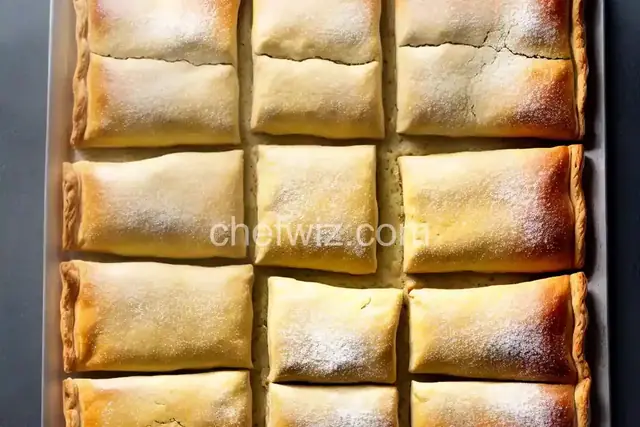
Flaky pastry dough is a buttery, delicate dough that bakes up light and airy, with layers that separate as it cooks. These layers create the flakiness that we all love in pastries. The key to achieving this texture lies in the technique of incorporating cold butter into the flour mixture.
One bite into a flaky pastry and you'll understand why it's so good. The combination of the buttery, melt-in-your-mouth texture and the airiness of the layers creates a delightful sensation on your taste buds. It's like a party in your mouth!
Making flaky pastry dough takes a bit of time and patience, but the end result is well worth it. Start by combining flour, salt, and sugar in a bowl. Cut in cold butter until the mixture resembles coarse crumbs. Then, gradually add ice water until the dough comes together. Chill the dough for at least 30 minutes before rolling it out and using it in your favorite pastry recipe.
Achieving flaky pastry dough perfection requires a few tips and tricks. First, make sure your butter is cold. Cold butter creates steam as it bakes, which helps to create those beautiful layers. Additionally, be careful not to overmix the dough. Overmixing can lead to a tough dough, so mix until just combined.
While the classic flaky pastry dough is delicious on its own, you can also experiment with different flavors. Add a touch of vanilla extract for a hint of sweetness or mix in some herbs for a savory twist. The possibilities are endless!
When making flaky pastry dough, there are a few common mistakes to watch out for. One is using warm butter. Warm butter will melt too quickly and won't create the desired flakiness. Another mistake is overworking the dough. Remember, gentle is the key. Finally, avoid rolling the dough too thin. A slightly thicker dough will result in a flakier pastry.
Flaky pastry dough is the foundation of many delectable pastries. Its buttery, flaky texture is what sets these treats apart. By following the right techniques and avoiding common mistakes, you can create your own flaky pastry dough at home. So go ahead, unleash your inner pastry chef and enjoy the delightful creations that this dough can help you make!
No, margarine is not recommended for making flaky pastry dough. Butter has a higher fat content, which is essential for achieving the desired flakiness.
It's best to chill the dough for at least 30 minutes before rolling it out. This allows the butter to firm up again, making it easier to work with and creating those flaky layers.
Absolutely! Flaky pastry dough freezes well. Simply wrap it tightly in plastic wrap or place it in an airtight container before freezing. Thaw it in the refrigerator overnight before using.
Yes, you can use whole wheat flour, but keep in mind that it will result in a slightly denser pastry. You may need to adjust the amount of liquid in the recipe to achieve the right consistency.
To prevent the dough from sticking to the rolling pin, lightly dust it with flour before rolling. You can also roll the dough between two sheets of parchment paper or plastic wrap to avoid sticking.
Yes, a food processor can be used to make the dough. Simply pulse the cold butter into the flour mixture until it resembles coarse crumbs, then gradually add the ice water until the dough comes together.
Absolutely! Flaky pastry dough is versatile and can be used for both sweet and savory dishes. It's perfect for making pies, quiches, and even hand pies filled with savory fillings.
Flaky pastry dough can be stored in the refrigerator for up to 3 days. If you're not planning to use it right away, wrap it tightly in plastic wrap to prevent it from drying out.
AprilCook, recipe developer and the heart of Chefwiz. More about April