Flakiest Pie Crust
Rate this recipeBe the first to rate
 By AprilPublished
 Have you ever wondered why some pie crusts are so amazingly flaky while others are disappointingly soggy?
 By AprilPublished
 Have you ever wondered why some pie crusts are so amazingly flaky while others are disappointingly soggy?
In a large bowl, combine flour, sugar, and salt.
Add butter to the flour mixture and toss until the butter is evenly coated.
Use your fingers to quickly and aggressively rub the butter into the flour, creating both flat and chunky pieces of dough.
In a small bowl, mix vinegar and ice water together.
Drizzle the vinegar and water mixture over the flour mixture while running your fingers through the flour to evenly distribute it.
Knead the dough in the bowl until it starts to come together, even if it still looks a little dry.
Transfer the dough onto a work surface and knead it 1 or 2 more times, pressing to incorporate any shaggy edges.
Divide the dough into 2 pieces and press each piece into a 1-inch thick disk.
Wrap the dough with plastic wrap and refrigerate it for at least 1 hour.
You can make the dough ahead of time: it can be stored in the refrigerator for up to 5 days or frozen for up to 1 month.
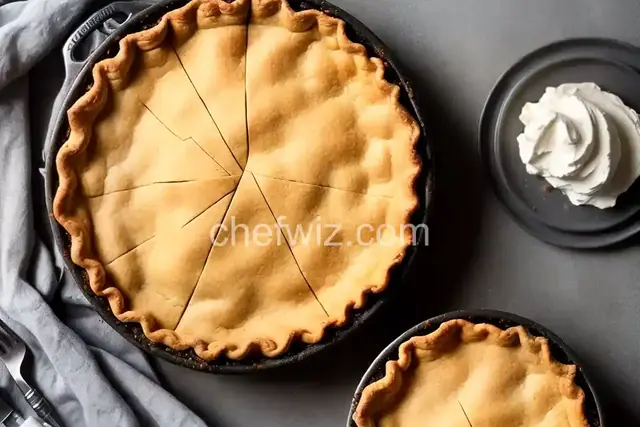
Have you ever wondered why some pie crusts are so amazingly flaky while others are disappointingly soggy? The key to achieving that perfect flakiness lies in understanding the science behind pie crusts. In this article, we will delve into the secrets of creating the flakiest pie crust that will leave your taste buds craving for more.
Creating a flaky pie crust is all about mastering the balance between fat, flour, and liquid. It's like a delicate dance where every ingredient plays its part to create a symphony of flavor and texture. Just like a well-rehearsed orchestra, each element must work harmoniously to achieve the desired results.
When it comes to pie crusts, fat is the star of the show. Whether you choose butter, lard, or shortening, the fat coats the flour particles, creating a barrier that prevents the formation of gluten. Gluten is what gives dough its elasticity, and by inhibiting its development, we can achieve a tender and flaky crust.
The type of flour you use can greatly impact the texture of your pie crust. All-purpose flour is a popular choice as it strikes a balance between protein content and tenderness. Too much protein can result in a tough crust, while too little can lead to a crumbly mess. Experiment with different flours to find your perfect balance.
Now that we understand the key ingredients, let's dive into some techniques that will take your pie crust to the next level.
One of the most crucial steps in achieving a flaky pie crust is to keep all the ingredients as cold as possible. Cold fats, whether it's butter or shortening, create steam when they melt in the oven. This steam helps create those coveted flaky layers. So, chill your fat, refrigerate the dough, and handle everything with a cool touch.
Overworking the dough can lead to the development of gluten, resulting in a tough crust. Treat your dough with gentle care, mixing it just until it comes together. Remember, we want those fat particles to remain intact, creating pockets of flakiness.
Creating the flakiest pie crust is an art that requires attention to detail and a little bit of experimentation. By understanding the science behind pie crusts and following the right techniques, you can achieve the perfect balance of tenderness and flakiness. So, roll up your sleeves, grab your rolling pin, and get ready to create mouthwatering pies that will impress everyone at the table.
While oil can be used as a substitute for butter, it may not yield the same level of flakiness. Butter has a higher water content, which creates steam during baking, resulting in a flakier crust.
To prevent shrinkage, make sure your dough is properly chilled before baking. Additionally, avoid stretching the dough when transferring it to the pie dish and use pie weights or beans for blind baking.
Pre-baking, also known as blind baking, is recommended for custard or cream-based pies. It involves partially baking the crust before adding the filling to ensure a crisp and fully cooked bottom crust.
To achieve a beautifully golden brown crust, brush it with an egg wash or milk before baking. This will give it a shiny appearance and enhance the browning process.
Absolutely! Freezing pie crust dough allows you to make it in advance and have it readily available whenever you need it. Just make sure to wrap it tightly in plastic wrap or place it in an airtight container to prevent freezer burn.
The ideal thickness for a pie crust is around 1/8 inch. This thickness allows for even baking and a perfect balance between flakiness and tenderness.
Whole wheat flour can be used in pie crusts, but keep in mind that it will result in a denser and slightly nuttier flavor. You may need to adjust the amount of liquid in the recipe to achieve the desired texture.
To prevent a soggy bottom crust, you can try brushing the bottom with a thin layer of egg white before adding the filling. This creates a barrier that helps keep the moisture from seeping into the crust.
AprilCook, recipe developer and the heart of Chefwiz. More about April