Fish in Foil
Rate this recipeBe the first to rate
 By AprilPublished
 When it comes to cooking seafood, there are countless methods to choose from.
 By AprilPublished
 When it comes to cooking seafood, there are countless methods to choose from.
Preheat the oven to 400 degrees F (200 degrees C).
Rinse and dry the fillets.
Rub the fillets with olive oil and season with garlic salt and black pepper.
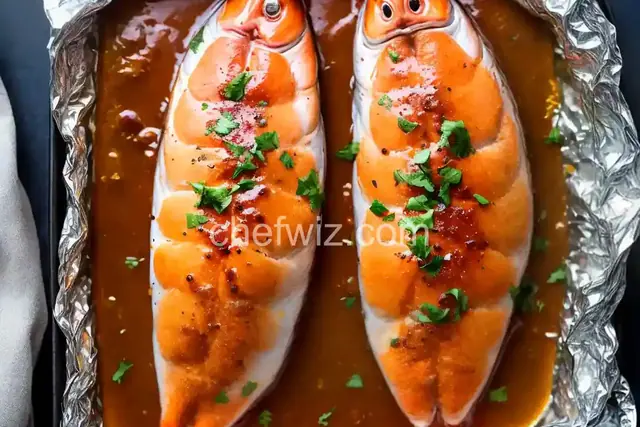
Place each fillet on a large sheet of aluminum foil.
Top the fillets with jalapeno slices and squeeze the juice from the lemon ends over the fillets.
Arrange the remaining lemon slices on top of the fillets.
Carefully seal all edges of the foil to create packets.
Place the packets on a baking sheet.
Bake in the preheated oven for 15 to 20 minutes, or until the fish flakes easily with a fork. The cooking time may vary depending on the size of the fillets.
When it comes to cooking seafood, there are countless methods to choose from. From grilling to poaching, each technique brings its own unique flavor and texture to the table. One method that has gained popularity in recent years is cooking fish in foil. Not only does it result in a delicious and flavorful meal, but it also offers a hassle-free cooking experience. So, whether you're a seafood enthusiast or just looking to try something new, let's dive into the world of cooking fish in foil!
Have you ever wondered why cooking fish in foil is such a hit? Picture this: you take a piece of fish, season it with your favorite herbs and spices, then wrap it tightly in foil. As it bakes in the oven or grills on the barbecue, the fish steams in its own juices, creating a moist, tender, and flavorful result. The foil acts as a seal, locking in all the deliciousness and preventing any loss of moisture. It's like a little present waiting to be unwrapped!
One of the biggest advantages of cooking fish in foil is the minimal preparation and cleanup involved. No need to worry about marinating or basting the fish—simply season it to your liking, wrap it up, and let the heat work its magic. And when it's time to clean up, just toss the foil in the trash. No scrubbing pots or pans required!
Another reason why fish in foil is so popular is its versatility. You can experiment with different seasonings, herbs, and vegetables to create a variety of flavor profiles. Add a squeeze of lemon for a refreshing citrusy taste, or sprinkle some cajun seasoning for a spicy kick. The choice is yours! The foil acts as a blank canvas, allowing you to get creative and tailor the flavors to your liking.
Now that you're ready to try cooking fish in foil, here are some tips to ensure your dish turns out perfectly:
Not all fish are created equal when it comes to foil cooking. Opt for firm and flaky varieties like salmon, cod, or halibut. These types of fish hold up well to the gentle steaming process and won't turn mushy.
The key to a successful foil-wrapped fish is a tight seal. Make sure to fold the edges of the foil over the fish, creating a packet that's fully enclosed. This will prevent any steam or juices from escaping and ensure even cooking.
One of the biggest mistakes people make when cooking fish in foil is overcooking it. Fish cooks quickly, so keep an eye on the cooking time to avoid drying it out. As a general rule, aim for around 10 minutes of cooking time per inch of thickness. Remember, the fish will continue to cook slightly after you remove it from the heat, so factor that into your timing as well.
Cooking fish in foil is a delightful and convenient way to enjoy seafood. With its easy preparation, endless flavor possibilities, and minimal cleanup, it's no wonder this cooking method has become a favorite among seafood lovers. So, go ahead and give it a try—your taste buds will thank you!
Yes, you can use frozen fish for cooking in foil. Just make sure to thaw it completely before seasoning and wrapping it in foil.
Absolutely! Cooking fish in foil on the grill is a popular method. Just make sure to preheat the grill and cook the fish over medium heat for best results.
Yes, adding vegetables to the foil packet is a great way to enhance the flavor and create a complete meal. Just make sure to choose vegetables that cook at a similar rate to the fish to avoid under- or overcooking.
While parchment paper is a good alternative, it doesn't provide the same level of sealing and moisture retention as foil. If you're looking for that perfectly steamed result, foil is your best bet.
Absolutely! The foil cooking method works well for other types of seafood like shrimp, scallops, and even lobster tails. Just adjust the cooking time accordingly based on the thickness of the seafood.
Yes, fish fillets are perfect for cooking in foil. Just make sure to adjust the cooking time based on the thickness of the fillets.
Yes, you can use the foil cooking method for whole fish as well. Make sure to clean and scale the fish before seasoning and wrapping it in foil.
Absolutely! Leftover foil-wrapped fish can be easily reheated in the oven or on the grill. Just make sure to wrap it tightly in foil to retain its moisture.
AprilCook, recipe developer and the heart of Chefwiz. More about April