First Baby Food: Peas
Rate this recipeBe the first to rate
 By AprilPublished
 As a parent, one of the most exciting milestones in your baby's life is the introduction of solid foods.
 By AprilPublished
 As a parent, one of the most exciting milestones in your baby's life is the introduction of solid foods.
Place a steamer insert into a saucepan and fill it with water, making sure the water level is below the steamer.
Bring the water to a boil.
Add the peas to the steamer, cover it, and steam them until they become tender. This should take approximately 15 minutes.
Place the steamed peas and breast milk into a blender or food processor.
Puree the mixture until it becomes creamy.
Strain the mixture through a fine-mesh sieve to remove any lumps.
Spread the pea mixture evenly into an ice cube tray.
Cover the tray with plastic wrap and freeze it until the mixture becomes solid. This usually takes about 2 to 3 hours.
Transfer the frozen cubes from the tray into a resealable plastic bag.
Store the frozen cubes in the freezer.
When serving, heat the desired amount of cubes in the microwave for approximately 30 seconds. Make sure they are warm but not hot.
Stir the cubes thoroughly before serving.
If fresh peas are available, they can be used instead of frozen peas.
Formula or water can be substituted for breast milk if needed.
The frozen cubes can be stored in the freezer for up to 2 months.
As a parent, one of the most exciting milestones in your baby's life is the introduction of solid foods. Watching your little one take their first bites is a joyous and memorable experience. But where do you start? What should be your baby's first food? Well, peas might just be the perfect choice!
Peas, those tiny green gems, are not only delicious but also packed with essential nutrients. They are rich in vitamins A, C, and K, as well as protein and fiber. These little powerhouses also contain important minerals like iron and potassium. By introducing peas as your baby's first food, you are setting them up for a healthy and nutritious start in their food journey.
Peas are an excellent choice for your baby's first food for several reasons. Firstly, their mild and sweet flavor is appealing to most babies. Secondly, their soft texture makes them easy to swallow and digest. Lastly, peas are less likely to cause allergies compared to some other foods. So, you can rest assured that your baby is getting a safe and nutritious meal.
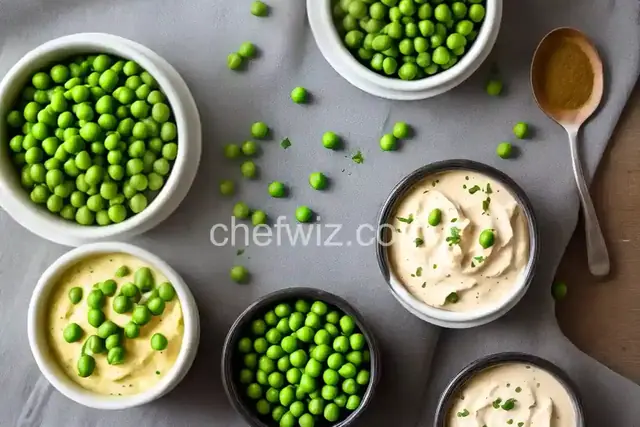
Now that you've decided to introduce peas as your baby's first food, how do you prepare them? Well, it's quite simple! Start by selecting fresh peas or frozen peas. Fresh peas can be steamed or boiled until tender. If you opt for frozen peas, simply follow the cooking instructions on the package. Once cooked, puree the peas until smooth using a blender or food processor. You can also add a little breast milk or formula to achieve the desired consistency.
Introducing solid foods to your baby should be a fun and interactive experience. Get creative with how you serve peas to your little one. You can mix them with other pureed fruits or vegetables to create exciting flavor combinations. You can also let your baby explore the texture by offering them mashed peas with a spoon or allowing them to self-feed with their fingers. Remember, this is a time for exploration and learning, so embrace the mess!
Before introducing peas or any solid food to your baby, it's important to ensure they are developmentally ready. Look for these signs of readiness:
- Your baby can hold their head steady
- They can sit up with minimal support
- They show an interest in food, such as watching you eat or reaching for your plate
If your baby exhibits these signs, it's a good indication that they are ready to embark on their solid food journey with peas!
Introducing solid foods to your baby is an exciting milestone. Choosing peas as your baby's first food is a nutritious and tasty option. With their abundance of vitamins, minerals, and soft texture, peas provide an excellent foundation for your little one's food exploration. So, grab a handful of peas, cook them up, and watch your baby's face light up as they take their first bite!
It is generally recommended to introduce peas to your baby around 6-8 months of age when they are developmentally ready for solid foods.
While fresh or frozen peas are preferred, you can use canned peas as an alternative. Just make sure to choose low-sodium options and rinse them thoroughly before use.
Start by offering a small amount, such as a teaspoon, and gradually increase the quantity as your baby becomes more comfortable with solid foods.
Absolutely! Mixing peas with other pureed fruits or vegetables can introduce your baby to a variety of flavors and textures.
Peas are considered a low-allergenic food, making them a safe choice for most babies. However, it's always a good idea to watch out for any signs of allergies or intolerances when introducing a new food.
If you have leftover pea puree, you can store it in an airtight container in the refrigerator for up to three days. Alternatively, you can freeze it in small portions for future use.
While mashed or pureed peas are recommended for babies starting solids, you can introduce whole peas as a finger food once your baby has developed their pincer grasp.
Other great first food options to introduce alongside peas include mashed avocado, sweet potatoes, and bananas. Remember to introduce one new food at a time to monitor for any potential allergies or digestive issues.
Now that you have all the information you need, get ready to embark on this exciting food journey with your little one. Enjoy this special time of exploration, messy faces, and happy taste buds!
AprilCook, recipe developer and the heart of Chefwiz. More about April