Fire Water
Rate this recipeBe the first to rate
 By AprilPublished
 Have you ever wondered what happens when fire and water meet?
 By AprilPublished
 Have you ever wondered what happens when fire and water meet?
Combine all the ingredients in a sturdy saucepan and gradually heat over medium heat until it reaches a simmer.
Allow the mixture to simmer for approximately 20 to 30 minutes.
Take the saucepan off the heat and let it cool down slightly.
Transfer the mixture into a blender and blend until it becomes smooth.
If desired, strain the hot sauce through a cheesecloth-lined mesh strainer to achieve a smoother texture.
Have you ever wondered what happens when fire and water meet? It might seem like an odd combination, but these two elements can create a mesmerizing and powerful spectacle. In this article, we will explore the fascinating world of fire water and uncover the secrets behind this captivating phenomenon.
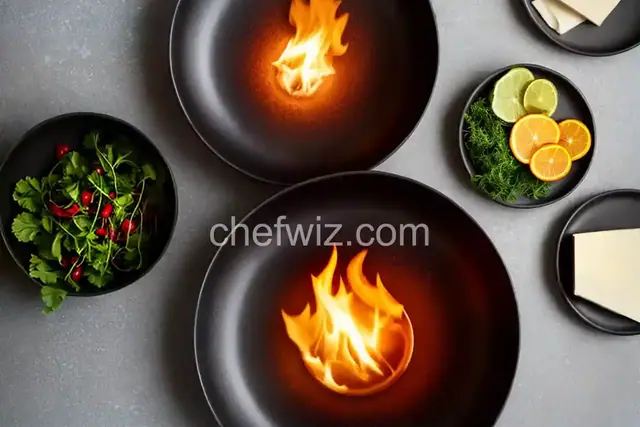
Imagine a raging fire, flickering and dancing with an intensity that demands attention. Now, picture a calm body of water, serene and tranquil, reflecting the world around it. When these two forces collide, something extraordinary happens. The fire dances on the surface of the water, creating a mesmerizing display of light and movement.
But how is this possible? How can fire, which thrives on heat and oxygen, exist on the surface of water? The answer lies in science. When a flammable substance, such as alcohol, is carefully poured on water and ignited, the alcohol burns, creating a layer of heat that protects the water beneath it. This phenomenon is known as the Leidenfrost effect.
The Leidenfrost effect is a fascinating scientific phenomenon that occurs when a liquid comes into contact with a surface significantly hotter than its boiling point. Instead of immediately evaporating, the liquid forms a thin layer of vapor that insulates it from the heat. This vapor layer acts as a protective shield, preventing the liquid from boiling or evaporating rapidly.
When alcohol is poured onto water and ignited, the Leidenfrost effect occurs, creating a layer of vapor that allows the fire to dance on the surface of the water. The heat from the fire is absorbed by the vapor layer, keeping the water underneath cool enough to prevent it from boiling or evaporating.
Fire water is not only a scientific marvel but also a mesmerizing sight to behold. The flames, fueled by the alcohol, create a stunning display of light and movement on the surface of the water. The dancing flames reflect off the liquid, creating a dazzling spectacle that captivates the viewer.
Fire water has been used in various performances and artistic displays, adding an element of enchantment and wonder. It showcases the power and beauty of nature, reminding us of the delicate balance between destruction and creation.
The mesmerizing dance of fire and water, known as fire water, is a captivating phenomenon that combines the beauty of flames with the tranquility of liquid. Through the Leidenfrost effect, fire is able to exist on the surface of water, creating a stunning display of light and movement. While fire water may not be a practical source of energy or suitable for cooking, it serves as a reminder of the awe-inspiring power of nature.
Fire water can be dangerous if not handled with caution. It involves the use of flammable substances and fire, so it is essential to follow proper safety protocols and take necessary precautions.
Creating fire water requires careful handling of flammable substances and fire. It is not recommended to try it at home unless you have the necessary knowledge and experience in handling such experiments safely.
When working with fire water, it is crucial to have a fire extinguisher nearby, wear protective clothing, and work in a well-ventilated area. Additionally, ensure proper supervision and follow all safety guidelines.
While fire water may produce heat and light, it is not a practical or sustainable source of energy. It is primarily used for artistic displays and entertainment purposes.
Yes, there are alternative methods to create fire water. Some experiments involve using different flammable liquids or adding chemicals to achieve similar effects. However, it is essential to exercise caution and follow safety guidelines.
Fire water is not suitable for cooking purposes. It involves the use of flammable substances that are not safe for consumption.
Fire water, as created by humans, is not a common occurrence in nature. It is a result of controlled experiments and artistic displays. However, natural phenomena such as oil spills on water surfaces can sometimes create similar effects.
Fire water is just one example of the fascinating interactions between different elements. Other combinations, such as lightning and water or oil and water, can also create captivating displays of nature's power.
AprilCook, recipe developer and the heart of Chefwiz. More about April