Filipino Spaghetti Sauce Recipe
Rate this recipeBe the first to rate
 By AprilPublished
 Have you ever wondered what makes Filipino spaghetti sauce so deliciously unique?
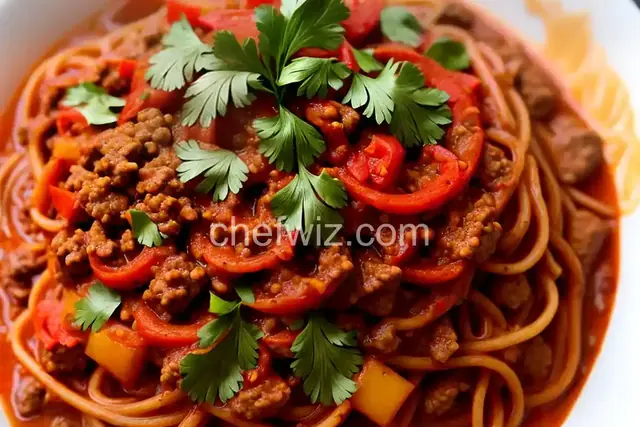 By AprilPublished
 Have you ever wondered what makes Filipino spaghetti sauce so deliciously unique?
Heat oil in a medium saucepan over medium heat until it starts to shimmer.
Add the chopped onion and cook for approximately 5 minutes until it becomes soft.
Stir in the minced garlic and cook for about 30 seconds until it becomes fragrant.
Add the ground beef or pork and use a wooden spoon to break it up into smaller pieces. Cook until it turns brown and is fully cooked, which should take around 5 minutes.
Stir in the hot dogs, banana ketchup, tomato sauce, and sugar. Bring the mixture to a boil.
Reduce the heat to a simmer and continue cooking, stirring occasionally, until the sauce slightly thickens. This should take about 15 minutes.
Remove the saucepan from the heat and season with salt and pepper according to your taste preferences.
Serve the sauce over cooked spaghetti and top it off with grated American or cheddar cheese.
Have you ever wondered what makes Filipino spaghetti sauce so deliciously unique? It's a staple in every Filipino household and is often served during special occasions and family gatherings. The rich and flavorful sauce paired with perfectly cooked pasta is a match made in heaven. In this article, we'll explore the secrets behind this beloved Filipino dish and how you can recreate it in your own kitchen. So, let's dive in and unravel the mystery of the Filipino spaghetti sauce!
One of the key elements that sets Filipino spaghetti sauce apart from other tomato-based sauces is its perfect blend of sweet and savory flavors. Unlike traditional marinara sauces, Filipino spaghetti sauce incorporates a generous amount of sweetness into the mix. This sweetness comes from the addition of brown sugar, banana ketchup, or even condensed milk. The result is a sauce that is both tangy and sweet, with a hint of richness that will leave you craving for more.
Filipino spaghetti sauce is not just about sweetness; it's a symphony of flavors that come together harmoniously. The sauce is typically made with a combination of ground meat, such as beef or pork, onions, garlic, and various spices and herbs. This medley of ingredients creates a robust and complex flavor profile that tantalizes the taste buds. It's a balance of tanginess, umami, and a touch of spiciness that makes every bite a delightful experience.
Now, let's talk about the secret ingredient that gives Filipino spaghetti sauce its distinct taste - hot dogs. Yes, you read that right! Hot dogs are a popular addition to Filipino spaghetti sauce, adding a unique twist to the dish. The hot dogs are sliced into bite-sized pieces and simmered in the sauce, infusing it with their smoky and savory flavor. It may sound unconventional, but trust me, it works like magic!
To complement the flavorful sauce, the pasta plays a crucial role. Filipino spaghetti is traditionally served with spaghetti noodles cooked al dente. This means that the pasta is cooked until it is firm to the bite, giving it a slightly chewy texture. This texture allows the pasta to hold onto the sauce, ensuring that every strand is coated in all its deliciousness. So, make sure you don't overcook your noodles and aim for that perfect al dente bite!
To complete your Filipino spaghetti masterpiece, don't forget the garnish! A sprinkle of grated cheese and a handful of chopped parsley adds an extra layer of flavor and freshness to the dish. And of course, no Filipino spaghetti is complete without a side of garlic bread. The combination of the rich sauce, perfectly cooked pasta, and the garlic-infused bread is a match made in culinary heaven.
Filipino spaghetti sauce is a culinary gem that combines sweet and savory flavors in perfect harmony. The secret lies in the generous blend of sweetness, the symphony of flavors, and the addition of hot dogs. Paired with perfectly cooked al dente pasta, this dish is a crowd-pleaser that will transport you to the vibrant Filipino cuisine. So, why not give it a try and experience the magic of Filipino spaghetti sauce in your own kitchen?
A1: While regular ketchup can be used as a substitute, banana ketchup adds a unique flavor that is characteristic of Filipino spaghetti sauce. If you can, it's best to stick with banana ketchup for an authentic taste.
A2: While spaghetti noodles are the traditional choice, feel free to experiment with other pasta shapes. Just keep in mind that the cooking time may vary, so adjust accordingly.
A3: The level of spiciness can be adjusted to suit your preference. If you prefer a milder sauce, you can reduce or omit the chili flakes or hot sauce.
A4: Absolutely! Ground chicken can be a delicious alternative to beef or pork. It will give your sauce a lighter and milder flavor.
A5: Yes, you can make the sauce in advance and store it in the refrigerator for up to 3 days. This allows the flavors to meld together even more, resulting in an even tastier sauce.
A6: Yes, you can freeze the sauce for up to 3 months. Just make sure to cool it completely before transferring it to a freezer-safe container.
A7: Absolutely! Feel free to add some diced bell peppers, carrots, or mushrooms to the sauce for extra flavor and texture.
A8: Yes, you can make a vegetarian version by substituting the ground meat with plant-based alternatives such as textured vegetable protein (TVP) or lentils. The result will still be deliciously flavorful.
AprilCook, recipe developer and the heart of Chefwiz. More about April