Filipino Ribs
Rate this recipeBe the first to rate
 By AprilPublished
 When it comes to tantalizing your taste buds with a burst of flavor, few dishes can compare to Filipino ribs.
 By AprilPublished
 When it comes to tantalizing your taste buds with a burst of flavor, few dishes can compare to Filipino ribs.
In a 5 to 6 quart stock pot, place the ribs along with the two onions cut into wedges, 4 tablespoons of soy sauce, pepper, and star anise.
Bring all the ingredients to a boil.
Reduce the heat to medium-low, cover the pot, and let the ribs simmer in their juices until they are tender when pierced, which should take about 1 1/4 hours. Stir occasionally.
Meanwhile, heat oil in a medium skillet over medium heat.
Add the remaining chopped onion to the skillet and sauté, stirring often, until the onion is soft.
Blend in the ginger, honey, sugar, Worcestershire sauce, lemon juice, and the remaining 2 tablespoons of soy sauce. Cook all the ingredients together, stirring, until they are well blended. Remove from heat.
Preheat the oven to 400 degrees F (200 degrees C).
Using tongs, remove the ribs from the stock pot and arrange them in a single layer in an 11x16 inch baking dish.
Brush the ribs evenly with the honey mixture.
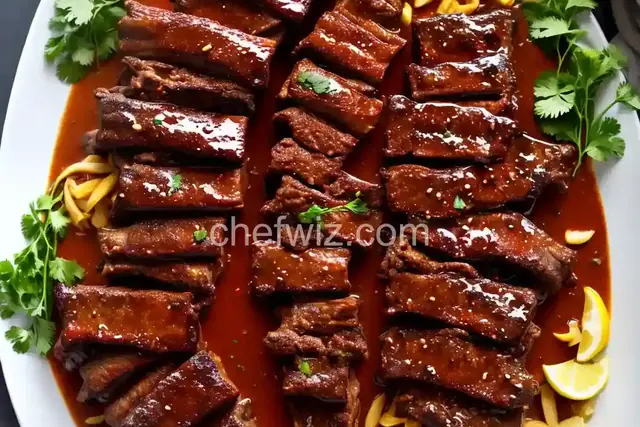
Bake the ribs in the preheated oven, basting often with the pan drippings, for about 30 minutes or until the ribs are well glazed.
When it comes to tantalizing your taste buds with a burst of flavor, few dishes can compare to Filipino ribs. These succulent, tender ribs are a testament to the rich culinary heritage of the Philippines. Whether you're a fan of sweet, savory, or spicy flavors, Filipino ribs have something to offer everyone. So, let's embark on a delicious journey to explore the wonders of Filipino ribs.
Imagine sinking your teeth into juicy, fall-off-the-bone ribs that are infused with a medley of flavors. Filipino ribs are known for their ability to harmonize sweet, tangy, and savory elements into a perfect symphony of taste. The secret lies in the marinade, which typically includes a combination of soy sauce, vinegar, garlic, and various spices. This magical concoction infuses the ribs with flavors that dance on your palate with every bite.
One of the defining features of Filipino ribs is the perfect balance of sweet and savory flavors. The marinade often includes ingredients like brown sugar or pineapple juice, which add a touch of sweetness to counterbalance the savory notes. This delicate balance is what sets Filipino ribs apart and keeps you coming back for more.
If you're a fan of spicy food, Filipino ribs won't disappoint. Many recipes incorporate chili peppers or hot sauce to add a fiery kick to the dish. The heat from the spices cuts through the richness of the meat, creating a tantalizing flavor profile that leaves your taste buds tingling with delight. It's the perfect marriage of heat and flavor that adds an exciting dimension to this already incredible dish.
Preparing Filipino ribs is a labor of love that requires time and patience. The ribs are often marinated for several hours or even overnight to allow the flavors to fully penetrate the meat. This slow marination process ensures that every bite is infused with the essence of the marinade, resulting in a truly remarkable culinary experience.
Once the ribs have been marinated to perfection, it's time to fire up the grill. Grilling the ribs not only imparts a smoky flavor but also creates a beautiful caramelization on the surface, adding an extra layer of depth to the dish. The sizzle of the ribs on the grill is a symphony of sound, a prelude to the mouthwatering feast that awaits.
As the ribs cook, the tantalizing aroma fills the air, teasing your senses and building anticipation for the feast that lies ahead. The combination of flavors, textures, and aromas is a sensory experience like no other. It's a feast for the senses that takes you on a journey of taste and delight.
Filipino ribs are a culinary masterpiece that showcases the diverse and vibrant flavors of the Philippines. From the sweet and savory marinade to the fiery kick of spice, these ribs offer a symphony of flavors that will leave you craving more. So, why not embark on a delicious journey and savor the delights of Filipino ribs? Your taste buds will thank you.
The best cut of meat for Filipino ribs is typically pork spare ribs. The marbling of fat in this cut adds flavor and keeps the meat tender and juicy.
While pork ribs are the traditional choice for Filipino ribs, you can certainly use beef ribs if you prefer. Just keep in mind that the flavors and cooking times may vary.
It's best to marinate the ribs for at least 2-4 hours, or overnight if possible. This allows the flavors to fully penetrate the meat and create a more flavorful end result.
Absolutely! If you don't have access to a grill, you can bake the ribs in the oven. Just follow the same marinating process and adjust the cooking time and temperature accordingly.
Whether or not Filipino ribs are spicy depends on the recipe you use. Some recipes incorporate chili peppers or hot sauce to add a spicy kick, while others focus more on the sweet and savory flavors.
Yes, you can make Filipino ribs in advance. Simply marinate the ribs and store them in the refrigerator until you're ready to cook. This can be a great time-saving option for busy days or when entertaining guests.
Filipino ribs pair well with a variety of side dishes. Some popular choices include steamed rice, grilled vegetables, coleslaw, or a refreshing green salad. Choose side dishes that complement the flavors of the ribs and enhance the overall dining experience.
Absolutely! If you have leftover Filipino ribs, you can freeze them for later enjoyment. Simply place the cooled ribs in an airtight container or freezer bag and store them in the freezer for up to 3 months. Just remember to thaw them properly before reheating.
AprilCook, recipe developer and the heart of Chefwiz. More about April