Faworki (Polish Chrusciki)
Rate this recipeBe the first to rate
 By AprilPublished
 Have you ever tasted a delicate and crispy pastry that melts in your mouth?
 By AprilPublished
 Have you ever tasted a delicate and crispy pastry that melts in your mouth?
In a large bowl, combine flour, egg yolks, sour cream, sugar, butter, rum (or vinegar), and salt. Mix the ingredients together until they form a dough.
Lightly knead the dough, then roll it out on a floured surface.
Cut the rolled-out dough into strips that are 4 inches long and 3/4 inches wide.
Make a slit in the middle of each strip, then twist and pull one end through the slit.
Heat oil in a deep-fryer or large saucepan. To test the temperature, drop in a pastry twist. The oil is ready when the twist browns and floats to the surface.
Fry the pastry twists in batches until they turn golden brown, approximately 1 minute per side.
Once fried, drain the pastry twists on a plate lined with paper towels.
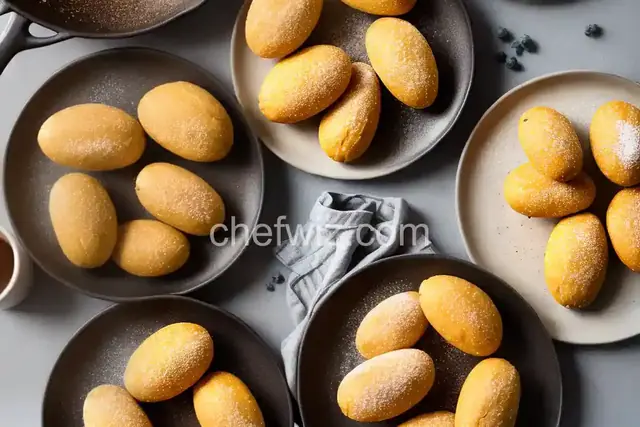
Dust the pastry twists with confectioners' sugar.
Note: If desired, you can substitute vinegar for rum in the dough. This substitution helps the dough to puff up slightly when fried.
Keep in mind that the nutritional value of the oil used for frying may vary depending on cooking time and temperature, ingredient density, and the specific type of oil used. We have determined the nutritional value based on a retention value of 10% after cooking.
Have you ever tasted a delicate and crispy pastry that melts in your mouth? If not, then you must try Faworki, also known as Polish Chrusciki. These heavenly treats are a staple in Polish cuisine and are often enjoyed during special occasions like weddings and holidays. In this article, we will delve into the world of Faworki, exploring their origins, ingredients, and the joy they bring to those who indulge in them.
Like many traditional recipes, the exact origin of Faworki is debated. Some believe that these delectable pastries were introduced to Poland by Italian bakers during the Renaissance. Others claim that Faworki have been a part of Polish culture since medieval times. Regardless of their origin, one thing is certain - Faworki have become an integral part of Polish culinary tradition.
Creating the perfect Faworki requires just a handful of simple ingredients. Flour, eggs, sugar, butter, and a pinch of salt are the essential components of this delightful treat. These ingredients are then combined to form a dough, which is rolled out and cut into delicate ribbons. The ribbons are then deep-fried until they turn golden brown and crispy. Finally, the Faworki are dusted with powdered sugar, adding a touch of sweetness to their already irresistible flavor.
Imagine biting into a piece of Faworki and experiencing a symphony of flavors and textures. The crispy exterior gives way to a light and airy interior, creating a delightful contrast that is sure to satisfy your taste buds. The sweetness of the powdered sugar adds the perfect finishing touch, leaving you longing for another bite.
One of the best things about Faworki is their versatility. You can enjoy them on their own as a delicious snack, or pair them with a cup of hot tea or coffee for a truly indulgent experience. They are also a great addition to any dessert table, adding a touch of elegance and tradition to any occasion.
Faworki, also known as Polish Chrusciki, are a true delight for the senses. Their delicate and crispy texture, combined with a touch of sweetness, makes them irresistible to anyone who tries them. Whether you enjoy them on their own or as part of a larger dessert spread, Faworki are sure to bring joy and satisfaction with every bite. So why not give them a try and experience the magic of Polish cuisine firsthand?
Faworki is pronounced as "fah-vor-kee." The word can be a bit tricky to pronounce at first, but once you master it, you'll be able to impress your friends with your knowledge of Polish cuisine.
Absolutely! While deep-frying is the traditional method of cooking Faworki, you can also achieve delicious results by using a large pot and plenty of oil. Just make sure to heat the oil to the right temperature and carefully monitor the cooking process.
Yes, you can store Faworki in an airtight container for up to a week. However, it's important to note that they are best enjoyed fresh, as their texture may change slightly over time.
No, Faworki are not gluten-free. The main ingredient in Faworki is flour, which contains gluten. If you have a gluten intolerance or allergy, it's best to avoid consuming Faworki.
While the traditional shape of Faworki is ribbons, you can get creative and experiment with different shapes. Try twisting the dough into knots or forming them into bows to add a unique touch to your Faworki.
Faworki are often compared to other fried pastries like Italian Chiacchiere and French Bugnes. While they may share some similarities, each pastry has its own unique characteristics and flavor profiles.
While powdered sugar is the traditional topping for Faworki, you can also try dusting them with cinnamon sugar or drizzling them with chocolate for a different twist.
Not at all! Making Faworki is a fun and rewarding experience. With a little patience and practice, you'll be able to create these delightful pastries in no time.
AprilCook, recipe developer and the heart of Chefwiz. More about April