Fast and Friendly Meatballs
Rate this recipeBe the first to rate
 By AprilPublished
 Are you in the mood for a delicious and satisfying meal? Look no further than meatballs!
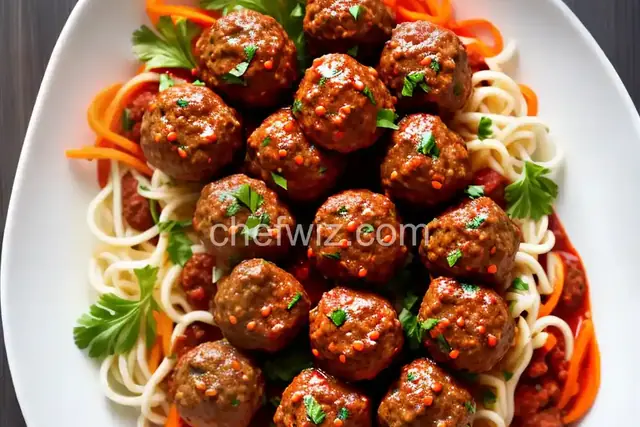 By AprilPublished
 Are you in the mood for a delicious and satisfying meal? Look no further than meatballs!
Preheat the oven to 350 degrees F (175 degrees C).
Grease a 9x13-inch baking dish with oil.
Place the greased baking dish into the oven while it preheats.
In a bowl, combine turkey, bread crumbs, and egg using your hands.
Use an ice cream scoop to shape the mixture into golf ball-sized meatballs.
Remove the baking dish from the oven.
Place the meatballs into the hot dish, ensuring they are about 1 inch apart.
Gently press down on each meatball to slightly flatten the bottom.
Bake in the preheated oven for 15 minutes.
Flip the meatballs over and continue baking for approximately 5 more minutes, until they are somewhat crispy on the outside.
To ensure they are cooked thoroughly, insert an instant-read thermometer into the center of a meatball, which should read at least 165 degrees F (74 degrees C).
If desired, you can substitute lean ground beef for turkey, ensuring that it has at least 7% fat.
Are you in the mood for a delicious and satisfying meal? Look no further than meatballs! These versatile and flavorful bites are a crowd-pleaser, perfect for any occasion. In this article, we will explore the world of meatballs, from their origins to different variations and cooking techniques. Get ready to tantalize your taste buds and learn how to make the most delicious meatballs ever!
Meatballs have a long and rich history, dating back to ancient times. They can be traced back to various cultures, including the Middle East and Europe. In fact, the concept of rolling ground meat into small balls was a practical way to utilize leftover scraps and make the most out of available ingredients.
Meatballs come in many shapes and sizes, each with its own unique flavor profile. From classic Italian-style meatballs to Swedish köttbullar, there is a meatball for every palate. You can even experiment with different types of meat, such as beef, pork, chicken, or even vegetarian options like lentils or mushrooms.
Italian meatballs are perhaps the most famous and beloved variety. Made with a combination of ground beef, breadcrumbs, parmesan cheese, and various herbs and spices, these meatballs are usually simmered in a rich tomato sauce. Serve them over spaghetti for a classic Italian-American dish!
Swedish meatballs are smaller in size and often served with lingonberry sauce and creamy gravy. These meatballs are typically made with a mixture of ground beef and pork, along with breadcrumbs, onions, and warming spices like nutmeg and allspice. They are a staple in Swedish cuisine and are perfect for cozy winter meals.
Now that we know about the different types of meatballs, let's dive into the various cooking techniques that can be used to achieve that perfect, juicy texture.
Baking meatballs in the oven is a healthier alternative to frying. Simply place the formed meatballs on a baking sheet lined with parchment paper and bake them at a high temperature until they are cooked through. This method ensures even cooking and allows the meatballs to retain their shape and moisture.
Frying meatballs in a skillet or deep fryer is a popular method that results in a crispy exterior and a juicy interior. This technique adds a delightful crunch and caramelization to the meatballs. It's important to monitor the heat and turn the meatballs regularly to ensure they cook evenly.
Steaming meatballs is a gentle cooking method that helps retain moisture and creates a tender texture. This technique is commonly used in Asian cuisines, where meatballs are often served in soups or alongside noodles. Steaming is a great option for those looking for a healthier cooking method without sacrificing flavor.
Meatballs are a versatile and delicious dish that can be enjoyed in countless ways. Whether you prefer them in a tomato sauce, with lingonberry jam, or in a comforting soup, meatballs are sure to satisfy your cravings. So gather your ingredients, get creative with your flavors, and enjoy the process of making these fast and friendly meatballs!
Yes, you can freeze meatballs! After cooking, allow them to cool completely, then place them in a freezer-safe container or bag. They can be stored in the freezer for up to three months. When you're ready to enjoy them, simply thaw and reheat as desired.
Absolutely! If you're looking for a gluten-free option or simply want to try something different, you can substitute breadcrumbs with crushed crackers, oats, or even cooked quinoa. These alternatives will still help bind the meatballs together and add a subtle texture.
To prevent meatballs from falling apart, make sure you have enough binding ingredients, such as breadcrumbs or eggs. Additionally, avoid overmixing the meat mixture, as this can lead to a tough texture. Gently combine the ingredients until they are just incorporated.
Yes, you can! Mixing different meats, such as beef and pork, can add complexity and depth to the flavor of your meatballs. Just make sure to adjust the seasoning accordingly to complement the different meats.
The best sauce to serve with meatballs depends on personal preference and the type of meatballs you're making. Classic tomato sauce is a popular choice for Italian-style meatballs, while lingonberry sauce and creamy gravy are perfect for Swedish meatballs. Experiment with different sauces to find your favorite combination!
Absolutely! Vegetarian meatballs can be made using ingredients like lentils, mushrooms, or even tofu. These plant-based alternatives can be just as flavorful and satisfying as traditional meatballs. Get creative with your seasonings and textures to create a delicious vegetarian option.
Meatballs can be a healthy dish depending on the ingredients and cooking method used. Baking or steaming meatballs can reduce the amount of added fats, making them a healthier option. Additionally, using lean meats and incorporating vegetables into the mixture can boost the nutritional value.
Yes, you can! Making meatballs ahead of time can save you time and effort when preparing a meal. Once the meatballs are formed, you can refrigerate them for up to 24 hours before cooking. This allows the flavors to meld together and makes for a more flavorful end result.
AprilCook, recipe developer and the heart of Chefwiz. More about April