Farro Risotto
Rate this recipeBe the first to rate
 By AprilPublished
 Have you ever tried a delicious and comforting bowl of farro risotto?
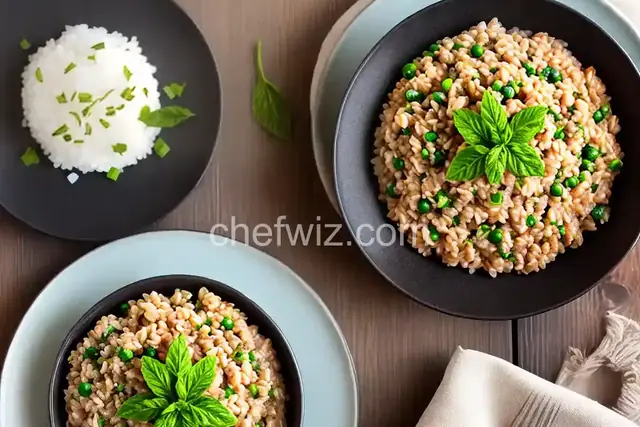 By AprilPublished
 Have you ever tried a delicious and comforting bowl of farro risotto?
In a medium bowl, combine the farro and 4 cups of water. Allow it to soak for 30 minutes, then drain well.
In a small saucepan, heat the broth and keep it warm over low heat.
In a large saucepan or Dutch oven, heat the oil and butter over medium heat. Add the shallots and season with 1/4 teaspoon of salt and 1/4 teaspoon of pepper. Cook until softened, approximately 2 minutes.
Add the drained farro to the saucepan and cook, stirring constantly, until toasted for about 3 minutes.
Pour in the wine and continue stirring until it evaporates, which should take about 2 minutes.
Gradually add 1/2 cup of the hot broth at a time, stirring constantly until it is completely absorbed by the farro. Repeat this step with the remaining broth, adding 1/2 cup at a time, until the farro is creamy and fully cooked. This should take approximately 30 minutes.
Turn off the heat and mix in the currants, pine nuts, feta cheese, and the remaining salt and pepper.
Transfer the mixture to a bowl and serve.
Cook's Note: For toasted pine nuts, spread them out in a single layer on a baking sheet. Bake in a preheated oven at 350 degrees Fahrenheit until they are lightly toasted, about 6 to 8
Have you ever tried a delicious and comforting bowl of farro risotto? If not, you're in for a treat! Farro risotto is a delightful twist on the classic Italian dish, using farro instead of the traditional Arborio rice. This hearty grain adds a nutty flavor and a chewy texture that takes risotto to a whole new level. In this article, we'll explore the wonders of farro risotto and why you should give it a try.
Farro is an ancient grain that has been cultivated for centuries. It is known for its rich nutritional profile, packed with fiber, protein, and a variety of vitamins and minerals. Unlike white rice, farro retains its bran and germ, making it a whole grain with numerous health benefits. This powerhouse ingredient not only tastes great but also provides sustained energy and keeps you feeling full for longer periods. So, if you're looking for a healthy alternative to rice, farro is the way to go!
Imagine a creamy, velvety risotto with a delightful chewiness that keeps you coming back for more. That's the beauty of farro risotto! The unique texture of farro adds a new dimension to the dish, making it a truly satisfying and enjoyable experience. Whether you prefer a classic mushroom risotto or a vibrant vegetable medley, farro can be a versatile base that complements a variety of flavors. So, get creative and experiment with different ingredients to create your own signature farro risotto!
Cooking farro risotto is as simple as cooking traditional risotto. The key is to slowly add liquid, such as broth or wine, and stir continuously until the farro becomes tender and creamy. This process allows the farro to release its starches and create a luscious texture. You can add your favorite vegetables, herbs, and seasonings to enhance the flavor and make it your own. Whether you're a seasoned risotto chef or a beginner in the kitchen, farro risotto is a dish that anyone can master.
Not only does farro risotto taste amazing, but it also offers numerous health benefits. The high fiber content in farro aids in digestion and promotes a healthy gut. It also helps regulate blood sugar levels and can contribute to weight management. The protein in farro is essential for building and repairing tissues, while the vitamins and minerals provide a boost to your immune system. So, not only will you be treating your taste buds with farro risotto, but you'll also be nourishing your body!
In conclusion, farro risotto is a delightful and nutritious alternative to traditional risotto. Its unique nutty flavor and chewy texture add a whole new dimension to the dish, making it a delicious and satisfying meal. Whether you're looking to incorporate more whole grains into your diet or simply want to try something new, farro risotto is a fantastic choice. So, why not give it a go and discover the wonders of farro risotto for yourself?
No, farro contains gluten, so it is not suitable for those with gluten intolerance or celiac disease.
Absolutely! Farro is a versatile grain that can be used in salads, soups, and even as a side dish.
On average, it takes about 30-40 minutes to cook farro risotto to the desired creamy consistency.
Yes, you can add a variety of ingredients such as mushrooms, peas, or butternut squash to create different flavors and textures.
While risotto is best enjoyed immediately after cooking, you can make the base ahead of time and add the final touches when serving.
There are three main types of farro: whole farro, semi-pearled farro, and pearled farro. Whole farro retains the most nutrients, while pearled farro cooks faster.
Yes, you can freeze farro risotto for up to 3 months. Just make sure to store it in an airtight container and thaw it thoroughly before reheating.
Yes, farro risotto can easily be made vegan by using vegetable broth and omitting any dairy or animal-based ingredients.
AprilCook, recipe developer and the heart of Chefwiz. More about April