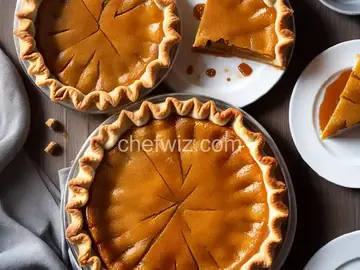
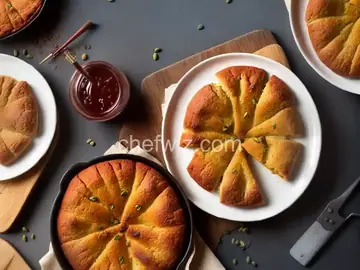
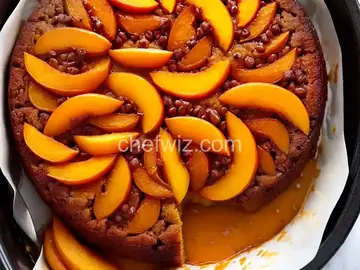
Fanouropita (Greek St. Fanourios Cake)
Rate this recipeBe the first to rate
 By AprilPublished
 Have you ever wondered how a simple cake can be associated with miracles?
 By AprilPublished
 Have you ever wondered how a simple cake can be associated with miracles?
Preheat the oven to 350 degrees F (175 degrees C).
Grease a 12-inch round springform pan.
In a large bowl, combine olive oil, orange juice, and brandy.
Stir in sugar until well mixed.
In another bowl, combine flour, baking soda, and baking powder.
Sift the dry mixture into the oil mixture, stirring well to combine.
Fold in walnuts, raisins, cinnamon, and cloves, making sure all ingredients are evenly distributed.
Transfer the batter into the prepared springform pan and smooth out the top.
Sprinkle sesame seeds over the top of the batter.
Place the pan in the preheated oven and bake for 45 to 60 minutes.
To check if it's done, insert a skewer into the center of the cake - it should come out clean.
Once cooked, remove from the oven and let it cool before serving.
Have you ever wondered how a simple cake can be associated with miracles? Well, let me introduce you to the Fanouropita, a traditional Greek cake that is not only a delicious treat but also carries a fascinating story. In this article, we will delve into the origins of Fanouropita, the significance it holds, and the reasons behind its popularity. So, grab a cup of coffee and join me on this journey of discovery!
Like many traditional recipes, Fanouropita is deeply rooted in history and tradition. It is believed to have originated in the 9th century in honor of St. Fanourios, a Greek Orthodox saint. Legend has it that this cake was created to commemorate the saint's feast day, which falls on August 27th.
St. Fanourios is known as the finder of lost objects and the revealer of hidden truths. It is said that if someone bakes a Fanouropita and offers it to the saint, he will help them find what they have lost or reveal what was once hidden. This belief has made Fanouropita a popular offering among the Greek Orthodox community, especially during times of distress or when something valuable goes missing.
Every ingredient in Fanouropita carries a symbolic meaning, further adding to its mystical allure. The cake is made with a simple combination of flour, sugar, oil, and wine. Let's dive deeper into the symbolism behind these ingredients:
The flour represents the basic sustenance of life. Just as bread nourishes the body, Fanouropita symbolizes the spiritual nourishment that St. Fanourios provides to those who seek his help.
Sugar, with its sweet taste, represents the blessings and joy that St. Fanourios brings into people's lives. It serves as a reminder that even in times of difficulty, there is always sweetness to be found.
Oil signifies the light of faith and hope. Just as oil illuminates the darkness, St. Fanourios shines a guiding light on the path of those who are lost, helping them find their way.
Wine symbolizes the blood of Christ and represents the divine intervention that St. Fanourios brings into the lives of those who seek his assistance. It is a reminder of the miracles that can happen through faith.
Baking Fanouropita is not just about mixing ingredients and putting them in the oven. It is a spiritual journey filled with prayers and intentions. The process of making Fanouropita involves lighting a candle, saying specific prayers, and reciting the names of lost or hidden things that need to be found or revealed.
As the cake bakes, it fills the kitchen with an enticing aroma that serves as a reminder of the miraculous power of St. Fanourios. The act of offering the cake to the saint is considered an act of faith and gratitude, acknowledging his ability to bring blessings into one's life.
One of the beautiful aspects of Fanouropita is its role in fostering a sense of community and togetherness. In Greek Orthodox churches, it is customary for people to gather on St. Fanourios' feast day and bring their homemade Fanouropita to be blessed by a priest. The cakes are then shared among the community members, symbolizing the unity and support that the church provides.
Fanouropita is also a popular treat during other religious celebrations and family gatherings. It is often served with a cup of Greek coffee or tea, creating a delightful combination of flavors.
Fanouropita is more than just a cake. It is a symbol of faith, hope, and community. The belief in the miraculous powers of St. Fanourios has made this humble dessert a cherished tradition in Greek culture. So, the next time you find yourself in need of guidance or searching for something lost, why not try baking a Fanouropita? Who knows, you might just uncover a miracle!
Absolutely! The tradition of baking Fanouropita is not limited to the Greek Orthodox community. Anyone can bake it and seek the blessings of St. Fanourios.
While it is not mandatory, saying the traditional prayers adds to the spiritual experience and enhances the connection with St. Fanourios.
Yes, if you prefer to omit wine, you can substitute it with grape juice or even water. The symbolic meaning will still hold true.
Yes, there are regional variations that incorporate additional ingredients like nuts, dried fruits, or spices. These variations add a unique twist to the traditional recipe.
Yes, you can freeze Fanouropita for future consumption. Just make sure to wrap it tightly in plastic wrap or place it in an airtight container to prevent freezer burn.
Yes, you can use gluten-free flour to make a gluten-free version of Fanouropita. The taste and symbolism will remain intact.
Absolutely! You can bake Fanouropita for someone else who is in need of St. Fanourios' help. It is a beautiful gesture of support and solidarity.
While it is traditionally associated with St. Fanourios' feast day, there is no strict
AprilCook, recipe developer and the heart of Chefwiz. More about April