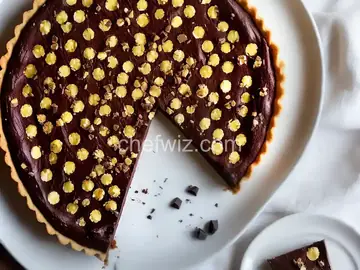
Exquisite Pie
Rate this recipeBe the first to rate
 By AprilPublished
 Do you ever find yourself craving a delicious, mouth-watering pie?
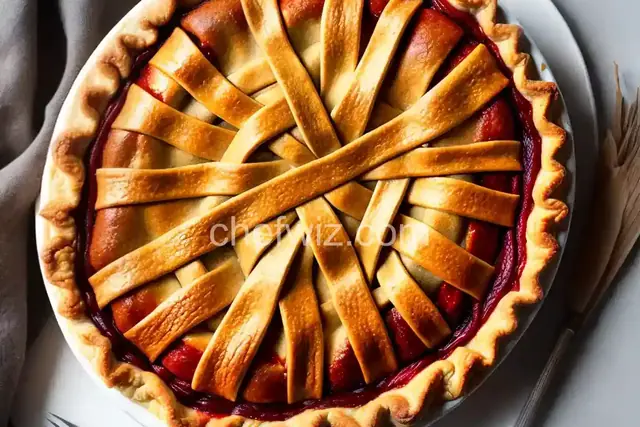 By AprilPublished
 Do you ever find yourself craving a delicious, mouth-watering pie?
Preheat the oven to 325 degrees F (165 degrees C).
In a large mixing bowl, mix together the eggs, sugar, and butter until smooth.
Add vinegar, vanilla, and lemon juice to the mixture and thoroughly combine.
Fold in the pecans, coconut, and raisins.
Pour the mixture into the pie shells.
Bake in the preheated oven for approximately 40 minutes, or until the center is completely set.
Do you ever find yourself craving a delicious, mouth-watering pie? Whether it's a warm apple pie on a chilly autumn evening or a refreshing key lime pie on a hot summer day, there's something truly magical about indulging in a slice of this exquisite dessert. In this article, we will explore the world of pies, their history, and the art of creating the perfect pie.
Did you know that pies have been enjoyed by civilizations for thousands of years? From ancient Egypt to medieval Europe, pies have always been a popular delicacy. The concept of enclosing a filling in a pastry shell dates back to the time of the ancient Greeks, who were known for their love of baked goods. Over time, pies have evolved and adapted to various cultures and cuisines, resulting in a wide array of flavors and styles.
Creating a perfect pie requires a delicate balance of ingredients, technique, and love. Just like a painter carefully selects their colors and brushes, a pie maker meticulously chooses their ingredients and tools. From selecting the freshest fruits to creating the flakiest crust, every step in the pie-making process is crucial.
One of the secrets to a great pie lies in the crust. A well-made crust should be tender, buttery, and golden brown. It should crumble under your fork, yet hold its shape when sliced. Achieving the perfect crust requires a combination of cold butter, a light touch, and a little bit of patience.
Another important aspect of a delicious pie is the filling. Whether you prefer a classic fruit filling or a rich custard, the key is to use high-quality ingredients and balance the flavors. The sweetness of the filling should complement the buttery crust, creating a harmonious blend of textures and tastes.
Pies come in all shapes and sizes, each offering a unique experience for the taste buds. From traditional favorites like apple and pumpkin to more adventurous flavors like chocolate bourbon pecan and coconut cream, there's a pie for every palate and occasion.
One popular variety is the savory pie, which often features ingredients like meat, vegetables, and spices. These pies are perfect for a hearty lunch or dinner, offering a comforting and satisfying meal in every bite.
In conclusion, pies are more than just a dessert – they are an art form. The history, craftsmanship, and variety of flavors make pies a beloved treat for people all over the world. So the next time you find yourself craving something sweet or savory, why not indulge in an exquisite pie? You won't be disappointed.
Yes, pies can be frozen. To freeze a pie, wrap it tightly in plastic wrap or aluminum foil and place it in the freezer. When ready to eat, simply thaw it in the refrigerator and reheat if desired.
The baking time for pies can vary depending on the recipe and the type of pie. On average, pies can take anywhere from 30 minutes to an hour to bake. It's important to follow the recipe instructions and keep an eye on the pie as it bakes.
Absolutely! Store-bought crusts can be a convenient option for those short on time or not confident in their pastry-making skills. Just make sure to follow the package instructions for the best results.
To prevent a soggy crust, you can blind bake it before adding the filling. This involves partially or fully baking the crust before adding the filling, which helps to create a barrier between the crust and the filling, preventing it from becoming soggy.
Yes, you can make a pie without using eggs. There are many eggless pie recipes available that use alternative ingredients like cornstarch or tofu as a binding agent.
Absolutely! There are many gluten-free pie crust recipes available that use alternative flours like almond flour or rice flour. You can also find gluten-free pie fillings or adapt traditional recipes to be gluten-free.
Leftover pie should be stored in the refrigerator to keep it fresh. Cover it with plastic wrap or place it in an airtight container to prevent it from drying out or absorbing odors from other foods.
Yes, you can make a pie without using sugar. There are many sugar-free pie recipes available that use alternative sweeteners like honey or maple syrup. Just make sure to adjust the sweetness to your liking.
Yes, you can make a pie without a pie tin. You can use a baking dish or even a cast iron skillet to bake your pie. Just make sure to adjust the cooking time and keep an eye on the crust to prevent it from burning.
AprilCook, recipe developer and the heart of Chefwiz. More about April