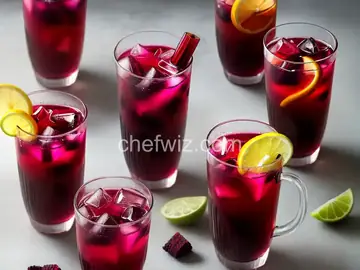
Electric Lemonade
Rate this recipeBe the first to rate
 By AprilPublished
 Are you tired of the same old lemonade? Looking for a way to add a little spark to your summer parties?
 By AprilPublished
 Are you tired of the same old lemonade? Looking for a way to add a little spark to your summer parties?
Place ice cubes into a Collins glass.
Pour sour mix, vodka, and blue curacao over the ice.
Fill the glass to the brim with lemon-lime soda.
Add a lemon wedge as a garnish.
Serve the drink with a straw.
Are you tired of the same old lemonade? Looking for a way to add a little spark to your summer parties? Look no further than Electric Lemonade! This vibrant and refreshing twist on a classic drink is sure to brighten up any occasion. In this article, we will explore the origins of Electric Lemonade, how to make it, and answer some common questions about this delightful beverage.
Electric Lemonade first gained popularity in the 1980s as a signature cocktail at a trendy nightclub. Its bright blue color and tangy taste quickly made it a hit among party-goers. Over the years, the recipe has evolved, with different variations and additions to suit different tastes.
The secret behind the electric part of Electric Lemonade lies in the addition of blue curaçao, a vibrant blue liqueur made from the dried peels of bitter oranges. This bold and eye-catching ingredient not only gives the drink its distinct color but also adds a subtle citrus flavor that complements the tartness of the lemonade.
Making Electric Lemonade is a breeze. Here's a simple recipe to get you started:
And there you have it - your very own Electric Lemonade!
Electric Lemonade is a fun and refreshing twist on a classic drink. With its vibrant blue color and tangy taste, it's sure to be a hit at your next gathering. Whether you choose to enjoy it with or without alcohol, this drink is a crowd-pleaser. So why not give it a try and add a little spark to your summer?
Absolutely! Simply omit the vodka from the recipe, and you'll still have a delicious and refreshing non-alcoholic version of Electric Lemonade.
Yes! While vodka is the most commonly used spirit in Electric Lemonade, you can experiment with different types of alcohol, such as rum or tequila, to create your own unique twist.
Absolutely! Simply adjust the quantities of the ingredients according to the number of servings you need. Mix everything together in a pitcher, and you're ready to go!
Absolutely! Get creative and experiment with different fruit flavors. You can add a splash of cranberry juice for a tart twist or muddle some fresh berries for a burst of sweetness.
While Electric Lemonade is best enjoyed fresh, you can prepare a large batch of the lemonade base and store it in the refrigerator. When ready to serve, simply add the blue curaçao and any other desired ingredients.
Absolutely! If you prefer a sweeter drink, you can add a little simple syrup or agave nectar to taste.
Absolutely! While a tall glass is traditionally used for Electric Lemonade, you can serve it in any glassware you prefer. Get creative and have fun!
Absolutely! If you prefer a more homemade touch, you can squeeze fresh lemons to make your own lemonade. Simply adjust the quantities of lemon juice and sweetener to taste.
AprilCook, recipe developer and the heart of Chefwiz. More about April