Eggplant Bread
Rate this recipeBe the first to rate
 By AprilPublished
Have you ever tried incorporating vegetables into your bread?
 By AprilPublished
Have you ever tried incorporating vegetables into your bread?
Prepare the grill for high heat.
Pierce the eggplant a few times with a fork or knife.
Place the eggplant on the grill, cover, and cook, turning every 8 to 10 minutes, until completely charred on all sides and the flesh is soft when pressed (approximately 25 to 30 minutes).
Transfer the cooked eggplant to a large bowl and let it cool slightly for 10 minutes.
Preheat the oven to 325 degrees F. Spray an 8 1/2-inch-by-4 1/2-inch loaf pan with nonstick cooking spray.
Remove the eggplant from the bowl and gently squeeze it to crack the skin and expose the flesh. Use a spoon to scoop out the flesh into a colander set over a bowl (approximately 1 1/3 cups of flesh). Allow it to sit for 10 minutes to drain excess moisture.
Transfer the drained eggplant flesh to a large bowl. Add vegetable oil, vanilla, and eggs to the bowl and whisk until well combined.
In a separate medium bowl, whisk together flour, brown sugar, granulated sugar, baking powder, baking soda, and kosher salt.
Add the flour mixture to the eggplant mixture and fold with a rubber spatula until everything is combined.
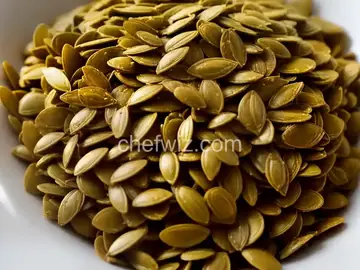
Fold in 1 cup of the pistachios.
Transfer the batter to the prepared loaf pan.
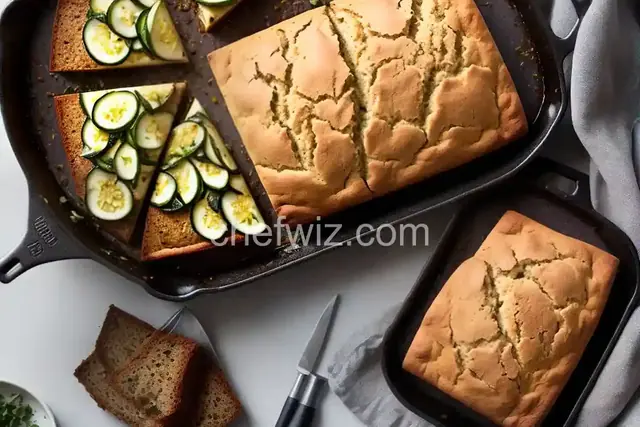
Have you ever tried incorporating vegetables into your bread? If not, then you're in for a treat! In this article, we will explore the wonders of eggplant bread and how it can be a delicious and nutritious addition to your baking repertoire.
Eggplant bread is a unique and mouthwatering bread variation that combines the earthy flavors of eggplant with the comforting taste of freshly baked bread. It's a wonderful way to sneak in some vegetables into your diet while indulging in a hearty loaf.
The process of making eggplant bread involves pureeing cooked eggplant and incorporating it into the bread dough. The pureed eggplant adds moisture and a subtle flavor to the bread, resulting in a soft and tender texture.
Absolutely! You can use any type of eggplant for making eggplant bread. Whether it's the classic large purple eggplant or the smaller Japanese eggplant, they all work wonderfully in this recipe.
1. Nutritional Boost: Eggplants are packed with vitamins, minerals, and antioxidants, making them a healthy addition to your bread. By incorporating eggplant into your bread, you're adding a nutritional boost to your baked goods.
2. Unique Flavor: The mild and slightly sweet flavor of eggplant adds a unique twist to the traditional bread recipe. It's a delightful surprise for your taste buds!
3. Moisture and Texture: The moisture content in eggplant helps keep the bread moist and tender. You'll end up with a loaf that stays fresh for longer.
Eggplant bread is versatile and can be enjoyed in various ways:
Yes, eggplant bread can be frozen for future use. Simply slice the bread, wrap it tightly in plastic wrap or foil, and store it in the freezer. When you're ready to enjoy it, thaw the slices and toast them for a delicious treat.
Eggplant bread is a delightful and nutritious way to incorporate vegetables into your baking endeavors. With its unique flavor and moist texture, it's a bread that will surely impress your taste buds. So why not give it a try and elevate your bread-making game?
While eggplant is the star of this recipe, you can experiment with other vegetables like zucchini or pumpkin to create your own unique bread variations.
The traditional recipe for eggplant bread typically uses wheat flour, which contains gluten. However, you can explore gluten-free alternatives like almond flour or gluten-free all-purpose flour to make a gluten-free version of eggplant bread.
Absolutely! Feel free to add your favorite spices or herbs to enhance the flavor of the bread. Popular choices include garlic, oregano, basil, or even a sprinkle of Parmesan cheese.
When stored properly in an airtight container, eggplant bread can stay fresh for up to 3-4 days at room temperature. However, it's best enjoyed within the first couple of days for optimal taste and texture.
Yes, you can make eggplant bread without a bread machine. Simply follow a standard bread recipe and incorporate the pureed eggplant into the dough during the kneading process.
The flavor of eggplant in the bread is subtle and mellow. It adds a hint of earthiness without overpowering the overall taste of the bread. Even if you're not a fan of eggplant, you might still enjoy the unique flavor combination.
Yes, you can use frozen eggplant for making eggplant bread. Thaw the frozen eggplant before cooking and pureeing it for the bread recipe.
Absolutely! Eggplant bread can be a delicious base for making French toast. Soak the slices in your favorite French toast batter and cook them until golden brown for a delightful breakfast treat.
Yes, you can add seeds or nuts to the bread dough for an added crunch and nutritional boost. Consider options like sesame seeds, sunflower seeds, or chopped walnuts.
AprilCook, recipe developer and the heart of Chefwiz. More about April