Eggless Pasta
Rate this recipeBe the first to rate
 By AprilPublished
 When it comes to pasta, most of us think of the classic recipe with eggs.
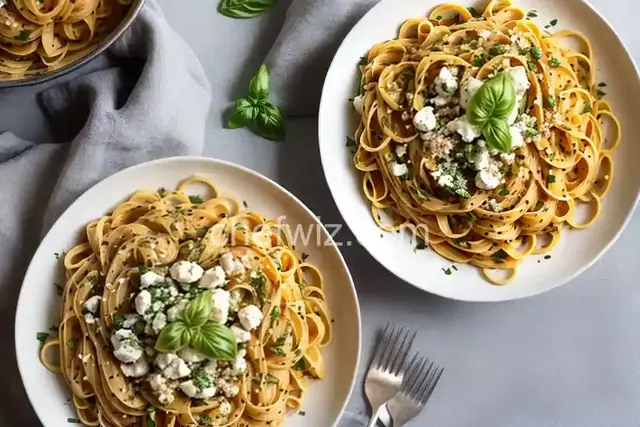 By AprilPublished
 When it comes to pasta, most of us think of the classic recipe with eggs.
In a large bowl, combine flour and salt.
Add warm water to the mixture and stir until a stiff dough forms. If the dough seems too dry, you can add more water.
Place the dough onto a lightly floured surface and shape it into a ball.
Knead the dough for 10 to 15 minutes.
Cover the dough and let it rest for 20 minutes.
Take 1/4 of the dough at a time, keeping the rest covered to prevent it from drying out.
Roll the dough by hand to a thickness of 1/16 inch. If you are using a pasta machine, stop at the third to the last setting.
Cut the pasta into desired shapes.
Bring a large pot of lightly salted water to a boil.
Cook the pasta in the boiling water for 3 to 5 minutes, or until it is tender yet firm to the bite.
Drain the cooked pasta.
When it comes to pasta, most of us think of the classic recipe with eggs. But did you know that you can enjoy a delicious plate of pasta without using any eggs? Yes, you heard it right! Eggless pasta is a fantastic alternative that not only caters to dietary restrictions but also offers a unique flavor and texture.
There are various reasons why someone might choose to go for eggless pasta. Some people have dietary restrictions or allergies that prevent them from consuming eggs. Others may follow a vegan lifestyle and prefer to avoid animal products altogether.
Eggless pasta is also a great option for those who are looking to reduce their cholesterol intake or simply want to try something new. It can be a wonderful way to experiment with flavors and textures, creating a dish that is both tasty and satisfying.
So, how do you make pasta without eggs? The secret lies in the ingredients. Instead of eggs, you can use alternatives such as water, vegetable puree, or even tofu. These ingredients not only act as binding agents but also add a unique twist to the taste and color of the pasta.
By using water or vegetable purees like spinach or beetroot, you can create vibrant and colorful pasta that will surely impress your dinner guests. The possibilities are endless, and you can get creative with different flavors and combinations.
When it comes to cooking eggless pasta, the process is pretty similar to traditional pasta. You start by boiling water and adding a pinch of salt. Once the water reaches a rolling boil, you can add your eggless pasta and cook it until al dente.
Since eggless pasta can have a slightly different texture, it's essential to keep an eye on it while cooking. Test a small piece to ensure it's cooked to your liking. Once done, drain the pasta and toss it with your favorite sauce or toppings.
One of the exciting aspects of eggless pasta is its versatility. You can experiment with various flavors to create a dish that suits your taste buds. For example, if you're a fan of herbs, you can add chopped basil or oregano to the pasta dough for a burst of freshness.
Alternatively, you can infuse your pasta with spices like paprika or turmeric to give it a unique and vibrant color. The possibilities are endless, and you are only limited by your imagination.
Eggless pasta is a fantastic alternative to traditional pasta, offering a world of flavors and possibilities. Whether you have dietary restrictions or simply want to try something new, eggless pasta is a delightful twist on tradition. With its vibrant colors and unique taste, it's sure to impress your taste buds and dinner guests alike.
No, eggless pasta is not necessarily gluten-free. The absence of eggs doesn't guarantee that the pasta is gluten-free. If you require gluten-free pasta, you should look for specific brands that cater to this dietary requirement.
Yes, you can use egg substitutes like flaxseeds or chia seeds mixed with water as a binding agent in eggless pasta. These substitutes work well and can add a nutritional boost to your dish.
Eggless pasta has a slightly different taste compared to traditional pasta. It may be lighter and have a more neutral flavor, allowing the other ingredients in the dish to shine. The taste can also vary depending on the alternative ingredient used.
Eggless pasta generally takes about the same time to cook as traditional pasta. However, it's essential to keep an eye on it and test for doneness, as the texture can differ slightly.
Yes, you can freeze eggless pasta just like traditional pasta. Make sure to cook it al dente, drain it well, and let it cool before freezing. When you're ready to eat, simply thaw it and reheat it with your favorite sauce.
Absolutely! You don't need a pasta machine to make eggless pasta. You can roll out the dough using a rolling pin and then cut it into your desired shapes. It may take a bit more effort, but the end result will be just as delicious.
When making eggless pasta, it's crucial to knead the dough well to achieve the desired texture. You may need to adjust the amount of water or vegetable puree depending on the consistency of the dough. Don't be afraid to experiment and find the perfect balance.
Absolutely! You can mix eggless pasta with traditional pasta to create a unique combination. It can add an exciting twist to your dish, both in terms of flavor and presentation.
AprilCook, recipe developer and the heart of Chefwiz. More about April