Eggless Milkless Butterless Cake
Rate this recipeBe the first to rate
 By AprilPublished
 Are you in the mood for a delicious cake but don't have any eggs, milk, or butter?
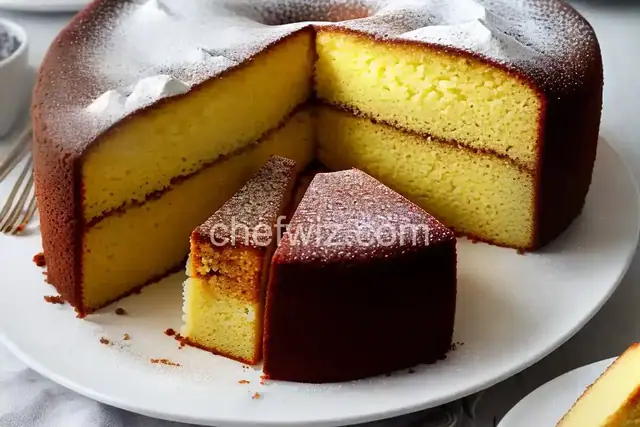 By AprilPublished
 Are you in the mood for a delicious cake but don't have any eggs, milk, or butter?
Preheat the oven to 350 degrees F (175 degrees C).
Lightly grease an 8 or 9 inch square cake pan.
In a saucepan over medium-high heat, combine the sugar, shortening, ground cinnamon, ground nutmeg, ground allspice, salt, raisins, and water.
Bring the mixture to a boil and let it boil for 5 minutes.
Remove the saucepan from the heat and let the mixture cool.
In a separate bowl, sift together the flour, baking powder, and baking soda.
Add the sifted flour mixture to the cooled raisin mixture.
Stir the ingredients together until just combined.
Pour the batter into the prepared pan.
Bake at 350 degrees F (175 degrees C) for 20 minutes.
Are you in the mood for a delicious cake but don't have any eggs, milk, or butter? Don't worry, because we have the perfect solution for you! In this article, we will explore the world of eggless, milkless, and butterless cakes, and show you how to create a mouthwatering treat without these traditional ingredients.
Before we dive into the world of eggless, milkless, and butterless cakes, let's address the burning question - why would anyone want to make a cake without these staple ingredients?
Well, there are several reasons why someone might opt for an eggless, milkless, and butterless cake. It could be due to dietary restrictions, allergies, or simply a desire to try something new and experiment with different flavors and textures. Whatever the reason, rest assured that you can still create a delicious and indulgent cake without these ingredients.
Now that we understand the motivation behind an eggless, milkless, and butterless cake, let's explore the secret ingredients that will make your cake moist, fluffy, and absolutely irresistible.
One of the key substitutes for eggs in baking is applesauce. Not only does it add moisture to the cake, but it also acts as a binding agent. The natural sugars in applesauce also contribute to the sweetness of the cake.
As for milk, you can use alternatives such as almond milk, soy milk, or coconut milk. These plant-based options provide a creamy texture and enhance the overall flavor of the cake.
When it comes to butter, you can replace it with vegetable oil or margarine. Both options work well and ensure that your cake remains moist and tender.
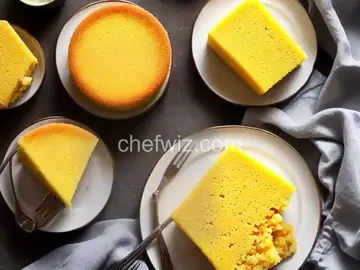
Now that we have our secret ingredients, let's dive into the recipe for an eggless, milkless, and butterless cake. Remember, the beauty of this recipe is its versatility, so feel free to experiment with flavors and add your own personal touch.
Start by preheating your oven and greasing your cake pan. In a mixing bowl, combine the dry ingredients such as flour, sugar, baking powder, and a pinch of salt. In a separate bowl, mix the wet ingredients, including applesauce, milk alternative, and vegetable oil or margarine.
Slowly add the wet ingredients to the dry mixture, stirring until well combined. Pour the batter into the prepared cake pan and smoothen the top with a spatula. Bake in the preheated oven for the recommended time or until a toothpick inserted into the center comes out clean.
Once the cake is baked, remove it from the oven and let it cool completely before frosting or serving. You can get creative with the frosting, using alternatives such as whipped coconut cream or a dairy-free cream cheese frosting.
Now comes the moment of truth - how does an eggless, milkless, and butterless cake taste? You might be pleasantly surprised to find that it tastes just as delicious as a traditional cake. The moistness and flavors of the cake are not compromised in any way, thanks to the clever use of alternative ingredients.
So, the next time you find yourself without eggs, milk, or butter, don't fret. Whip up an eggless, milkless, and butterless cake and indulge in a delightful treat that proves you don't need all the traditional ingredients to create something extraordinary.
Eggless, milkless, and butterless cakes are not only possible but also incredibly delicious. With a few simple substitutions, you can create a cake that is moist, flavorful, and suitable for various dietary preferences or restrictions. So, don't be afraid to explore the world of alternative baking and surprise your taste buds with a unique and delightful treat!
Yes, you can experiment with fruit purees like mashed bananas or pureed prunes as substitutes for eggs. They add moisture and help bind the ingredients together.
Absolutely! You can choose from a variety of milk alternatives such as almond milk, soy milk, oat milk, or rice milk. Each alternative will bring its own unique flavor to the cake.
While vegetable oil is the recommended substitute for butter, you can certainly use olive oil if you prefer. Just keep in mind that olive oil has a distinct flavor that might affect the taste of the cake.
To make the cake gluten-free, you can use a gluten-free flour blend instead of regular all-purpose flour. There are many options available in stores or you can make your own blend using ingredients like rice flour, almond flour, and tapioca flour.
Absolutely! Adding nuts, chocolate chips, or any other desired mix-ins is a great way to enhance the flavor and texture of the cake. Just make sure to fold them into the batter gently.
The cake can stay fresh for up to 3-4 days if stored in an airtight container at room temperature. You can also refrigerate it to prolong its freshness.
Yes, you can easily adapt this recipe for cupcakes. Just adjust the baking time accordingly, as cupcakes tend to bake faster than a whole cake.
Apart from fruit purees, you can also use ingredients like yogurt, buttermilk, or vinegar as egg substitutes. Each substitute will have a slightly different effect on the texture and flavor of the cake.
AprilCook, recipe developer and the heart of Chefwiz. More about April