Easy Sponge Cake
Rate this recipeBe the first to rate
 By AprilPublished
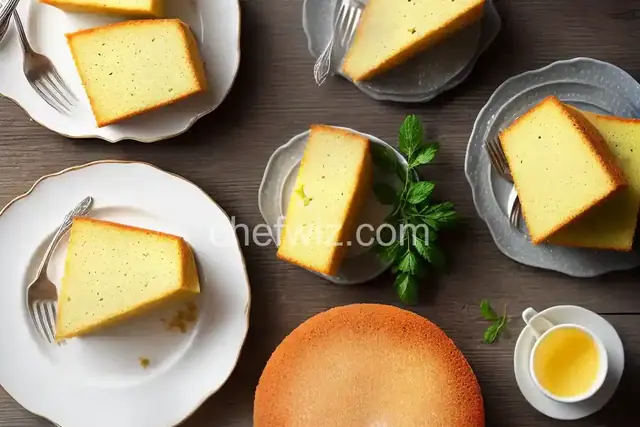
 Who doesn't love a light and fluffy sponge cake? It's a classic dessert that never fails to impress.
 By AprilPublished
 Who doesn't love a light and fluffy sponge cake? It's a classic dessert that never fails to impress.
Adjust the oven rack to the center position and preheat the oven to 350°F.
Butter the bottoms and sides of two 8-inch cake pans.
Line the bottom of each pan with a circle of parchment paper.
In the bowl of a stand mixer fitted with a paddle attachment, or in a large bowl using a hand mixer, cream together the butter and sugar on medium speed until light and fluffy.
In a small bowl, lightly beat the eggs with a fork.
With the mixer running, gradually add the eggs to the butter mixture, making sure each addition is fully incorporated before adding more. Scrape down the sides of the bowl if needed.
Add the vanilla extract and milk to the mixture and mix until well combined. The mixture should resemble whipped butter after each addition.
Remove the bowl from the mixer.
In a medium bowl, whisk together the flour, baking powder, and salt.
Using a rubber spatula, gently fold the flour mixture into the wet mixture in three additions, until fully incorporated.
Divide the cake batter evenly between the prepared pans and smooth the tops with a spatula.
Bake in the preheated oven for 30 to 40 minutes, or until the tops are golden brown and a toothpick inserted into the centers comes out clean. The center of each cake should spring back when lightly pressed.
Who doesn't love a light and fluffy sponge cake? It's a classic dessert that never fails to impress. Whether you're celebrating a special occasion or just want to satisfy your sweet tooth, a homemade sponge cake is the perfect treat. In this article, we'll explore the joy of baking an easy sponge cake and share some tips and tricks to ensure your cake turns out perfectly every time.
Imagine sinking your fork into a slice of cake that melts in your mouth. That's what a well-made sponge cake offers. Its airy texture, delicate crumb, and subtle sweetness make it an irresistible dessert. The secret to achieving this perfection lies in the unique technique used to prepare the batter.
Baking a sponge cake is like creating a delicate work of art. It requires precision and patience. The batter is made by gently folding together the ingredients, ensuring not to deflate the air bubbles that give the cake its lightness. The cake rises in the oven, thanks to the trapped air, creating a beautiful, fluffy masterpiece.
The key to a successful sponge cake is using high-quality ingredients. Fresh eggs, soft flour, and pure vanilla extract can make a world of difference. When it comes to eggs, room temperature ones work best. They incorporate more air into the batter, resulting in a lighter cake.
Measuring accurately is crucial when making a sponge cake. Even the slightest variation can affect the texture and rise of the cake. Use a kitchen scale to weigh the ingredients for precise measurements. It's a small step that can yield big results.
Now that we understand the basics, let's dive into some helpful tips to ensure your sponge cake turns out flawlessly:
Sifting the flour before adding it to the batter helps to remove any lumps and aerate it. This will result in a lighter and more even-textured cake.
When incorporating the dry ingredients into the batter, use a gentle folding motion. This will prevent deflating the air bubbles and maintain the cake's lightness.
Overmixing the batter can lead to a dense and tough cake. Mix just until the ingredients are combined, and no streaks of flour remain.
Ensure your cake doesn't stick by greasing the pan generously with butter or oil. You can also line the bottom with parchment paper for added insurance.
Don't forget to preheat your oven to the specified temperature. A hot oven is crucial for the cake to rise properly.
Baking a sponge cake may seem intimidating at first, but with the right techniques and a little practice, it becomes a delightful and rewarding experience. From choosing the best ingredients to mastering the folding technique, each step contributes to creating a perfect sponge cake. So, gather your ingredients, preheat your oven, and let the magic begin!
A1: Yes, you can use self-rising flour, but adjust the leavening agents accordingly to avoid an overly risen cake.
A2: You can add a teaspoon of your favorite extract, such as almond or lemon, to infuse your sponge cake with flavor.
A3: Yes, you can replace eggs with alternative ingredients like applesauce, mashed bananas, or yogurt for an eggless sponge cake.
A4: A sinking cake can be caused by overmixing the batter, opening the oven door too early, or an oven temperature that's too low.
A5: Store your sponge cake in an airtight container at room temperature for up to three days. You can also refrigerate it to extend its shelf life.
A6: Yes, you can freeze a sponge cake. Wrap it tightly in plastic wrap and then in aluminum foil before storing it in the freezer for up to three months.
A7: Yes, you can use a different size pan, but keep in mind that the baking time may vary. Adjust the baking time accordingly and keep an eye on the cake as it bakes.
A8: Absolutely! Once your sponge cake has cooled completely, you can frost it with your favorite frosting and decorate it as desired.
AprilCook, recipe developer and the heart of Chefwiz. More about April