Easy Scalloped Potatoes
Rate this recipeBe the first to rate
 By AprilPublished
 Are you looking for a comforting and delicious side dish that will elevate your meal?
 By AprilPublished
 Are you looking for a comforting and delicious side dish that will elevate your meal?
Preheat the oven to 350 degrees F (175 degrees C).
Grease a casserole dish with cooking spray.
Arrange a layer of potatoes in the bottom of the prepared casserole dish.
Cover the potatoes with a layer of cheese, then sprinkle some flour on top.
Season the potatoes and cheese with salt and pepper.
Repeat the layering process with the remaining potatoes, cheese, and flour.
Pour milk over the top of the layers.
Cover the dish with aluminum foil.
Bake in the preheated oven for about 45 minutes or until the potatoes are tender when pierced with a fork.
Remove the foil and continue baking for an additional 10 to 15 minutes, or until the cheese is bubbly and starts to brown.
Are you looking for a comforting and delicious side dish that will elevate your meal? Look no further than easy scalloped potatoes! These creamy and cheesy potatoes are the perfect accompaniment to any main course. Whether you're hosting a dinner party or simply want to treat yourself, this recipe is a winner. Let's dive into the world of scalloped potatoes and discover just how simple and delightful they can be.
Imagine thin slices of tender potatoes, bathed in a rich and velvety sauce, and baked to perfection. That's scalloped potatoes in a nutshell. This classic dish is a staple in many households, and for a good reason. The combination of potatoes, cream, cheese, and seasonings creates a harmonious symphony of flavors that is hard to resist. Plus, the crispy golden crust on top adds a delightful crunch to each bite.
When it comes to making scalloped potatoes, not all potatoes are created equal. You'll want to choose a starchy potato variety, such as Russet or Yukon Gold, as they have a higher starch content. This allows the potatoes to become tender and creamy as they bake, without turning mushy. These potatoes also have a mild flavor that complements the other ingredients in the dish.
Before you start assembling the dish, it's important to properly prep the potatoes. Start by washing and peeling them, then slice them into thin, even rounds. You can use a mandoline slicer for uniform slices, or simply use a sharp knife. The thickness of the slices is a matter of personal preference, but aim for around 1/8-inch thick for even cooking. Once sliced, give the potatoes a quick rinse to remove excess starch.
One of the stars of scalloped potatoes is the creamy sauce that envelops the potato slices. This sauce is usually made with a combination of heavy cream, milk, butter, and cheese. The cream and milk create a luscious base, while the butter adds richness and a velvety texture. As for the cheese, the most commonly used variety is cheddar, but feel free to experiment with other types like Gruyere or Parmesan.
Now comes the fun part - layering the potatoes and sauce in a baking dish. Start by spreading a thin layer of the sauce on the bottom of the dish to prevent sticking. Then, create alternating layers of potatoes and sauce until you run out of ingredients. Make sure to season each layer with salt, pepper, and any other desired spices. This ensures that every bite is well-seasoned and full of flavor.
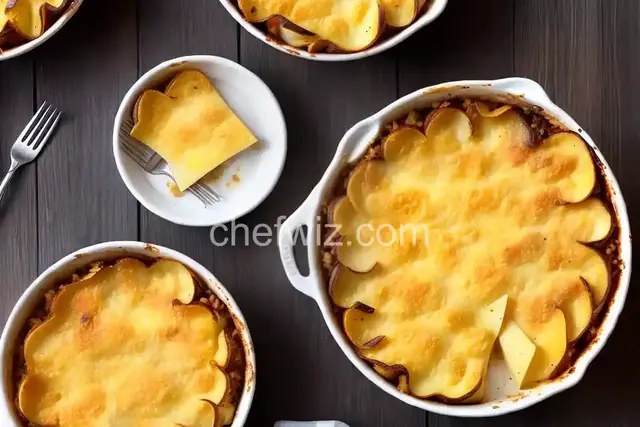
Once you've layered everything, cover the dish with foil and bake in a preheated oven. The foil helps trap the moisture, allowing the potatoes to cook evenly and become tender. After some time, remove the foil and continue baking until the top is golden and crispy. This step is crucial for achieving that irresistible crunch on the surface of the dish. Once the potatoes are fork-tender and the top is beautifully browned, your scalloped potatoes are ready to be devoured.
Easy scalloped potatoes are a comforting and versatile side dish that will elevate any meal. With their creamy texture, cheesy goodness, and crispy top, they are a crowd-pleaser that never fails to impress. Whether you're cooking for a special occasion or simply want to indulge in a delicious treat, give this recipe a try. Your taste buds will thank you!
Yes, you can! Prepare the dish as instructed, but instead of baking it, cover it tightly and refrigerate. When you're ready to serve, simply pop it in the oven and bake until heated through.
Absolutely! While cheddar is the classic choice, you can experiment with other cheeses to create unique flavor profiles. Gruyere, Parmesan, or even a combination of different cheeses can work wonders.
Of course! Scalloped potatoes can be customized to your liking. You can add ingredients like bacon, caramelized onions, or even a sprinkling of herbs for extra flavor.
Yes, you can! There are dairy-free alternatives available, such as using coconut milk or a plant-based cream substitute. You can still achieve a creamy and delicious result without dairy.
To reheat leftover scalloped potatoes, simply place them in a covered dish and warm them in the oven until heated through. You can also reheat individual servings in the microwave.
Yes, you can freeze scalloped potatoes. Prepare the dish as instructed, let it cool completely, then wrap it tightly in plastic wrap and foil before freezing. Thaw it in the refrigerator overnight before reheating.
Absolutely! Sweet potatoes can add a unique twist to the dish. Just keep in mind that they have a different texture and slightly sweeter flavor compared to regular potatoes.
Yes, you can easily adjust the recipe to make a smaller or larger batch. Just keep the proportions in mind and adjust the cooking time accordingly.
AprilCook, recipe developer and the heart of Chefwiz. More about April