Easy Roasted Vegetables
Rate this recipeBe the first to rate
 By AprilPublished
 Are you looking for a simple and healthy side dish that will satisfy your taste buds?
 By AprilPublished
 Are you looking for a simple and healthy side dish that will satisfy your taste buds?
Preheat the oven to 400 degrees F (200 degrees C).
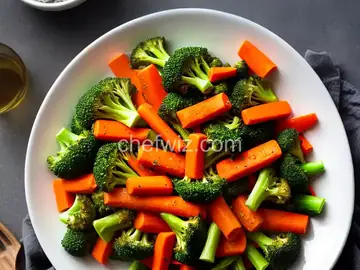
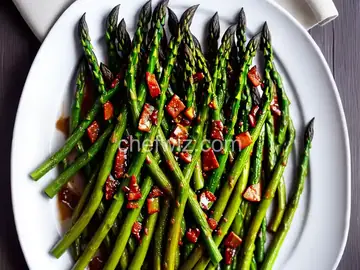
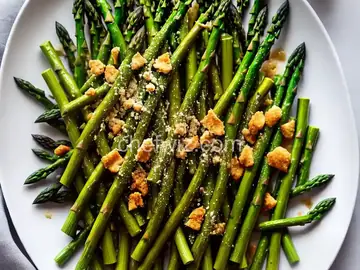
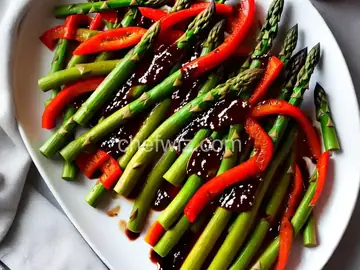
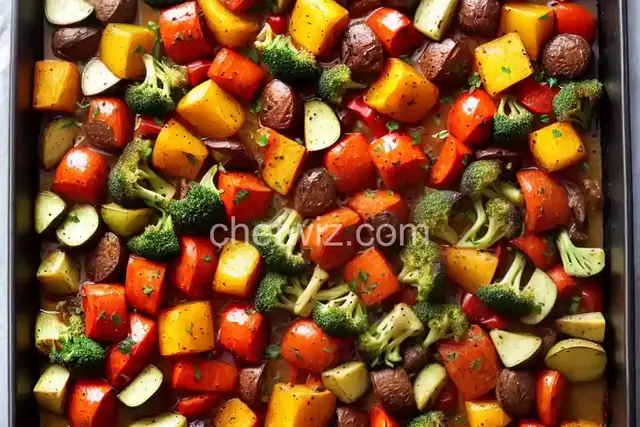
In a large bowl, mix together cauliflower, broccoli, asparagus, carrots, bell pepper, and onion.
In a small bowl, whisk together olive oil, lemon juice, garlic, rosemary, salt, and pepper until well combined.
Drizzle the olive oil mixture over the vegetables and toss to coat them evenly.
Transfer the coated vegetables to 2 rimmed baking sheets.
Roast the vegetables in the preheated oven for 20 to 25 minutes, tossing them occasionally, until they are tender.
Are you looking for a simple and healthy side dish that will satisfy your taste buds? Look no further than easy roasted vegetables! This versatile dish not only adds a burst of flavor to any meal, but it also provides a plethora of essential nutrients. Whether you're a seasoned chef or a novice in the kitchen, roasting vegetables is a foolproof way to elevate your culinary skills. In this article, we'll explore the benefits of roasted vegetables and provide you with some tips and tricks to make the perfect dish every time.
Roasting vegetables is not only a delicious way to enjoy your greens, but it also offers numerous health benefits. By roasting vegetables, you're able to retain more of their natural flavors and nutrients compared to other cooking methods. The high heat of the oven caramelizes the sugars in the vegetables, resulting in a slightly sweet and deeply savory taste.
Furthermore, roasting vegetables enhances their texture, giving them a delightful crispy exterior while maintaining a tender and juicy interior. This contrast in textures adds a pleasant mouthfeel to your dish, making it more enjoyable to eat.
Roasted vegetables are also incredibly versatile. You can mix and match different vegetables to create a colorful and visually appealing plate. From vibrant bell peppers to hearty root vegetables like carrots and potatoes, the possibilities are endless. Plus, roasted vegetables can be seasoned with a variety of herbs and spices, allowing you to customize the flavors to suit your preferences.
Now that you understand the benefits of roasted vegetables, let's dive into the process of making them. Here are some tips and tricks to ensure your dish turns out perfectly every time:
When it comes to roasting vegetables, not all varieties are created equal. Some vegetables, like broccoli and Brussels sprouts, crisp up beautifully in the oven, while others, such as leafy greens, are better enjoyed raw. Opt for vegetables that have a firmer texture and can withstand the heat without turning mushy.
To ensure even cooking, it's crucial to cut your vegetables into uniform pieces. This way, they will all cook at the same rate, resulting in perfectly roasted vegetables with a consistent texture.
Preheating your oven is essential to achieving crispy and caramelized vegetables. A hot oven will sear the outside of the vegetables, locking in the flavors and creating that irresistible golden-brown crust.
Coating your vegetables with a drizzle of oil and your favorite seasonings is a crucial step in the roasting process. The oil helps the vegetables cook evenly and promotes browning, while the seasonings enhance their flavors. Experiment with different herbs, spices, and even a sprinkle of Parmesan cheese to elevate the taste.
Avoid overcrowding your baking sheet as this can lead to steaming instead of roasting. Give each vegetable enough space to breathe and spread out evenly. This will allow the hot air to circulate around the vegetables, ensuring they cook evenly and develop that desirable crispness.
Keep a close eye on your vegetables as they roast. Cooking times may vary depending on the size and type of vegetables you're using. You want them to be tender on the inside and lightly browned on the outside. It's better to slightly undercook them than to overcook them and end up with mushy vegetables.
Once your vegetables are perfectly roasted, remove them from the oven and let them cool for a few minutes. Serve them as a side dish to complement your main course or toss them with some cooked pasta for a wholesome and satisfying meal.
Easy roasted vegetables are a delightful and nutritious addition to any meal. With their rich flavors, tantalizing textures, and endless customization options, they are sure to impress even the most discerning palates. Whether you're a vegetable enthusiast or someone looking to incorporate more greens into your diet, roasted vegetables are a fantastic choice. So why wait? Grab your favorite vegetables, preheat your oven, and embark on a culinary adventure that will leave you craving for more.
While fresh vegetables are ideal for roasting, you can also use frozen vegetables. However, keep in mind that frozen vegetables may release more moisture, resulting in a slightly different texture.
Absolutely! Roasted vegetables can be prepared in advance and stored in the refrigerator for a few days. Simply reheat them in the oven or enjoy them cold in salads or wraps.
Roasted vegetables are a fantastic option for both vegetarian and vegan diets. They provide a wide range of vitamins, minerals, and fiber, making them a nutritious addition to any plant-based meal.
Yes, you can roast different vegetables together. Just be mindful of the cooking times of each vegetable and adjust accordingly. Harder vegetables may need a longer cooking time than softer ones.
To prevent sticking, line your baking sheet with parchment paper or a silicone baking mat. This will create a non-stick surface and make cleanup a breeze.
Absolutely! Olive oil is a popular choice for roasting vegetables due to its mild flavor and high smoke point. However, you can also experiment with other oils like avocado oil or coconut oil for a different taste.
Yes, you can roast vegetables on a grill. Simply place them in a grill basket or wrap them in foil and cook over medium heat until they are tender and charred.
Leftover roasted vegetables are incredibly versatile. You can use them in salads, wraps, stir-fries, or even as a topping for pizzas. Get creative and let your taste buds guide you!
AprilCook, recipe developer and the heart of Chefwiz. More about April