Easy Profiteroles
Rate this recipeBe the first to rate
 By AprilPublished
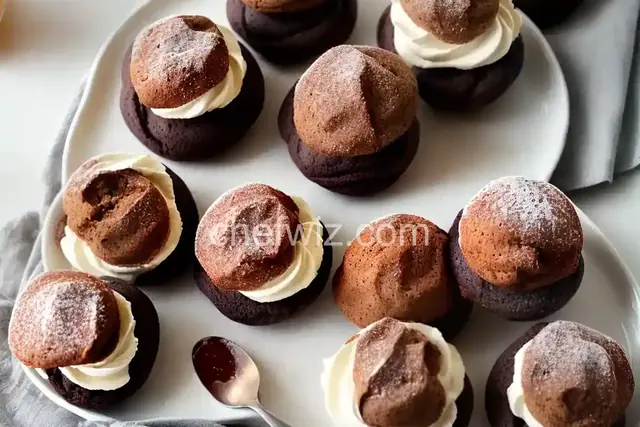
 Who doesn't love a light and fluffy profiterole? These delightful French pastries are the perfect treat for any occasion.
 By AprilPublished
 Who doesn't love a light and fluffy profiterole? These delightful French pastries are the perfect treat for any occasion.
Adjust the oven rack to the center position and preheat the oven to 425°F.
Line two baking sheets with parchment paper.
In a medium pot or pan, heat the water, salt, and butter over medium heat. Once the butter has melted and the edges start to bubble, add all of the flour at once.
Stir with a wooden spoon until the dough comes together, about 2 minutes.
Transfer the dough to the bowl of a stand mixer fitted with a paddle attachment or a medium bowl if using a hand mixer.
Mix on medium speed until the dough is no longer releasing steam, about 3 to 5 minutes.
Crack the eggs into a small bowl and break them apart using a fork.
Add the eggs a tablespoon or two at a time to the dough, mixing until fully incorporated.
Continue adding the eggs a tablespoon or two at a time until the dough is thick and glossy.
Spoon the dough into a pastry bag fitted with a large round tip.
Pipe the dough onto the prepared baking sheets, making mounds that are 1 inch wide by 1 inch tall and 2 inches apart from each other.
Use a wet finger to tap down and level out the peaks on the dough.
Bake for about 20 minutes until the puffs are golden brown. Make sure they are uniformly golden brown and sound
Who doesn't love a light and fluffy profiterole? These delightful French pastries are the perfect treat for any occasion. Whether you're looking to impress your guests or simply satisfy your sweet tooth, profiteroles are a must-try. In this article, we'll explore the world of easy profiteroles, discussing everything from their origins to tips for making them at home. So, let's dive in and discover the magic of these delectable desserts!
Profiteroles, also known as cream puffs, have a rich history dating back to the 16th century. These light and airy pastries were created by French chefs who sought to showcase their culinary skills. The word "profiterole" comes from the French word "profit," which means to make a profit or take advantage of something. It's a fitting name for these little treats, as they are truly a delight to taste!
At the heart of every profiterole is the choux pastry. This unique dough is made by combining flour, water, butter, and eggs. The key to achieving a light and fluffy texture lies in the technique. As the dough bakes, the moisture in the butter and eggs creates steam, causing the pastry to puff up. The result is a hollow shell, ready to be filled with delicious cream or ice cream.
Creating the perfect choux pastry requires a few key tips and tricks. First, make sure to use room temperature eggs. Cold eggs can cause the dough to seize, resulting in a dense pastry. Second, when adding the flour, do it all at once and stir vigorously to avoid lumps. Lastly, make sure to pipe the dough onto a baking sheet using a piping bag or a spoon. This will ensure uniform-sized profiteroles that bake evenly.
Now that you have your perfectly baked profiteroles, it's time to fill them with delicious cream. The classic choice is vanilla pastry cream, a smooth and creamy custard-like filling. However, the possibilities are endless! You can experiment with different flavors such as chocolate, strawberry, or even matcha. For an extra indulgent touch, drizzle some melted chocolate or caramel sauce over the top.
Profiteroles are best enjoyed fresh, so make sure to fill and serve them shortly after baking. Arrange them on a platter and dust with powdered sugar for an elegant presentation. You can also serve them with a side of whipped cream or a scoop of your favorite ice cream. These bite-sized treats are perfect for parties, afternoon tea, or as a special dessert for a romantic dinner.
Profiteroles are a delightful treat that can elevate any occasion. With their light and airy pastry shells and creamy fillings, they are an irresistible indulgence. Whether you're a seasoned baker or a novice in the kitchen, making easy profiteroles is a rewarding experience. So, gather your ingredients, follow our tips, and get ready to enjoy the magic of these delectable French pastries. Bon appétit!
Yes, you can freeze profiteroles! Once they are baked and cooled, place them in an airtight container or freezer bag and freeze for up to a month. When ready to enjoy, simply thaw them at room temperature and fill them with your desired cream.
Absolutely! Mini profiteroles are a fun and adorable twist on the classic. Simply use a smaller piping tip or spoon to create bite-sized pastries. The baking time may be slightly shorter, so keep an eye on them as they bake.
Yes, it is possible to make gluten-free profiteroles. Simply substitute the all-purpose flour with a gluten-free flour blend. Keep in mind that the texture may be slightly different, but they will still be delicious!
To prevent your profiteroles from collapsing, make sure not to open the oven door while they are baking. The sudden change in temperature can cause them to deflate. Additionally, make sure they are fully cooked before removing them from the oven.
Absolutely! While sweet profiteroles are more common, you can also make savory versions. Fill them with ingredients like cheese, ham, or smoked salmon for a delightful appetizer or snack.
Yes, you can make profiteroles without a piping bag. Simply use a spoon to drop dollops of the dough onto a baking sheet. Keep in mind that the shape may be less uniform, but they will still taste delicious!
While profiteroles are best enjoyed fresh, you can make them in advance. Bake the shells and store them in an airtight container for up to a day. When ready to serve, simply fill them with cream and enjoy!
If you have any leftover profiteroles, store them in the refrigerator in an airtight container. They will stay fresh for up to two days. To revive their crispness, you can briefly reheat them in a preheated oven before serving.
AprilCook, recipe developer and the heart of Chefwiz. More about April