Easy Prime Rib Roast
Rate this recipeBe the first to rate
 By AprilPublished
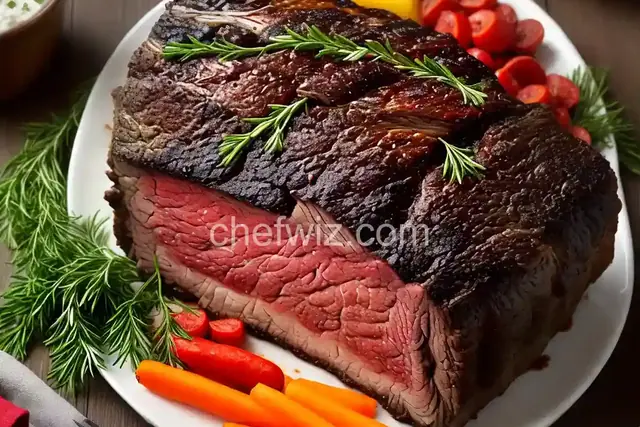
 Are you ready to impress your dinner guests with a mouthwatering prime rib roast?
 By AprilPublished
 Are you ready to impress your dinner guests with a mouthwatering prime rib roast?
In a small bowl, combine garlic, rosemary, sage, thyme, salt, and pepper.
Spread the garlic mixture evenly over the entire roast.
Make a cut down the center of the roast, following the bone line.
Place the roast in a plastic roasting bag and pour Worcestershire sauce and soy sauce into the bag, focusing on the cut in the roast.
Tie the bag securely and refrigerate the roast, turning it occasionally, for at least 2 hours.
Remove the roast from the refrigerator and let it come to room temperature for 1 to 2 hours.
Discard the marinade and place the roast, fat-side up, in a roasting pan.
Preheat the oven to 500 degrees F (260 degrees C).
Bake the roast in the preheated oven for 15 minutes.
Lower the oven temperature to 350 degrees F (175 degrees C) and continue cooking until the internal temperature reaches 145 degrees F (65 degrees C), approximately 1 hour.
Allow the roast to rest for 20 minutes before slicing.
Note: The nutrition information provided includes the full amount of marinade ingredients, but the actual amount consumed may vary.
Tip: You can marinate the roast in a plastic bag typically used for vegetables from the grocery store.
Are you ready to impress your dinner guests with a mouthwatering prime rib roast? Look no further! In this article, we will guide you through the process of preparing an easy prime rib roast that will have everyone begging for seconds.
Prime rib roast, also known as standing rib roast, is a classic and luxurious cut of beef. It is taken from the rib section of the cow and is known for its rich flavor and tender, juicy meat. This cut is often served during special occasions and holidays.
When selecting your prime rib roast, there are a few things to consider. Look for a roast that has a good amount of marbling, as this will ensure a moist and flavorful end result. Additionally, make sure the roast has been aged for at least a few days, as this will further enhance its tenderness and taste.
Before cooking your prime rib roast, it's important to let it come to room temperature. This allows for more even cooking and helps to retain the meat's natural juices. You can also season the roast with your favorite herbs and spices, such as rosemary, thyme, garlic, and salt.
There are several methods you can use to cook your prime rib roast, depending on your preference and the equipment you have available. The most common methods include:
Oven roasting is the traditional and most popular method for cooking prime rib roast. This method involves placing the roast on a rack in a roasting pan and cooking it at a high temperature for a few minutes, then reducing the temperature to allow for slow and even cooking.
If you prefer a smoky flavor and some charred edges, grilling your prime rib roast is a great option. Preheat your grill to medium-high heat and sear the roast on all sides before reducing the heat and cooking it indirectly until your desired level of doneness is reached.
If you have a sous vide machine, you can achieve perfect results every time. Season your prime rib roast, vacuum-seal it, and cook it in the sous vide water bath at a precise temperature for a few hours. Finish it off by searing it in a hot pan or on the grill for a beautiful crust.
When cooking your prime rib roast, it's essential to monitor its internal temperature to achieve your desired level of doneness. Here are some general guidelines:
A rare prime rib roast will have a bright red center and a cool temperature. The meat will be very tender and juicy.
A medium-rare prime rib roast will have a warm red center and a slightly firmer texture. The meat will still be juicy and flavorful.
A medium prime rib roast will have a pink center and a firmer texture. The meat will still be moist and delicious.
If you prefer your meat well done, cook your prime rib roast until it reaches an internal temperature of 160째F (71째C). The meat will be fully cooked but may be slightly less juicy.
Once your prime rib roast has reached your desired level of doneness, it's essential to let it rest before carving. This allows the juices to redistribute throughout the meat, resulting in a more tender and flavorful roast. Aim to let it rest for at least 15-20 minutes.
When it's time to carve your prime rib roast, make sure to use a sharp knife and slice it against the grain. This will ensure tender slices that are easy to chew and enjoy.
Preparing an easy prime rib roast doesn't have to be intimidating. With the right cut of meat, proper seasoning, and cooking method, you can create a show-stopping dish that will leave your guests in awe. So go ahead, take on the challenge, and savor every bite of your delicious prime rib roast.
The cooking time for a prime rib roast varies depending on the size of the roast and the desired level of doneness. As a general rule of thumb, plan for about 15-20 minutes of cooking time per pound of meat.
It's best to thaw your prime rib roast before cooking it for more even and predictable results. Thaw the roast in the refrigerator for a couple of days or use the defrost function on your microwave if you're short on time.
Prime rib roast pairs well with a variety of side dishes. Some popular options include roasted vegetables, mashed potatoes, Yorkshire pudding, and horseradish sauce.
Yes, using a meat thermometer is highly recommended to ensure accurate results. Insert the thermometer into the thickest part of the roast, away from the bone, to get an accurate reading.
Absolutely! To reheat leftover prime rib roast, preheat your oven to a low temperature, around 275째F (135째C). Place the sliced meat on a baking sheet and cover it with foil to prevent it from drying out. Heat for about 10-15 minutes or until warmed through.
Yes, you can freeze leftover prime rib roast. Wrap the individual slices or the whole roast tightly in plastic wrap and then place it in a freezer-safe bag or container. It can be stored in the freezer for up to 3 months.
To ensure a juicy prime rib roast, make sure to let the roast come to room temperature before cooking, use a meat thermometer to avoid overcooking, and let the roast rest before carving. These steps will help retain the meat's natural juices and result in a tender and moist roast.
Yes, the drippings from the prime rib roast can be used to make a flavorful gravy. Simply strain the dripp
AprilCook, recipe developer and the heart of Chefwiz. More about April