Easy Pavlova
Rate this recipeBe the first to rate
 By AprilPublished
 Are you looking for a delicious and impressive dessert to wow your guests?
 By AprilPublished
 Are you looking for a delicious and impressive dessert to wow your guests?
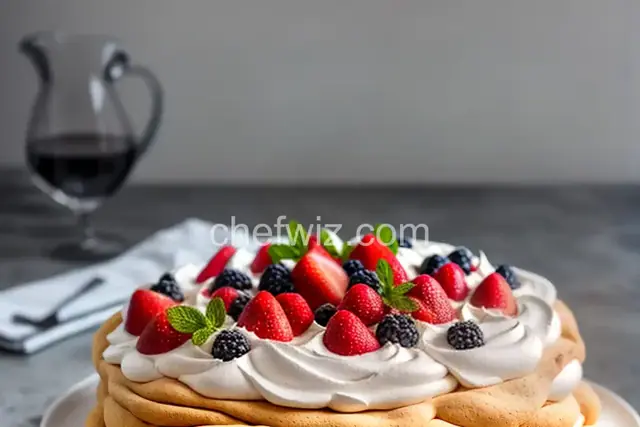
Are you searching for a fancy dessert to impress your guests at your next dinner party? Give this delicate pavlova a try! This kiwi-topped pavlova has a crispy crust and a fluffy filling that is guaranteed to steal the show.
Pavlova is a dessert made with meringue that originated in Australia or New Zealand. It is named after Anna Pavlova, a famous Russian ballerina. The dish features a crunchy meringue crust, a light and creamy whipped cream filling, and a delicious fruit topping.
Here are the ingredients you'll need to make this pavlova recipe:
- Egg whites
- Sugar
- Cornstarch
- Vanilla extract
- Lemon juice
- Heavy cream
- Kiwi (or other fruit of your choice)
Now, let's dive into the step-by-step instructions for making this homemade pavlova:
Preheat your oven to 300 degrees F (150 degrees C).
Line a baking sheet with parchment paper and draw a 9-inch circle on the paper.
In a large bowl, beat the egg whites until they become stiff but not dry.
Gradually add the sugar, about 1 tablespoon at a time, while continuing to beat the mixture well after each addition. Keep beating until the mixture becomes thick and glossy.
Gently fold in the cornstarch, vanilla extract, and lemon juice.
Spoon the mixture inside the circle drawn on the
Are you looking for a delicious and impressive dessert to wow your guests? Look no further than pavlova! This light and airy dessert is the perfect combination of crispy meringue and soft, creamy center. In this article, we'll walk you through how to make an easy pavlova that will have everyone asking for the recipe.
Pavlova is a dessert that originated in Australia or New Zealand (the exact origin is still a topic of debate). It is named after the Russian ballerina, Anna Pavlova, and is said to have been created in her honor during one of her tours in the 1920s. The dessert consists of a meringue base that is crispy on the outside and soft and marshmallow-like on the inside. It is typically topped with whipped cream and fresh fruits, such as berries or kiwi.
The key to a successful pavlova is in the meringue. To make the meringue, you will need egg whites, sugar, and cream of tartar. The egg whites should be at room temperature for best results. Beat the egg whites until they form soft peaks, then gradually add the sugar and cream of tartar while continuing to beat until stiff peaks form. The meringue should be glossy and hold its shape when spooned onto a baking sheet.
After preparing the meringue, it's time to bake it. Preheat your oven to a low temperature, around 250°F (120°C). Spoon the meringue onto a baking sheet lined with parchment paper, forming a circle or oval shape. Use the back of a spoon to create a well in the center of the meringue, which will hold the cream and fruit later. Bake the pavlova for about an hour and a half, or until the outside is crisp and dry. The inside should remain soft and marshmallow-like. Once baked, let the pavlova cool completely before topping.
Once the pavlova has cooled, it's time to add the finishing touches. Whip some heavy cream until it forms stiff peaks, then spoon it into the well in the center of the pavlova. Top with your choice of fresh fruits, such as berries, kiwi, or passion fruit. The combination of the sweet meringue, creamy whipped cream, and tart fruits is simply divine. Serve immediately and watch as your guests marvel at your culinary skills!
Yes, you can make the pavlova ahead of time. Simply store the cooled meringue in an airtight container at room temperature for up to two days. However, it's best to add the whipped cream and fruit just before serving to prevent the meringue from becoming soggy.
While fresh fruit is preferred for the topping, you can use frozen fruit in a pinch. Thaw the fruit before using and pat it dry to remove excess moisture. This will ensure that the pavlova stays crisp.
Absolutely! Instead of making one large pavlova, you can spoon the meringue into individual portions on a baking sheet. Adjust the baking time accordingly, as smaller pavlovas will bake faster than a larger one.
If you don't have cream of tartar on hand, you can substitute it with an equal amount of lemon juice or white vinegar. These acidic ingredients help stabilize the egg whites and create a fluffy meringue.
Absolutely! You can add vanilla extract, almond extract, or even citrus zest to the meringue for added flavor. Just be careful not to add too much liquid, as it can affect the texture of the meringue.
Yes, pavlova is naturally gluten-free as it does not contain any flour. However, be sure to check the labels of any additional ingredients you use, such as toppings or flavorings, to ensure they are also gluten-free.
Yes, you can make a dairy-free pavlova by using a non-dairy whipped topping, such as coconut whipped cream. Just be sure to check the labels of any additional ingredients you use to ensure they are also dairy-free.
While it is possible to freeze pavlova, it is not recommended as the texture may change once thawed. It's best to enjoy pavlova fresh for the best taste and texture.
Now that you have all the information you need, it's time to whip up your own easy pavlova. Whether you're hosting a dinner party or simply treating yourself, this elegant dessert is sure to impress. Enjoy!
AprilCook, recipe developer and the heart of Chefwiz. More about April