Easy Homemade Pasta Dough
Rate this recipeBe the first to rate
 By AprilPublished
 Are you a pasta lover? Do you find yourself craving that perfect al dente texture and rich flavor?
 By AprilPublished
 Are you a pasta lover? Do you find yourself craving that perfect al dente texture and rich flavor?
Collect all the necessary ingredients.
In a bowl, combine the flour, eggs, olive oil, and salt, mixing until well blended.
Gradually add water, one teaspoon at a time, to the flour mixture until a smooth and thick dough is formed.
Transfer the dough onto a lightly floured work surface and knead for approximately 10 minutes.
Allow the dough to rest for 5 to 10 minutes.
Divide the dough into 8 equal-sized balls.
Utilize a pasta machine to roll and cut the dough into the desired pasta shape.
For an ideal result, this dough is perfect for making homemade linguine or ravioli using a manual pasta machine. In case the dough becomes too sticky, lightly coat it with flour.
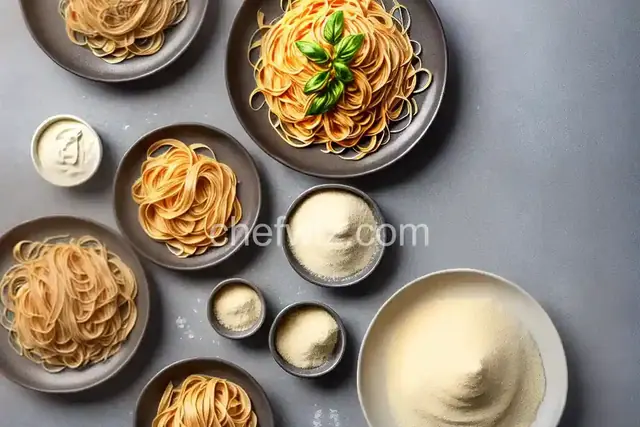
This recipe yields enough pasta for either 24 small raviolis or 4 servings of linguine. Regardless of the pasta type, boiling should take no longer than 4 to 6 minutes.
Are you a pasta lover? Do you find yourself craving that perfect al dente texture and rich flavor? Well, look no further! In this article, we will guide you through the process of making easy homemade pasta dough from scratch. It's simpler than you think!
Before we dive into the recipe, let's cover the basics of pasta dough. Think of pasta dough as a blank canvas, ready to be transformed into a masterpiece. It consists of just a few simple ingredients: flour, eggs, salt, and sometimes water. These ingredients come together to create a smooth and elastic dough that can be shaped into various pasta shapes.
When it comes to choosing the right flour for your pasta dough, you have options. All-purpose flour is a popular choice, but if you want to take your pasta to the next level, consider using semolina flour. Semolina adds a golden color and a slightly nutty flavor to your pasta.
The perfect ratio for pasta dough is one egg to every 100 grams of flour. This ratio ensures that the dough has enough moisture to come together without being too sticky. Of course, you can always adjust the ratio to suit your preference. If you like your pasta dough to be richer, add an extra egg. If you prefer a lighter texture, use less egg.
Now that we have covered the basics, let's dive into the process of making homemade pasta dough. It's a hands-on experience that will leave you feeling accomplished and ready to enjoy a delicious meal.
In a large bowl, combine the flour and salt. Make a well in the center and crack in the eggs. Using a fork, gradually whisk the eggs, slowly incorporating the flour. Once the dough starts to come together, switch to your hands and knead until you have a smooth and elastic dough.
Kneading is a crucial step in pasta dough making. It helps develop the gluten in the flour, giving your pasta that desirable chewy texture. So, take your time and enjoy the process. Feel the dough transform under your hands.
Once you have a smooth dough, wrap it tightly in plastic wrap and let it rest for at least 30 minutes. This resting period allows the gluten to relax and the dough to become more pliable.
While waiting for your dough to rest, take a moment to appreciate the anticipation. Just like a good pasta sauce that simmers on the stove, your dough is taking its time to develop its full potential. The end result will be worth the wait.
Now comes the fun part - rolling and shaping your pasta dough. Dust your work surface with flour and divide the dough into smaller portions. Using a rolling pin or a pasta machine, roll out the dough to your desired thickness. From there, you can cut it into strips for fettuccine, squares for ravioli, or shape it into any other pasta shape you desire.
Creating different pasta shapes is like being an artist. Each shape has its own unique character and purpose. From the delicate folds of tortellini to the comforting swirls of fusilli, let your creativity shine through your pasta shapes.
Finally, it's time to cook your homemade pasta. Bring a pot of generously salted water to a boil and carefully add in your pasta. Fresh pasta cooks much quicker than dried pasta, so keep a close eye on it. Once it's cooked to perfection, drain it and toss it with your favorite sauce. The result? A plate of homemade pasta that will make your taste buds dance with joy.
Making your own pasta dough may seem daunting at first, but with a little practice and patience, you'll soon become a pasta-making pro. The satisfaction of creating something from scratch and savoring the fruits of your labor is truly unbeatable. So, roll up your sleeves, gather your ingredients, and embark on a pasta-making adventure. Your taste buds will thank you!
Yes, you can use gluten-free flour to make pasta dough. Just keep in mind that the texture and taste may differ from traditional pasta.
Homemade pasta dough can be stored in the refrigerator for up to 3 days. Just make sure to wrap it tightly in plastic wrap to prevent it from drying out.
While a pasta machine makes the process easier, you can also roll out the dough by hand using a rolling pin. It may take a bit more effort, but it's definitely doable.
Absolutely! Homemade pasta dough can be frozen for up to 3 months. Just divide it into portions, wrap them tightly in plastic wrap, and place them in a freezer-safe bag.
To prevent your pasta dough from sticking together, make sure to dust it with flour while rolling it out or cutting it into shapes. This will create a barrier between the layers of dough.
Absolutely! Adding herbs or spices to your pasta dough can infuse it with extra flavor. Just make sure to adjust the amount of liquid in the recipe accordingly.
While some recipes call for olive oil in pasta dough, it's not necessary. Olive oil can affect the texture of the dough, so it's best to stick to the
AprilCook, recipe developer and the heart of Chefwiz. More about April