Easy All-Butter Pie Crust
Rate this recipeBe the first to rate
 By AprilPublished
 Have you ever tasted a pie with a flaky, golden crust that melts in your mouth?
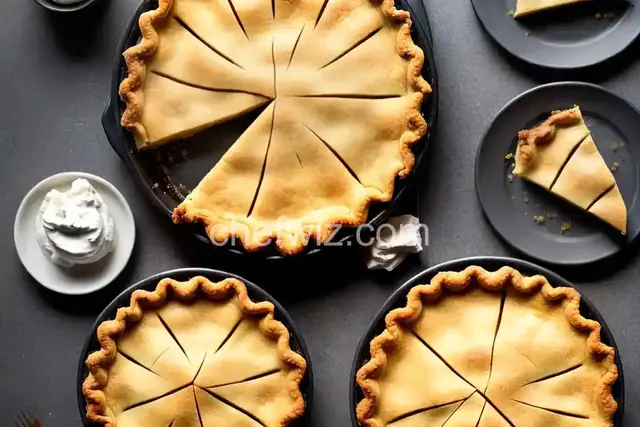 By AprilPublished
 Have you ever tasted a pie with a flaky, golden crust that melts in your mouth?
Combine the specified ingredients (list them) in a food processor and pulse until well mixed.
Add another specified ingredient and pulse again until the mixture has a coarse texture.
Gradually add 6 tablespoons of ice water while pulsing the mixture until it forms moist clumps. If needed, add more water in tablespoon increments, but make sure the dough remains crumbly.
Transfer the dough onto a surface and shape it into a ball. Divide the dough in half and flatten each portion into a disk shape.
Wrap the dough tightly in plastic wrap and refrigerate for a minimum of 2 hours, or up to 12 hours.
If you prefer, you can freeze the dough by double wrapping the disks in plastic wrap. It can be stored in the freezer for up to 1 month. Thaw the dough overnight in the refrigerator before using.
Have you ever tasted a pie with a flaky, golden crust that melts in your mouth? The kind that makes you want to savor every bite? Creating that perfect pie crust may seem daunting, but fear not! With this foolproof guide, you'll learn how to make an easy all-butter pie crust that will elevate your pies to a whole new level. So, grab your rolling pin and let's get started!
Every great pie starts with a great crust, and the secret to a perfect pie crust lies in the butter. Using all-butter in your crust will give it that unparalleled flavor and a tender, flaky texture. The key is to keep the butter cold throughout the process, so it doesn't melt too quickly and lose its magic.
Imagine you're making a sandcastle on a warm, sunny beach. If you use warm, soft sand, your sandcastle won't hold its shape. But if you use cold, packable sand, you can build magnificent towers and turrets. The same principle applies to pie crusts.
By using cold butter, you're creating little pockets of fat in the dough. During baking, these pockets melt, creating steam and giving your crust its flaky layers. So, make sure to keep your butter chilled until you're ready to use it.
Now that you understand the importance of cold butter, let's dive into the easy all-butter pie crust recipe. Remember, practice makes perfect, so don't be discouraged if your first attempt isn't flawless.
Before we begin, let's gather the ingredients you'll need:
Now that you have everything ready, let's start making the crust step-by-step.
Measure out the flour, sugar, and salt into a mixing bowl. Cut the cold butter into small cubes and add them to the bowl. Using your hands or a pastry cutter, gently incorporate the butter into the flour mixture until it resembles coarse crumbs.
Sprinkle cold water, one tablespoon at a time, over the mixture. Use a fork to gently toss the ingredients together after each addition. Stop adding water when the dough starts to come together but is not too sticky.
Gently gather the dough into a ball and transfer it to a lightly floured surface. Divide the dough in half and shape each half into a disk. Wrap each disk tightly in plastic wrap and refrigerate for at least one hour.
Once the dough has chilled, remove one disk from the refrigerator and let it sit at room temperature for a few minutes to soften slightly. On a floured surface, roll out the dough into a circle, rotating it occasionally to ensure an even thickness.
Gently transfer the rolled-out dough to a pie dish, pressing it into the bottom and sides. Trim any excess dough, leaving a small overhang to create a decorative edge.
Place the pie dish with the crust in the refrigerator for at least 15 minutes to firm up. Once chilled, you can fill the crust with your desired pie filling and proceed with baking according to your recipe.
Mastering the art of making a perfect pie crust is within your reach. By utilizing cold butter, following the simple steps outlined in this guide, and practicing a bit of patience, you'll soon be creating pies that will leave everyone asking for seconds. So, roll up your sleeves, embrace the magic of cold butter, and let your pie-making adventures begin!
Yes, you can use salted butter, but remember to adjust the amount of additional salt in the recipe accordingly.
Absolutely! You can prepare the dough in advance and refrigerate it for up to three days or freeze it for longer storage. Just make sure to let it sit at room temperature for a few minutes before rolling it out.
Yes, you can use a food processor to cut the butter into the flour. Just be careful not to overmix the dough, as it can result in a tough crust.
To prevent the crust from shrinking, make sure to chill it before baking and avoid stretching it when transferring it to the pie dish.
Definitely! This all-butter pie crust works well for both sweet and savory pies, so feel free to experiment with different fillings.
To create a decorative edge, you can crimp the crust using your fingers or a fork. Another option is to use decorative pie crust cutters to add a touch of elegance.
Yes, you can freeze the baked pie crust for up to two months. Just make sure to wrap it tightly in plastic wrap and aluminum foil to prevent freezer burn.
Don't let the leftover dough go to waste! You can use it to make sweet or savory hand pies, cinnamon sugar twists, or even mini quiches.
AprilCook, recipe developer and the heart of Chefwiz. More about April