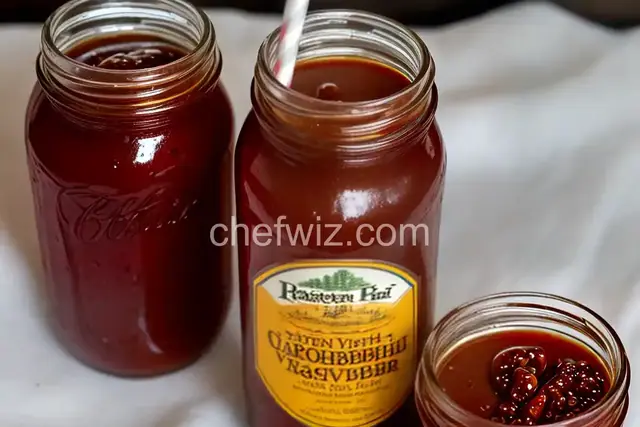
Eastern North Carolina Vinegar-and-Pepper Barbecue Sauce Recipe
Rate this recipeBe the first to rate
 By AprilPublished
 Picture this: a warm summer's day, the sun shining, and the tantalizing aroma of barbecue wafting through the air.
 By AprilPublished
 Picture this: a warm summer's day, the sun shining, and the tantalizing aroma of barbecue wafting through the air.
In a small bowl or squeeze bottle, mix together vinegar, pepper, sugar, salt, hot sauce, red pepper flakes, and ketchup (if preferred).
Stir or shake the mixture until the sugar and salt have dissolved completely.
Taste the mixture and adjust the seasonings according to your preference.
If desired, you can dilute the mixture with a small amount of water.
Use the mixture immediately or store it at room temperature for a maximum of 2 weeks.
Picture this: a warm summer's day, the sun shining, and the tantalizing aroma of barbecue wafting through the air. There's nothing quite like the satisfaction of sinking your teeth into a perfectly cooked piece of meat, slathered with a delicious sauce. If you're a barbecue enthusiast, you know that the sauce is what takes your grilling game to the next level. And when it comes to vinegar-based barbecue sauces, Eastern North Carolina knows how to do it right.
Eastern North Carolina vinegar-and-pepper barbecue sauce is a beloved regional specialty that has stood the test of time. Its roots can be traced back to the early settlers who used vinegar as a natural preservative for their meats. Over the years, this simple preservation method evolved into a mouthwatering sauce that has become a staple at backyard cookouts and BBQ joints across the region.
What sets this sauce apart is its tangy and acidic flavor profile. Unlike the sweet and smoky sauces popular in other parts of the country, Eastern North Carolina sauce delivers a vinegar-forward punch that cuts through the richness of the meat. It's the perfect balance of tangy, spicy, and savory, making it a versatile condiment that complements a wide range of dishes.
Eastern North Carolina vinegar-and-pepper barbecue sauce is a match made in heaven for slow-cooked pork. Whether you're smoking a whole hog or simply grilling up some pork chops, this sauce will take your meat to new heights. The acidic vinegar tenderizes the meat while infusing it with layers of flavor, resulting in a melt-in-your-mouth texture that will leave you craving more.
But don't limit yourself to just pork – this versatile sauce can work wonders with other proteins too. Try it on grilled chicken for a tangy twist, or drizzle it over grilled vegetables to add a burst of flavor. The possibilities are endless, and experimenting with different combinations is part of the fun.
While you can easily find Eastern North Carolina vinegar-and-pepper barbecue sauce in stores, there's something special about making it from scratch. Not only does homemade sauce allow you to control the ingredients and tailor it to your taste, but the process itself can be a rewarding culinary experience.
Creating your own sauce is like crafting a masterpiece. You start with a base of vinegar, add a generous amount of crushed red pepper flakes for heat, and season it with a blend of spices and aromatics. The exact recipe may vary from family to family, with each adding their own unique twist, but the result is always a tangy and flavorful sauce that will elevate your BBQ game.
Eastern North Carolina vinegar-and-pepper barbecue sauce is a testament to the rich culinary heritage of the region. Its tangy and acidic flavor profile, along with its versatility, makes it a must-have condiment for any barbecue enthusiast. So, the next time you fire up the grill, why not take a trip down south and give this iconic sauce a try? Your taste buds will thank you.
Absolutely! While it pairs exceptionally well with pork, Eastern North Carolina vinegar-and-pepper barbecue sauce can be used on chicken, beef, or even grilled vegetables.
When stored in an airtight container in the refrigerator, homemade sauce can last for several weeks, allowing you to enjoy its tangy goodness over multiple meals.
Yes, the traditional Eastern North Carolina vinegar-and-pepper barbecue sauce is gluten-free, as it primarily consists of vinegar, peppers, and spices.
Absolutely! If you prefer a milder sauce, you can reduce the amount of crushed red pepper flakes or omit them altogether. Feel free to experiment and find the perfect level of heat for your taste buds.
While white vinegar is the traditional choice for this sauce, you can certainly use apple cider vinegar for a slightly sweeter and more complex flavor profile.
Yes, you can freeze leftover sauce in an airtight container for future use. Just thaw it in the refrigerator before using and give it a good stir to recombine any separated ingredients.
Absolutely! The acidic nature of the sauce makes it a fantastic marinade for meats. Just be sure to reserve some sauce for serving, as marinated sauce should not be reused.
While Eastern North Carolina vinegar-and-pepper barbecue sauce is not traditionally sweet, you can add a touch of sweetness by incorporating a small amount of honey or brown sugar into the recipe.
AprilCook, recipe developer and the heart of Chefwiz. More about April