Eastern North Carolina Barbecue
Rate this recipeBe the first to rate
 By AprilPublished
 When it comes to barbecue, there are countless regional variations that have their own unique flavors and cooking techniques.
 By AprilPublished
 When it comes to barbecue, there are countless regional variations that have their own unique flavors and cooking techniques.
Prepare your smoker by adding hickory, oak, and maple chunks or chips according to the instructions provided with your smoker. Follow the recommended amount of chips for the meat and the lighting instructions.
Once the chips are ready, place the pork in the smoker and smoke it for 2 to 2 1/2 hours at 250 degrees F.
Take out the pork from the smoker and tightly wrap it in heavy-duty aluminum foil.
Preheat your oven to 225 degrees F.
Cook the wrapped pork in the oven for 6 to 8 hours, or until the meat is tender and easily falls apart when the bone is removed.
Coarsely chop the cooked pork and mix in salt and barbecue sauce according to your taste.
Serve the pork with additional barbecue sauce on the side.
In a medium saucepan, combine vinegar, red pepper, garlic, and salt over high heat.
Bring the mixture to a boil, then reduce the heat to medium-high and continue boiling for 15 to 20 minutes.
Remove the saucepan from the heat and let the mixture cool.
Add black pepper to the cooled mixture.
When it comes to barbecue, there are countless regional variations that have their own unique flavors and cooking techniques. One such variation is Eastern North Carolina Barbecue. If you've never had the pleasure of sinking your teeth into a tender, smoky piece of Eastern NC barbecue, you're in for a treat. In this article, we'll delve into what makes this style of barbecue so special, its history, and why it's a must-try for any barbecue lover.
Eastern NC barbecue is known for its tangy and vinegar-based sauce. Unlike its counterparts from other regions, this style of barbecue doesn't rely heavily on sweet or tomato-based sauces. Instead, it showcases the flavors of tangy vinegar, combined with spices like red pepper flakes and black pepper, to create a sauce that perfectly complements the smoky, slow-cooked meat.
This tangy tradition dates back centuries, with its roots in the farming communities of Eastern North Carolina. Farmers would gather to roast whole hogs over open pits, using simple seasonings and locally made vinegar-based sauces. The result was a flavorful, succulent meat that became a staple at community gatherings, celebrations, and family reunions.
The cooking process for Eastern NC barbecue is as important as the sauce itself. Traditionally, whole hogs are used, and the meat is cooked low and slow over hardwood coals. This slow cooking method allows the meat to become tender and juicy, while the smoky flavors permeate every bite.
After hours of slow cooking, the meat is traditionally pulled or chopped into small, bite-sized pieces. The smoky, tender meat is then mixed with the tangy vinegar-based sauce, ensuring that every morsel is infused with flavor.
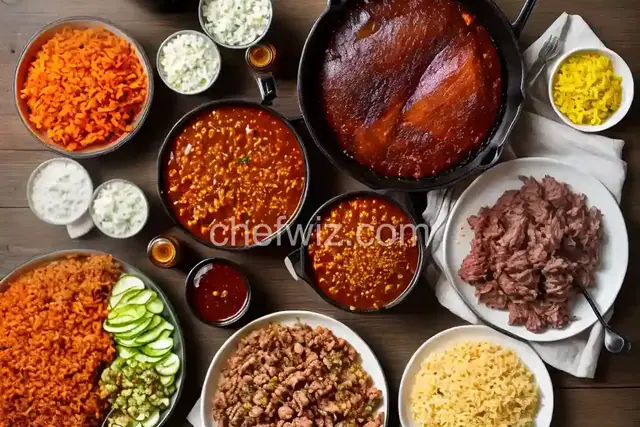
Eastern NC barbecue is often enjoyed with classic Southern sides such as coleslaw, hush puppies, and cornbread. The tangy flavors of the barbecue pair perfectly with the creamy, crunchy coleslaw, while the hush puppies and cornbread provide a satisfying contrast in texture.
Whether you're enjoying Eastern NC barbecue at a roadside shack, a family gathering, or a local barbecue festival, you're sure to experience a true taste of Southern hospitality and tradition.
Eastern North Carolina Barbecue is a true Southern delicacy that showcases the rich flavors and traditions of the region. From its tangy vinegar-based sauce to the slow-cooked, smoky meat, every bite is a burst of flavor and history. Whether you're a barbecue connoisseur or just beginning your barbecue journey, be sure to seek out Eastern NC barbecue and experience the unique taste that has been delighting taste buds for generations.
Unlike other styles that rely on sweet or tomato-based sauces, Eastern NC barbecue features a tangy vinegar-based sauce that perfectly complements the smoky, slow-cooked meat.
Traditionally, whole hogs are used in Eastern NC barbecue. The meat is slow-cooked over hardwood coals until tender and then pulled or chopped into bite-sized pieces.
Classic Southern sides such as coleslaw, hush puppies, and cornbread are often enjoyed with Eastern NC barbecue. The creamy coleslaw, crunchy hush puppies, and savory cornbread provide the perfect balance of flavors and textures.
Eastern NC barbecue can be found at local barbecue joints, roadside shacks, and even at barbecue festivals in Eastern North Carolina. Be sure to keep an eye out for this tangy and delicious style of barbecue.
Absolutely! While it may take some time and effort, making Eastern NC barbecue at home is a rewarding experience. You can find numerous recipes and cooking techniques online to help you recreate this tangy and smoky delicacy.
Eastern NC barbecue does have a bit of a kick to it due to the red pepper flakes and black pepper used in the sauce. However, the level of spiciness can be adjusted according to personal preference.
Yes, the tangy vinegar-based sauce used in Eastern NC barbecue can be used on other meats such as chicken, turkey, or even beef. It adds a delightful tang and flavor to any grilled or roasted meat.
The vinegar-based sauce used in Eastern NC barbecue is typically gluten-free, as it primarily consists of vinegar, spices, and seasonings. However, it's always a good idea to check the ingredients or make your own sauce to ensure it meets your dietary needs.
While the traditional Eastern NC barbecue is made with whole hogs, there are vegetarian and vegan alternatives available. Some barbecue joints offer plant-based options, such as jackfruit or tofu, marinated and cooked in the same tangy vinegar-based sauce.
AprilCook, recipe developer and the heart of Chefwiz. More about April