Easter Simnel Cake
Rate this recipeBe the first to rate
 By AprilPublished
 When it comes to Easter, there are many traditions that people look forward to.
 By AprilPublished
 When it comes to Easter, there are many traditions that people look forward to.
Preheat the oven to 300 degrees F (150 degrees C).
Grease and flour an 8-inch springform pan.
Line the bottom and sides of the pan with greased parchment paper.
In a large bowl, beat together the margarine and brown sugar until light and fluffy.
Add the eggs one at a time, beating well after each addition.
Stir in the flour until well combined.
Fold in the golden raisins, currants, candied cherries, mixed fruit, lemon zest, and mixed spice.
Pour half of the batter into the prepared pan.
Divide the almond paste into three equal portions.
Roll out one-third of the almond paste into an 8-inch circle.
Place the circle of almond paste on top of the cake batter in the pan.
Cover with the remaining cake batter.
Bake in the preheated oven for 2 1/2 hours, or until the cake is evenly browned and firm to the touch.
If the cake is browning too quickly, cover it with foil after one hour of baking.
Let the cake cool in the pan for 10 minutes, then transfer it to a wire rack to cool completely.
Set the oven to broil.
Once the cake has cooled, warm apricot jam and brush it over the top of the cake.
Roll out one
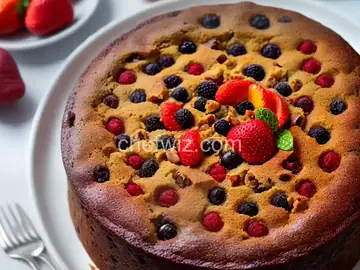
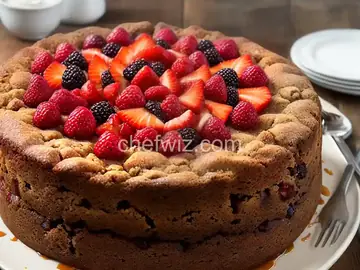
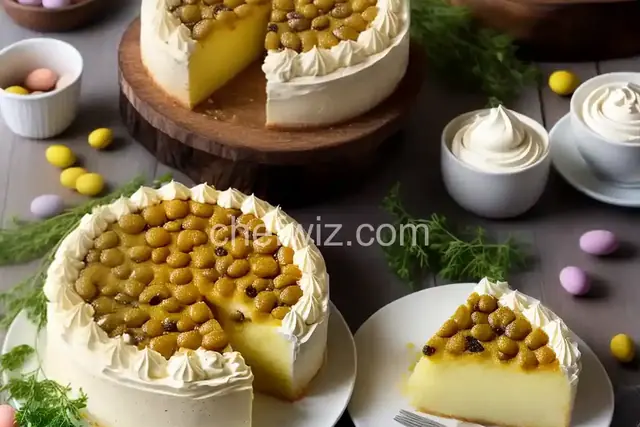
When it comes to Easter, there are many traditions that people look forward to. From egg hunts to decorating eggs, each celebration is unique and special. One tradition that stands out for its deliciousness is the Easter Simnel Cake. This rich fruitcake, adorned with marzipan and toasted almonds, is a delightful treat that has been enjoyed for centuries. In this article, we will explore the history of the Easter Simnel Cake, the significance behind its ingredients, and how you can incorporate this delightful dessert into your own Easter traditions.
The origins of the Easter Simnel Cake can be traced back to medieval times. It was traditionally made by servant girls and given to their mothers on Mothering Sunday, which falls on the fourth Sunday of Lent. The word "simnel" is believed to derive from the Latin word "simila," meaning fine wheat flour. This cake was a symbol of love and appreciation, as well as a break from the fasting and restrictions of Lent.
The Easter Simnel Cake is not just any ordinary fruitcake. It is made with a range of ingredients that hold special symbolism and significance. The rich fruitcake base represents the richness of life, while the marzipan that covers it symbolizes the purity and innocence of Jesus. The 11 marzipan balls that are traditionally placed on top of the cake represent the 12 apostles, excluding Judas Iscariot.
What sets the Easter Simnel Cake apart is the addition of almond paste or marzipan both in the middle and on top of the cake. This gives it a unique and delightful taste that is hard to resist. The marzipan is often lightly toasted, adding an extra layer of flavor and texture to the cake.
Adding the Easter Simnel Cake to your Easter celebrations can be a wonderful way to honor tradition and indulge in a delicious treat. Whether you decide to bake it yourself or purchase it from a local bakery, the cake is sure to be a hit among your family and friends.
As you gather around the table to enjoy this delightful dessert, take a moment to appreciate the history and symbolism behind the Easter Simnel Cake. Share stories and create new memories as you savor each bite. It's not just a cake - it's a symbol of love, appreciation, and the joy of Easter.
The Easter Simnel Cake originated in medieval times and was traditionally made by servant girls for their mothers on Mothering Sunday.
The marzipan represents the purity and innocence of Jesus.
The 11 marzipan balls represent the 12 apostles, excluding Judas Iscariot.
Absolutely! There are many recipes available online that can guide you through the process of making your own Easter Simnel Cake.
Yes, many bakeries offer Easter Simnel Cakes during the Easter season. Check with your local bakery to see if they have it available.
The Easter Simnel Cake can be stored in an airtight container at room temperature for up to a week. You can also refrigerate it to extend its shelf life.
Absolutely! While the traditional recipe calls for fruitcake and marzipan, you can experiment with different flavors and ingredients to make it your own.
While the Easter Simnel Cake is traditionally associated with Easter, there's no rule saying you can't enjoy it throughout the year. It's a delicious treat that can be enjoyed on any occasion.
In conclusion, the Easter Simnel Cake is more than just a cake - it's a symbol of tradition, love, and the joy of Easter. Whether you decide to bake it yourself or purchase it from a bakery, this delightful dessert is sure to be a hit among your loved ones. So, go ahead and indulge in a slice of this delicious tradition!
AprilCook, recipe developer and the heart of Chefwiz. More about April