Dry Aged Rib-Eyes
Rate this recipeBe the first to rate
 By AprilPublished
 When it comes to indulging in a mouthwatering steak, nothing quite compares to the tenderness and rich flavor of dry-aged rib-eyes.
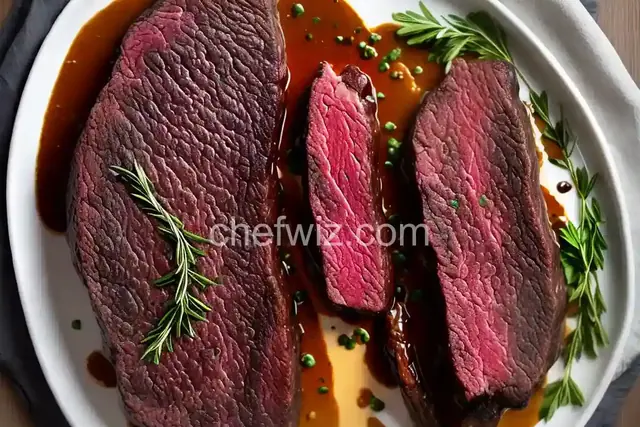 By AprilPublished
 When it comes to indulging in a mouthwatering steak, nothing quite compares to the tenderness and rich flavor of dry-aged rib-eyes.
Create enough space in the back of your refrigerator for 7 to 10 days, maintaining a steady temperature of 38 degrees F.
Take the roast out of its packaging and rinse it thoroughly. Dry it completely by patting it with a cloth. Wrap the roast with three layers of cheesecloth and place it on a rack inside a sheet pan, with the fat side facing up. Put it back in the refrigerator's back section.
After 24 hours, remove the roast, unwrap it, discard the old cheesecloth, and wrap it again with a fresh piece. Place it back in the refrigerator for 6 to 9 days without disturbing it. Prior to dry aging, ensure that your refrigerator is maintaining the correct temperature. Ideally, use a refrigerator that is not frequently opened and keep the roast in the bottom or back of it.
Take the roast out of the refrigerator. Remove the cheesecloth and trim off the fat, ends, and any discolored parts of the roast.
Preheat the grill to medium-high heat.
Cut the roast into 6 steaks, each about 1 1/2 inches thick. Season them with salt and freshly cracked pepper.
Place the steaks on the grill and cook them for 4 minutes on the first side. Then, flip them and cook for an additional 3 minutes. Transfer the steaks to a serving platter and let them rest for
When it comes to indulging in a mouthwatering steak, nothing quite compares to the tenderness and rich flavor of dry-aged rib-eyes. These succulent cuts of beef are a true delight for any meat lover, but have you ever wondered what sets them apart from your average steak? In this article, we will delve into the world of dry-aging and uncover the secrets behind these delectable cuts.
Dry aging is a process that involves letting a cut of beef, such as a rib-eye, age for an extended period of time in a controlled environment. During this time, the meat is exposed to specific temperature, humidity, and air circulation conditions that allow it to naturally tenderize and develop a more intense flavor.
Think of it like aging a fine wine or cheese. Just as time enhances the flavors and textures in these delicacies, dry aging works its magic on rib-eyes, resulting in a steak that is incredibly tender and bursting with flavor.
During the dry-aging process, enzymes naturally present in the meat break down the muscle fibers and connective tissues, resulting in a more tender texture. Additionally, the exposure to air helps evaporate moisture from the meat, intensifying its flavor.
Imagine your favorite steak as a work of art. Dry aging is like adding layers of complexity to that masterpiece. Each day that the meat ages, it becomes more refined, with its flavors deepening and evolving, just like a painting that becomes more captivating with every brushstroke.
Just like a symphony that requires time to reach its crescendo, dry-aged rib-eyes need time for the flavors to harmonize and reach their full potential. The duration of the aging process can vary, but it typically ranges from 14 to 60 days.
During this period, the meat undergoes subtle transformations that result in a steak that is incredibly tender, with a melt-in-your-mouth texture. The longer the aging process, the more pronounced the flavor becomes, with hints of nuttiness and a deep umami taste that is unparalleled.
Dry aging is a delicate art that requires precision and expertise. Butchers and chefs carefully monitor the temperature, humidity, and air circulation to create the perfect conditions for the meat to age. This meticulous attention to detail ensures that every rib-eye that reaches your plate is a masterpiece.
Just as a sculptor carves away at a block of marble to reveal a beautiful statue, dry aging is a process of removing excess moisture from the meat, allowing its true flavors to shine. The result is a steak that is rich, tender, and full of character.
When you sink your teeth into a dry-aged rib-eye, you're not just enjoying a steak - you're embarking on a flavor journey. The tender texture, combined with the deep, complex flavors, creates a sensory experience like no other.
It's like savoring a perfectly crafted symphony, where each note dances on your palate, creating a symphony of flavors that leave you craving more. From the first bite to the last, every morsel is a testament to the artistry and skill that goes into dry aging.
Dry-aged rib-eyes are a culinary treasure that takes steak to new heights. Through the artful process of dry aging, these cuts of beef become tender, flavorful masterpieces that leave a lasting impression on your taste buds.
So, the next
The ideal duration for dry aging a rib-eye can vary depending on personal preference. Some people enjoy the flavors that develop after 14 days, while others prefer a longer aging period of 30 to 45 days for a more intense taste.
Dry aging requires precise temperature and humidity control, making it challenging to achieve at home. It's best to leave this delicate process to professional butchers or experienced chefs who have the necessary equipment and expertise.
Due to the time and effort involved in the dry-aging process, dry-aged rib-eyes are generally more expensive compared to regular steaks. However, the incredible flavor and tenderness make them well worth the investment for a special occasion or a memorable dining experience.
Absolutely! Dry-aged rib-eyes can be cooked just like any other steak. Whether you prefer grilling, pan-searing, or broiling, the cooking method remains the same. Just remember to let the steak rest for a few minutes after cooking to allow the juices to redistribute.
It's best to leave the trimming to the professionals. Butchers who specialize in dry aging will trim any excess dry outer layers before selling the steak, ensuring that you get the most flavorful and tender meat.
Dry-aged rib-eyes have such intense flavor that they require minimal seasoning. A simple sprinkle of salt and pepper is often enough to enhance the natural flavors of the steak. However, feel free to experiment with your favorite herbs and spices to personalize your seasoning.
Yes, you can freeze a dry-aged rib-eye. Freezing can help preserve the steak's quality for a longer period. However, keep in mind that freezing may slightly alter the texture, so it's best to consume the steak as soon as possible after thawing.
If dry-aged rib-eyes are not readily available or within your budget, there are other cuts of steak that offer excellent flavor and tenderness. Consider trying a well-marbled ribeye, a juicy T-bone, or a flavorful New York strip steak for a delicious alternative.
AprilCook, recipe developer and the heart of Chefwiz. More about April