Dry Aged Prime Rib Roast
Rate this recipeBe the first to rate
 By AprilPublished
 When it comes to indulging in a truly exceptional dining experience, few cuts of meat can rival the mouthwatering perfection of a dry aged prime rib roast.
 By AprilPublished
 When it comes to indulging in a truly exceptional dining experience, few cuts of meat can rival the mouthwatering perfection of a dry aged prime rib roast.
Take the roast out of the packaging and rinse it well.
Pat the roast completely dry and wrap it with three layers of cheesecloth.
Place the wrapped roast on a rack on a sheet pan, with the fat side facing up, in the back of the refrigerator.
After 24 hours, remove the roast, unwrap it, discard the cheesecloth, and wrap it with a fresh piece.
Place the roast back in the refrigerator for 6 to 9 days without disturbing it.
Remove the roast from the refrigerator. Remove the cheesecloth and trim away the fat, ends, and any discolored parts of the roast.
Preheat the oven to 500 degrees F.
Place the roast on a rack in a large, heavy roasting pan.
For the seasoning mixture:
In a medium bowl, combine the spices and mix well. Make sure to crush the larger spices for a uniform rub.
Rub the roast with olive oil, then rub it with the seasoning mixture.
Let the roast rest for 20 to 30 minutes.
To prepare the vegetables and roast:
Prepare the vegetables and create a bed for the roast in the roasting pan.
Pour water into the roasting pan, and occasionally check the liquid level and add more water if needed (this will be used to make the au jus).
Place the seasoned roast
When it comes to indulging in a truly exceptional dining experience, few cuts of meat can rival the mouthwatering perfection of a dry aged prime rib roast. This culinary masterpiece is the epitome of tenderness, juiciness, and flavor. But what exactly is dry aging, and why does it have such a transformative effect on this prime cut of beef?
Dry aging is a time-honored process that involves exposing large cuts of beef to a controlled environment for an extended period. During this time, the meat undergoes a natural enzymatic breakdown, resulting in enhanced tenderness and intensified flavors. Think of it as a slow and steady maturation process that transforms an already delicious cut of meat into a culinary marvel.
But what sets dry aged prime rib roast apart from its wet-aged counterpart? Well, the key lies in moisture loss. As the meat ages, it gradually loses moisture, concentrating its flavors and allowing for greater tenderness. This loss of moisture also helps to create an exquisite crust when the roast is cooked, adding a delightful textural element to each bite.
Dry aging prime rib roast is an art that requires precision, patience, and expertise. The process begins with selecting the finest cuts of beef, preferably from prime or high-quality grades. These cuts are then carefully placed in a temperature-controlled environment, usually a refrigerated room, where they can age undisturbed for several weeks.
During this aging period, the meat is exposed to a constant flow of air, which helps to promote the natural enzymatic breakdown. The temperature and humidity levels are closely monitored to ensure optimal conditions for dry aging. It's a delicate dance between time, temperature, and atmospheric conditions, all in pursuit of that perfect balance that yields exceptional results.
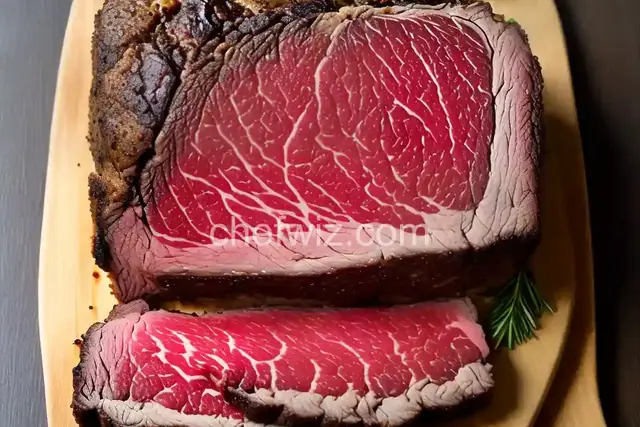
Once the dry aging process is complete, it's time to unleash the flavor bomb that lies within the prime rib roast. The aged meat is carefully trimmed to remove any unwanted outer layers, revealing the beautifully marbled interior. This gorgeous marbling is a testament to the high-quality beef used and is a visual indicator of the rich flavors that await.
Now comes the moment of truth – cooking the dry aged prime rib roast. Whether you opt for slow roasting, searing, or grilling, the goal is to showcase the melt-in-your-mouth tenderness and the robust flavors that have been patiently developing throughout the aging process. Each slice is a revelation, with an unparalleled depth of flavor that will leave your taste buds in awe.
Dry aged prime rib roast is a testament to the wonders of time and patience. The process of dry aging elevates an already exceptional cut of beef to new heights, resulting in a flavor explosion that is sure to impress even the most discerning palates. So, the next time you're looking to indulge in a truly extraordinary dining experience, consider treating yourself to the succulent perfection of a dry aged prime rib roast. Your taste buds will thank you.
The duration of the dry aging process can vary depending on personal preference and the desired flavor profile. Typically, prime rib roasts are aged for 21 to 35 days to achieve optimal tenderness and flavor.
While it is possible to dry age a prime rib roast at home, it requires a specialized setup and careful monitoring of temperature and humidity levels. It is recommended to consult with a professional butcher or meat supplier for guidance.
Yes, there is a notable difference between dry aged and wet aged prime rib roast. Dry aging results in a more concentrated flavor, enhanced tenderness, and a unique crust when cooked. Wet aging, on the other hand, focuses on preserving moisture and tends to result in a milder flavor profile.
Seasoning a dry aged prime rib roast is a matter of personal preference. However, it is generally recommended to keep the seasoning simple to let the natural flavors of the aged meat shine through. A generous sprinkle of salt, pepper, and perhaps some herbs or garlic will do wonders.
Absolutely! The beauty of a dry aged prime rib roast lies in its versatility. Whether you prefer a perfectly pink medium-rare center or a well-done roast, you can achieve your desired level of doneness by adjusting the cooking time and temperature accordingly.
Yes, dry aging significantly improves the texture of the meat. The enzymatic breakdown that occurs during the aging process helps to tenderize the meat, resulting in a buttery, melt-in-your-mouth texture that is unrivaled.
Dry aged prime rib roast is safe to consume when handled and cooked properly. However, it is always advisable to purchase meat from reputable sources and follow proper food safety practices to minimize any potential risks.
Yes, you can freeze a dry aged prime rib roast. Freezing can help preserve the flavors and quality of the meat for an extended period. It is recommended to wrap the roast tightly in freezer-safe packaging to prevent freezer burn and maintain freshness.
Dry aged prime rib roast is often available at high-end butcher shops, specialty meat markets, or online meat suppliers. It's worth seeking out these sources to experience the unparalleled taste and texture of this culinary masterpiece.
AprilCook, recipe developer and the heart of Chefwiz. More about April