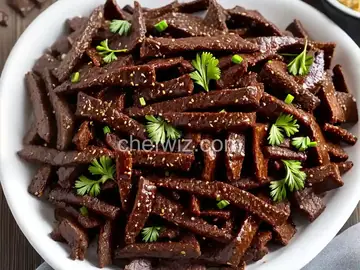
Dried Beef Ball
Rate this recipeBe the first to rate
 By AprilPublished
 Have you ever tried a dried beef ball? If not, you're missing out on a unique and flavorful snack that is perfect for any occasion.
 By AprilPublished
 Have you ever tried a dried beef ball? If not, you're missing out on a unique and flavorful snack that is perfect for any occasion.
Set aside approximately half a cup of diced dried beef.
In a different medium-sized bowl, mix together the rest of the beef, cream cheese, green onions, Worcestershire sauce, and seasoned salt until well combined.
Shape the mixture into a ball.
Roll the ball in the reserved diced beef, ensuring that the entire surface of the ball is coated.
Have you ever tried a dried beef ball? If not, you're missing out on a unique and flavorful snack that is perfect for any occasion. In this article, we will explore the world of dried beef balls, their origins, and how they can be enjoyed in various ways.
Imagine a juicy and tender ball of beef, seasoned with a blend of herbs and spices, and then dried to perfection. Dried beef balls are exactly that - bite-sized, savory treats that pack a punch of flavor. They are a popular snack in many cultures and are often enjoyed as a quick and convenient protein-rich option.
Dried beef balls have a long history and can be traced back to ancient times. They were originally created as a way to preserve meat, allowing people to have a source of food during long journeys or harsh winters. Over time, different regions developed their own unique recipes and flavor profiles, resulting in a variety of dried beef ball options available today.
There are countless ways to enjoy dried beef balls. They can be eaten on their own as a snack, added to salads for an extra protein boost, or even used as a topping for pizzas and sandwiches. The possibilities are endless! Their compact size and long shelf life make them a convenient option for busy individuals who are always on the go.
Aside from their delicious taste, dried beef balls offer several health benefits. They are a great source of protein, which is essential for muscle growth and repair. They also contain important vitamins and minerals, such as iron, zinc, and vitamin B12. Plus, since they are dried, they have a longer shelf life compared to fresh meat, making them a practical option for stocking up.
If you're intrigued by dried beef balls and want to give them a try, you may be wondering where to buy them. Luckily, you can find them in various specialty stores, online retailers, or even at your local grocery store. Just make sure to read the labels and choose a reputable brand to ensure the best quality and flavor.
Dried beef balls are a versatile and tasty snack that can be enjoyed in many ways. Whether you're looking for a protein-packed snack, a flavorful addition to your meals, or simply a unique culinary experience, dried beef balls are worth a try. So go ahead, grab a pack, and savor the deliciousness!
Yes, most dried beef balls are gluten-free as they are made with minimal ingredients. However, it is always recommended to check the label for any potential allergens.
Absolutely! Making dried beef balls at home is a fun and rewarding process. You can experiment with different seasonings and flavors to create your own unique recipe.
Dried beef balls have a long shelf life and can last for several months if stored properly in a cool and dry place.
Yes, you can freeze dried beef balls to extend their shelf life even further. Just make sure to store them in an airtight container or freezer bag.
It depends on the recipe and the brand. Some dried beef balls may have a spicy kick, while others may have a milder flavor. Check the packaging or product description for information on spiciness levels.
Absolutely! Dried beef balls can add a burst of flavor to soups and stews. Just make sure to rehydrate them before adding them to your dish.
No, dried beef balls are made from meat and are not suitable for vegetarians. However, there are vegetarian alternatives available that mimic the texture and flavor of dried beef balls.
Dried beef balls may not be suitable for individuals with certain dietary restrictions, such as those following a kosher or halal diet. It is important to check the ingredients and certifications before consuming them.
AprilCook, recipe developer and the heart of Chefwiz. More about April