Dolsot Bibimbap
Rate this recipeBe the first to rate
 By AprilPublished
 Have you ever wanted to experience the vibrant flavors of Korean cuisine?
 By AprilPublished
 Have you ever wanted to experience the vibrant flavors of Korean cuisine?
The meat: In a medium bowl, mix together the soy sauce, doenjang, two of the scallions, 1 tablespoon of the garlic, 1 tablespoon of the ginger, and the brown sugar. Take 1/2 cup of this mixture and put it in a large zip-top bag. Add the short ribs to the bag, seal it, and massage the bag to coat the meat. Put the bag in the fridge for at least 4 hours or overnight.
The mushrooms: Put the remaining soy sauce mixture, 1/2 cup of water, and the dried mushrooms in a small saucepan. Heat it over medium heat until it simmers, then reduce the heat to low and let it simmer for 20 to 25 minutes until the mushrooms are tender. Strain the mixture, pressing on the mushrooms to remove the liquid. Keep both the mushrooms and the liquid. If desired, chop or slice the mushrooms and set them aside. Rinse out the saucepan.
The sauce: Combine the gochujang, 2 teaspoons of rice vinegar, and 2 tablespoons of the mushroom cooking liquid in a small bowl. Stir well and add more rice vinegar to taste. Set aside for serving.
The flavor base: In a small bowl, mix together the remaining garlic, ginger, and scallions. Take 1 scant tablespoon of this mixture and put it in the clean saucepan. Set aside the rest for later.
The pickles: Add 1/
Have you ever wanted to experience the vibrant flavors of Korean cuisine? Look no further than Dolsot Bibimbap, a delightful dish that combines various ingredients to create a harmonious explosion of taste in every bite. In this article, we will explore the origins of Dolsot Bibimbap, its unique cooking method, and the diverse ingredients that make it such a beloved dish. Get ready to embark on a culinary journey like no other!
Before we delve into the mouthwatering details of Dolsot Bibimbap, let's take a moment to appreciate its rich history. The name "Bibimbap" translates to "mixed rice," and it has been a staple in Korean cuisine for centuries. The dish was traditionally enjoyed on special occasions and was considered a symbol of abundance and prosperity.
Legend has it that Dolsot Bibimbap originated from the royal courts, where chefs would artfully arrange various ingredients on a bed of rice. The dish was then cooked in a hot stone pot, known as a "dolsot," which added a unique crispy texture to the rice. Over time, Dolsot Bibimbap made its way from the palaces to the homes of everyday Koreans, becoming a beloved comfort food enjoyed by all.
One of the defining characteristics of Dolsot Bibimbap is the way it is cooked. The hot stone pot not only adds a delightful crunch to the rice but also keeps the dish warm throughout the meal. The heat from the pot creates a sizzling effect, allowing the flavors of the ingredients to meld together beautifully.
Preparing Dolsot Bibimbap is akin to creating a masterpiece. Each ingredient is carefully chosen and prepared to bring out its distinct taste and texture. From the vibrant colors of sautéed vegetables to the savory marinated meat, every element plays a crucial role in creating a harmonious culinary symphony.
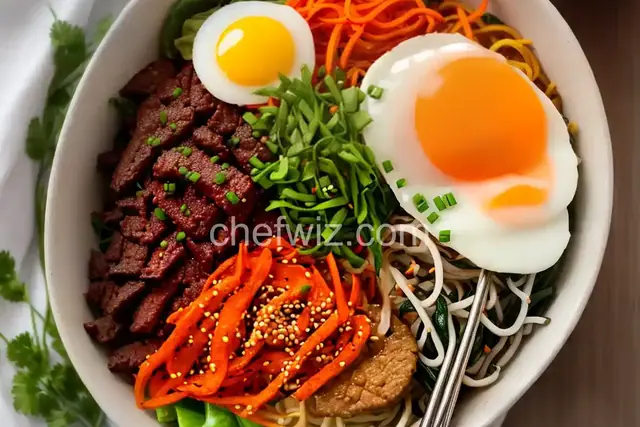
Dolsot Bibimbap is truly a celebration of flavors. The dish typically consists of a bed of steamed rice topped with an assortment of vegetables, such as spinach, carrots, and bean sprouts. To add a burst of protein, it is often accompanied by thinly sliced beef, marinated in a delectable sauce.
One of the key components of Dolsot Bibimbap is the gochujang sauce, a spicy fermented chili paste that adds a fiery kick to the dish. The sauce is mixed in with the ingredients, resulting in a delightful blend of sweet, savory, and spicy flavors. The final touch is a perfectly fried egg, placed on top like a shining crown.
Dolsot Bibimbap is more than just a dish; it is a sensory experience that tantalizes your taste buds and transports you to the vibrant streets of Korea. From the sizzle of the hot stone pot to the harmonious blend of flavors, every bite tells a story of tradition, passion, and culinary mastery. So why wait? Indulge in the wonders of Dolsot Bibimbap and embark on a culinary adventure that will leave you craving for more!
Yes, Dolsot Bibimbap can be spicy due to the gochujang sauce. However, you can adjust the spiciness according to your preference.
Absolutely! Dolsot Bibimbap can be customized to suit various dietary preferences. Simply omit the meat and add more vegetables or tofu for a delicious vegetarian option.
The use of a hot stone pot, or dolsot, sets Dolsot Bibimbap apart. It not only adds a crispy texture to the rice but also keeps the dish warm throughout the meal.
Absolutely! Dolsot Bibimbap is highly customizable. Feel free to experiment with different vegetables to suit your taste preferences.
Yes, Dolsot Bibimbap can be made gluten-free by using gluten-free soy sauce and ensuring that all the ingredients are gluten-free.
Certainly! Dolsot Bibimbap can be made with various types of meat or even seafood. Choose your protein of choice and enjoy the flavors.
To cook Dolsot Bibimbap at home, you will need a dolsot or a heat-resistant stone pot. The dish is then assembled with cooked rice and various toppings, and cooked on the stovetop or in the oven.
While the stone pot adds a unique touch to the dish, you can still enjoy the flavors of Dolsot Bibimbap by using a regular bowl or a skillet. The stone pot simply enhances the overall experience.
AprilCook, recipe developer and the heart of Chefwiz. More about April