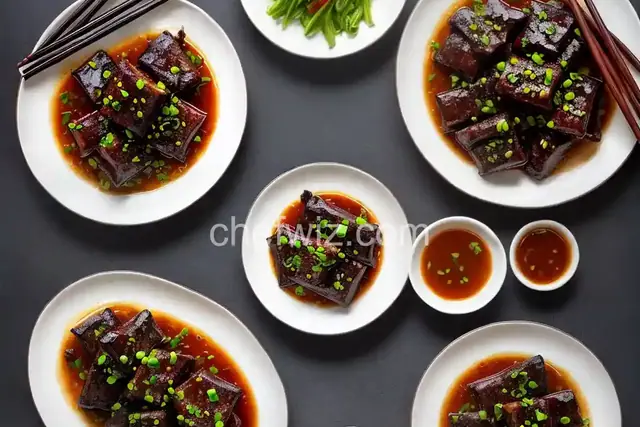
Welcome to the world of dim sum! If you're a fan of Chinese cuisine, then you're probably familiar with these bite-sized delicacies. One popular dim sum dish that you must try is the steamed pork ribs with fermented black beans. The tender and flavorful pork ribs, combined with the unique taste of fermented black beans, create a mouthwatering experience that will leave you craving for more.
The Magic of Dim Sum
Dim sum is like a treasure trove of flavors. It's an assortment of small, delicious dishes that are meant to be shared with family and friends. Similar to tapas, dim sum offers a variety of tastes and textures, allowing you to explore the world of Chinese cuisine in one sitting. From dumplings to buns, each dish has its own unique combination of ingredients and cooking methods.
The Star of the Show: Steamed Pork Ribs
Among the many dim sum dishes, the steamed pork ribs stand out for their succulent taste and tender texture. These bite-sized pieces of heaven are made from pork ribs that are marinated in a flavorful sauce before being steamed to perfection. The result is juicy, fall-off-the-bone ribs that are bursting with flavor.
The Secret Ingredient: Fermented Black Beans
What sets dim sum–style steamed pork ribs apart is the addition of fermented black beans. These small, black beans have a strong, pungent aroma and a unique salty taste. When combined with the pork ribs, they create a delightful contrast of flavors. The fermented black beans not only add depth to the dish but also help to tenderize the meat, making it incredibly tender and flavorful.
How to Make Dim Sum–Style Steamed Pork Ribs
Now that you know the magic behind this delicious dish, let's dive into how you can make it at home. The process may seem daunting at first, but with a little practice, you'll be able to recreate the authentic flavors of dim sum in your own kitchen.
1Step 1Marinate the Pork Ribs
The first step is to marinate the pork ribs. This is where all the magic happens. You'll need a combination of soy sauce, oyster sauce, sesame oil, and a touch of sugar to create a flavorful marinade. Allow the ribs to soak in the marinade for at least 30 minutes to allow the flavors to penetrate the meat.
Step 2: Prepare the Fermented Black Bean Sauce
While the pork ribs are marinating, it's time to prepare the fermented black bean sauce. In a separate bowl, combine the fermented black beans, garlic, ginger, and a dash of soy sauce. Mash the beans slightly to release their flavors and create a paste-like consistency.
Step 3: Steam the Pork Ribs
Once the pork ribs have marinated and the black bean sauce is ready, it's time to steam the ribs. Place the marinated ribs in a steamer basket and spread them out evenly. Spoon the black bean sauce over the ribs, making sure to coat them thoroughly. Steam the ribs for about 20-25 minutes or until they are tender and cooked through.
Enjoying Your Dim Sum–Style Steamed Pork Ribs
Now that your dim sum–style steamed pork ribs are ready, it's time to enjoy them. Serve the ribs hot, garnished with some chopped green onions and a sprinkle of sesame seeds. The tender meat, combined with the savory black bean sauce, will take your taste buds on a flavorful journey.
Whether you're hosting a dim sum party or simply want to indulge in a delicious homemade dish, these steamed pork ribs with fermented black beans will not disappoint. They are a true representation of the magic and flavors of dim sum. So go ahead, give this recipe a try, and experience the joy of dim sum in the comfort of your own home.
Frequently asked questions
- Q1: Can I use a different type of meat instead of pork ribs?
A1: While pork ribs are the traditional choice for this dish, you can certainly experiment with other meats. Chicken or beef ribs can be used as alternatives, but keep in mind that the cooking time may vary.
- Q2: Can I substitute fermented black beans with something else?
A2: Fermented black beans have a unique flavor that is hard to replicate. However, if you can't find them, you can try using black bean sauce or black bean paste as a substitute. The taste may be slightly different, but it will still add a delicious umami flavor to the dish.
- Q3: Can I make this dish vegetarian or vegan?
A3: Yes, you can! Instead of pork ribs, you can use tofu or seitan as a meat substitute. You can also replace the oyster sauce with vegetarian oyster sauce or soy sauce for a vegan-friendly version.
- Q4: Can I freeze the leftovers?
A4: Absolutely! If you have any leftovers, you can store them in an airtight container and freeze them for future enjoyment. Just make sure to reheat the ribs thoroughly before serving.
- Q5: Can I add vegetables to this dish?
A5: Of course! Feel free to add your favorite vegetables to the steamer basket along with the pork ribs. Bok choy, broccoli, or snap peas would make great additions to this dish.
- Q6: Can I make a larger batch of this recipe?
A6: Absolutely! This recipe can easily be doubled or tripled to feed a larger crowd. Just make sure to adjust the cooking time accordingly and use a larger steamer basket.
- Q7: Can I use a pressure cooker instead of a steamer?
A7: While a pressure cooker can be used to cook pork ribs, it may not give you the same tender and fall-off-the-bone texture as steaming. Steaming is the traditional method for this dish and is recommended for the best results.
- Q8: Can I serve this dish with a dipping sauce?
A8: Absolutely! A simple
 By AprilPublished