Delicious Kazunoko (Herring Roe) for Osechi
Rate this recipeBe the first to rate
 By AprilPublished
 Are you ready to add a touch of elegance to your Osechi feast?
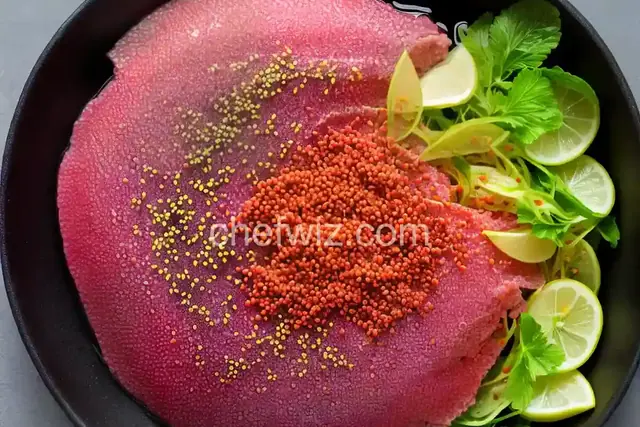 By AprilPublished
 Are you ready to add a touch of elegance to your Osechi feast?
Soak the kazunoko in water to remove excess salt, changing the water three times over 12 hours.
Remove the white membranes from the kazunoko after removing the excess salt.
Bring the A ingredients to a boil.
Add a generous handful of bonito flakes and let it simmer for 2 minutes.
Turn off the heat and allow the mixture to cool.
Once cooled, remove the bonito flakes from the mixture.
Blot the kazunoko dry.
Marinate the kazunoko in the sauce for at least 12 hours for the best taste.
Are you ready to add a touch of elegance to your Osechi feast? Look no further than the delightful Kazunoko, also known as Herring Roe. This delectable delicacy is a staple in Japanese New Year celebrations and is sure to impress your guests with its unique texture and rich umami flavor. Join us as we explore the wonders of Kazunoko and learn how to incorporate it into your Osechi spread.
Kazunoko is the roe of the herring fish, carefully prepared and marinated to create a delightful bite-sized treat. In Japanese, "kazu" means abundance, and "noko" means child. The name itself symbolizes prosperity and a wish for a fruitful year ahead.
Osechi is a traditional Japanese New Year's meal that is packed with symbolic dishes representing good luck and prosperity. Kazunoko is a key component of Osechi because it embodies these wishes. Its golden color and small, round shape resemble tiny jewels, signifying wealth and abundance.
Preparing Kazunoko is a time-consuming process that requires skill and patience. The herring roe is carefully cleaned and soaked in a brine solution to remove any impurities. It is then marinated in a mixture of soy sauce, mirin, and sugar, which infuses it with a delicate balance of sweetness and saltiness. The marinating process can take several days, allowing the flavors to fully develop.
Kazunoko can be enjoyed in various ways, depending on your preference. Many people savor it as it is, allowing the natural flavors to shine through. Its unique texture, similar to a firm jelly, gives it a satisfying bite. Some prefer to pair it with a bowl of steamed rice, while others enjoy it with a touch of wasabi or soy sauce for an added kick. However you choose to enjoy it, Kazunoko is sure to tantalize your taste buds.
Kazunoko is most commonly found in Japanese grocery stores, especially during the New Year season. It is typically sold in small packages, making it easy to incorporate into your Osechi feast. Alternatively, you may also find it online from specialized retailers who offer a wide range of Japanese delicacies.
Proper storage is essential to maintain the freshness and quality of Kazunoko. It is best to keep it refrigerated at all times, ensuring it is tightly sealed to prevent any moisture or odors from affecting its flavor. When stored correctly, Kazunoko can last for several weeks, allowing you to enjoy it even after the New Year celebrations have ended.
Absolutely! Kazunoko is not only a feast for the taste buds but also a nutritional powerhouse. It is packed with essential nutrients such as omega-3 fatty acids, vitamins, and minerals. These nutrients contribute to heart health, brain function, and overall well-being. So, indulge in this delicious delicacy and reap the benefits of its nutritional goodness.
Kazunoko is a seafood delicacy and may not be suitable for individuals with seafood allergies or dietary restrictions. It is always important to check with your guests before serving Kazunoko to ensure everyone can enjoy the Osechi feast without any concerns. If you are unsure, it's best to offer a variety of dishes to cater to different dietary needs.
Bring a touch of elegance and prosperity to your Osechi feast with Kazunoko. Its unique texture and rich umami flavor will leave a lasting impression on your guests. Whether enjoyed as is or paired with other traditional dishes, Kazunoko is a delightful addition to any New Year celebration. So, go ahead, embrace the abundance, and savor the delights of Kazunoko!
The preparation process for Kazunoko can take several days, including cleaning, soaking, and marinating.
It is not recommended to freeze Kazunoko as it may affect the texture and quality of the roe.
Yes, there are vegetarian alternatives available, such as konjac-based products that mimic the texture and appearance of fish roe.
While it is possible to make Kazunoko at home, it requires special skills and equipment. It is often easier to purchase it from a trusted source.
Yes, Kazunoko can be used as a topping or garnish for various dishes, such as sushi, salads, or appetizers.
No, Kazunoko has a delicate and mild flavor that is not overpoweringly fishy.
Absolutely! Kazunoko can be enjoyed on its own as a delightful appetizer or snack.
Kazunoko is often considered a symbol of fertility and is believed to bring good luck and prosperity for the year ahead.
AprilCook, recipe developer and the heart of Chefwiz. More about April